

Industry News
 21 2026-07
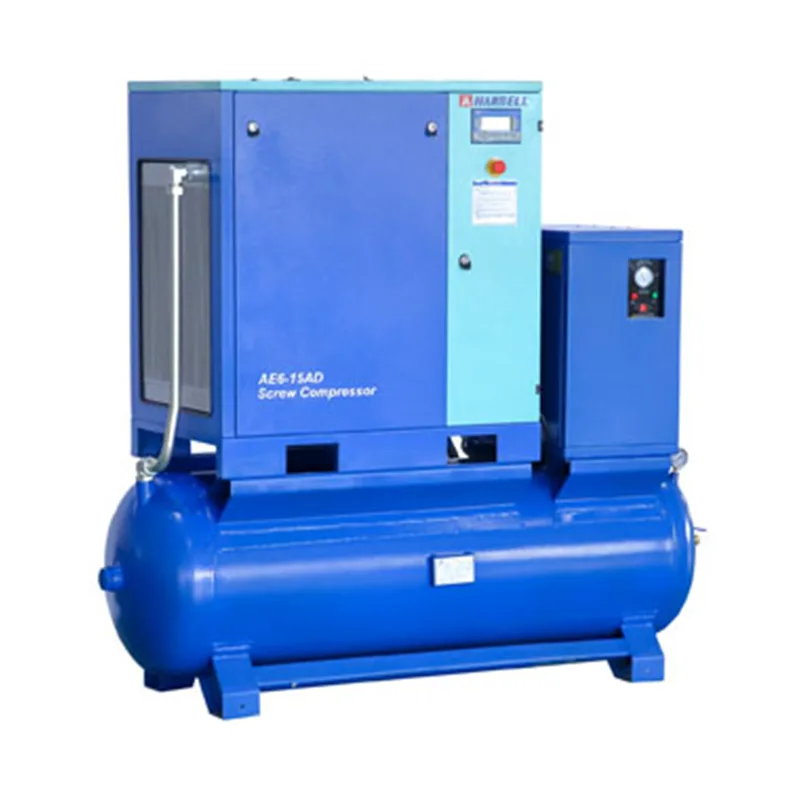
 Integrated Variable Frequency Screw Air Compressor: Transforming Compressed Air from a Cost Center into a Profit Driver
If your facility is still operating traditional fixed-speed compressors, your monthly electricity bills may already be signaling a quiet warning. Under the dual pressures of energy conservation and cost reduction, the integrated variable frequency screw air compressor—featuring permanent magnet synchronous motor technology—is rapidly gaining traction across global manufacturing sectors, steadily replacing conventional air compressor stations.
 14 2026-07
 The Real Cost-Saving Math: How Two-Stage Permanent Magnet Variable Frequency Screw Air Compressors Cut Your Electricity Bill
In today's manufacturing landscape, where profit margins are razor-thin, the compressed air system is often the most overlooked "electricity bill black hole" on the factory floor. Many procurement managers fixate on the purchase price, unaware that the annual electricity wasted by an inefficient air compressor could buy an entirely new machine.
If your workshop is still running single-stage fixed-speed compressors, the following math is worth three minutes of your time.
 13 2026-04
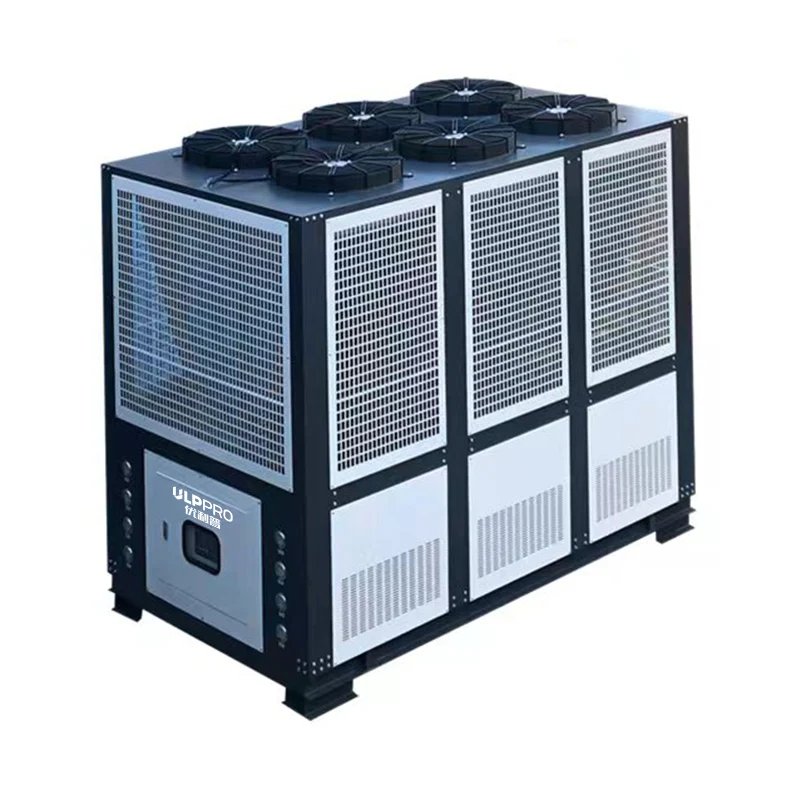
 What Makes an Air-Cooled Packaged Scroll Chiller the Ideal Cooling Solution for Your Needs
Air-cooled packaged scroll chillers offer efficient, reliable, and environmentally-friendly cooling solutions for a variety of applications. This blog explores the advantages, working mechanisms, key features, and selection criteria for these systems. We'll also answer some of the most frequently asked questions about their use and performance.
 23 2026-03
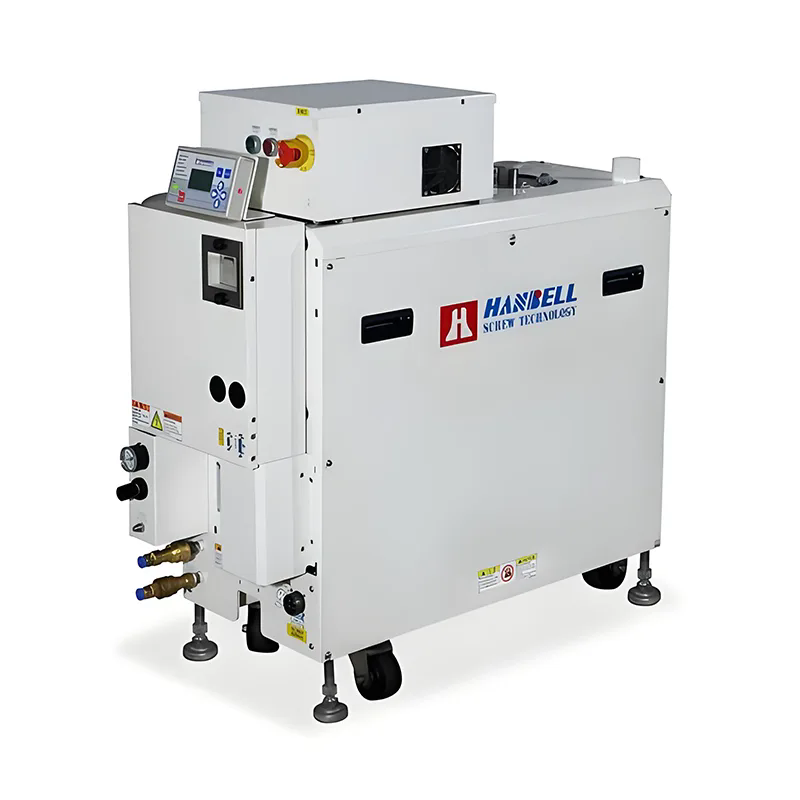
 What Are the Differences Between Dry Screw and Oil Lubricated Vacuum Pumps?
Discover the critical differences between dry screw and oil lubricated vacuum pumps. Explore performance, maintenance, applications, and technical parameters with expert insights from Shanghai Yuzhen Machinery Co., Ltd. Perfect for industrial buyers.
 02 2026-03
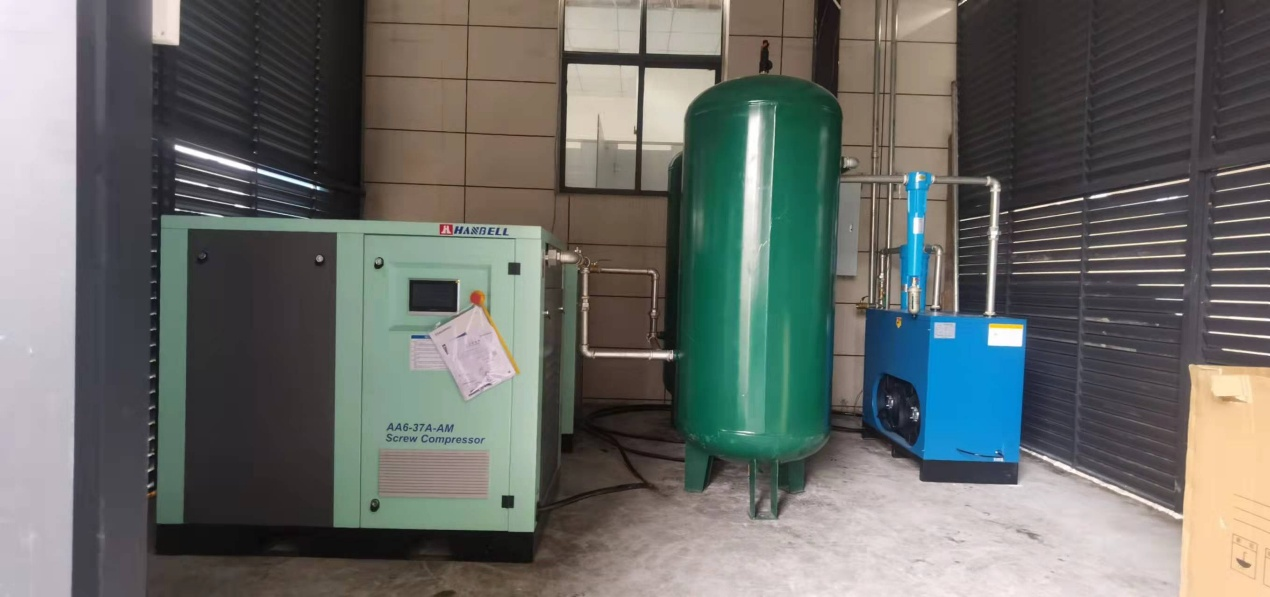
 How to Choose the Right Air Compressor Manufacturer?
It is well known that there are numerous air compressor manufacturers in the market, ranging from internationally renowned brands to many excellent enterprises in China. This inevitably creates confusion for customers when trying to select the right air compressor manufacturer. Yuzhen can assist customers in choosing the appropriate air compressor model by considering their specific process requirements, budget, product performance, and after-sales service.
 05 2026-02
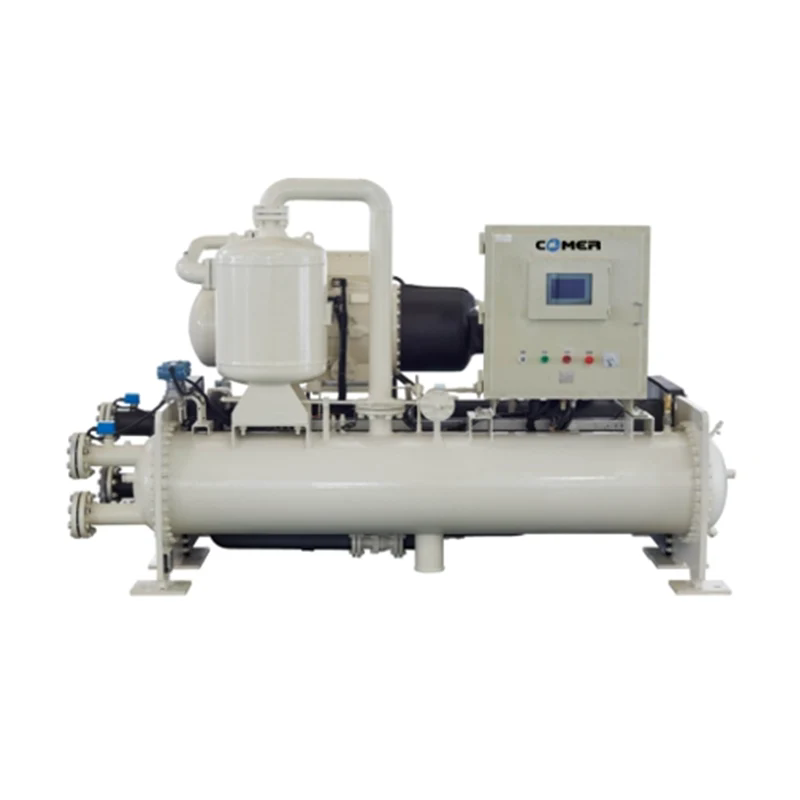
 How Does a Screw Heat Pump Improve Industrial Heating Efficiency?
A screw heat pump is widely applied in industrial and large-scale commercial heating scenarios where stability, efficiency, and continuous operation are critical. Compared with conventional heating systems, it offers higher energy utilization, lower operating costs, and stronger adaptability to complex working conditions. This article provides a comprehensive explanation of how a screw heat pump works, what problems it solves for users, and how to evaluate whether it is the right solution for industrial heating and cooling needs.
