

Industry News
 22 2026-09
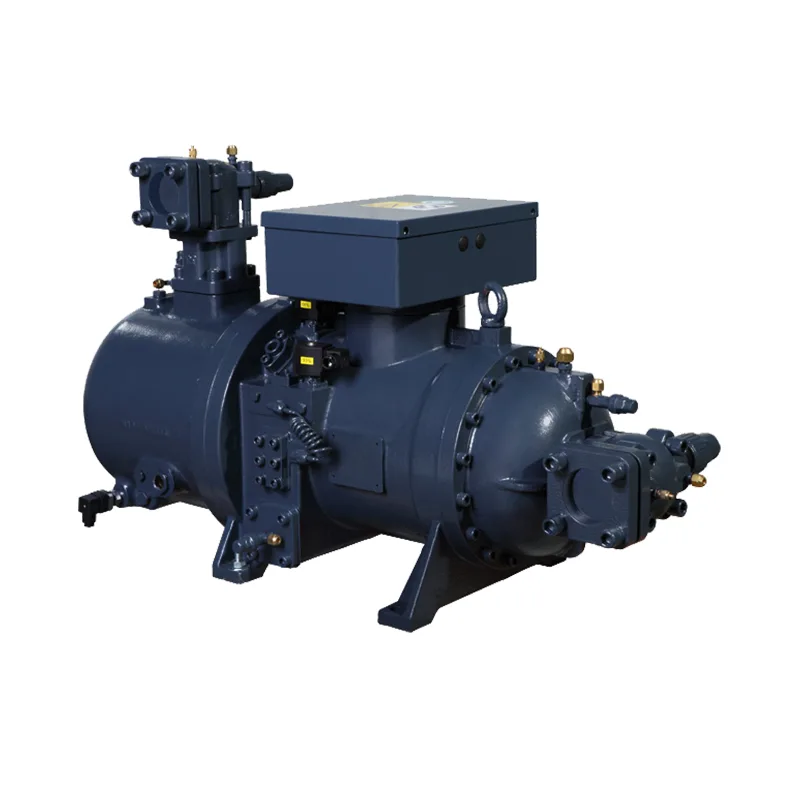
 How Air Conditioning Screw Compressor Technology Supports Low-Carbon Cooling
The development of Air Conditioning Screw Compressor technology is reshaping low-carbon cooling by improving energy efficiency, supporting variable-load operation, and enabling waste heat recovery. As industries focus on reducing energy consumption and optimizing thermal systems, advanced compressor solutions, intelligent controls, and sustainable refrigerant applications are becoming important factors in future HVAC development.
 19 2026-08
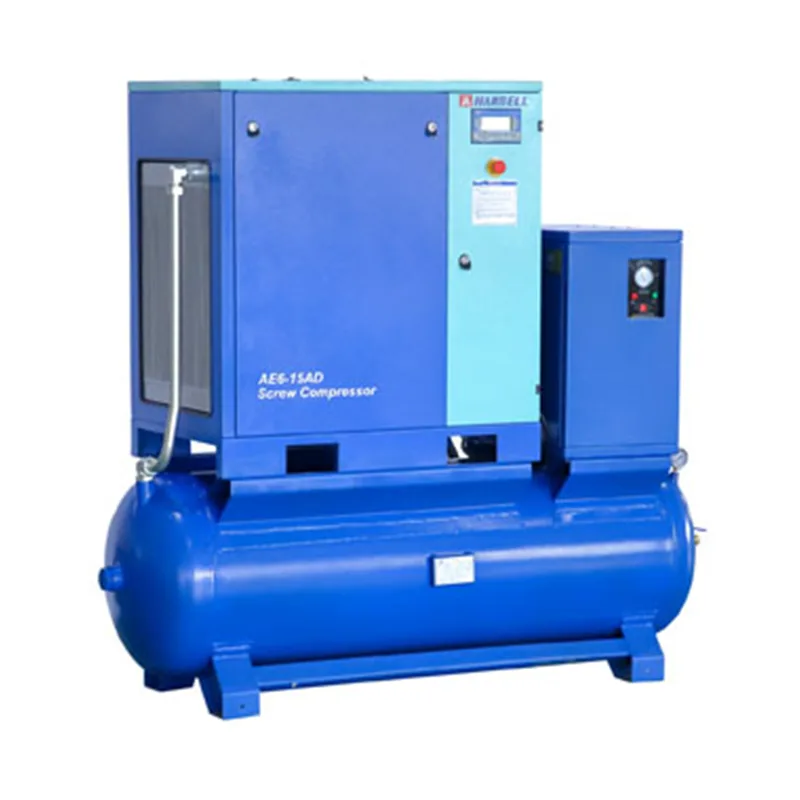
 Why Does Compressed Air Demand Fluctuation Affect Compressor Selection?
In a real factory, compressed air consumption rarely stays at the same level throughout the day. Some machines may require a continuous air supply, while others only use compressed air during specific production stages. As production schedules, equipment operation, and output change, the factory's compressed air demand changes with them.
 04 2026-08
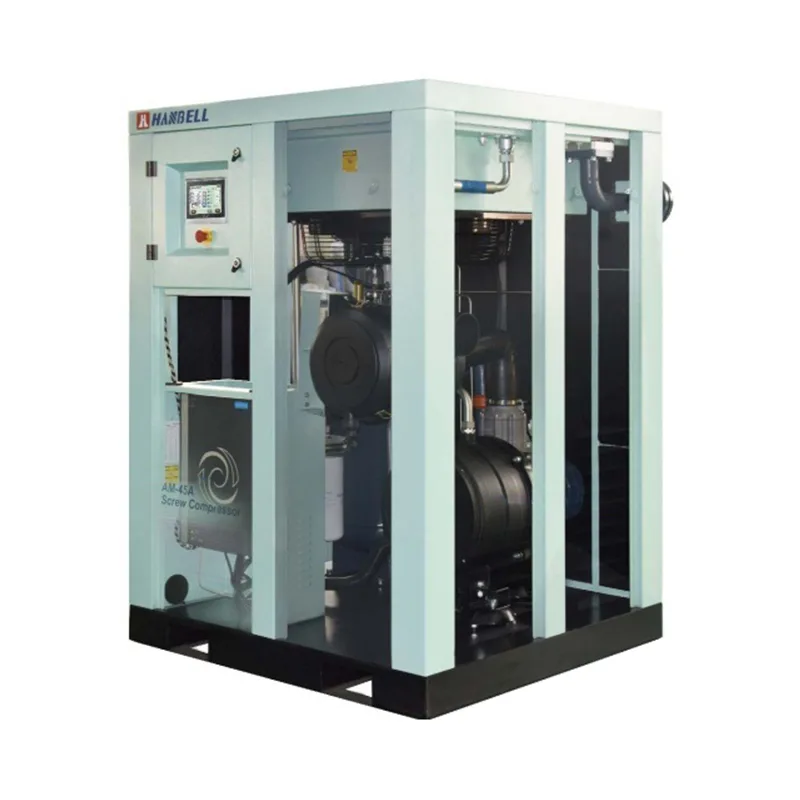
 Variable Frequency Screw Air Compressor: How Energy-Saving Technology Is Changing Industrial Compressed Air Systems
In modern factories, compressed air is often considered the “fourth utility” after electricity, water, and gas. From automotive manufacturing and electronics production to food processing and pharmaceutical industries, stable compressed air supply directly affects production efficiency and operating costs. However, traditional fixed-speed screw air compressors usually run at a constant motor speed, even when air demand changes, which can lead to unnecessary energy consumption.
 28 2026-07
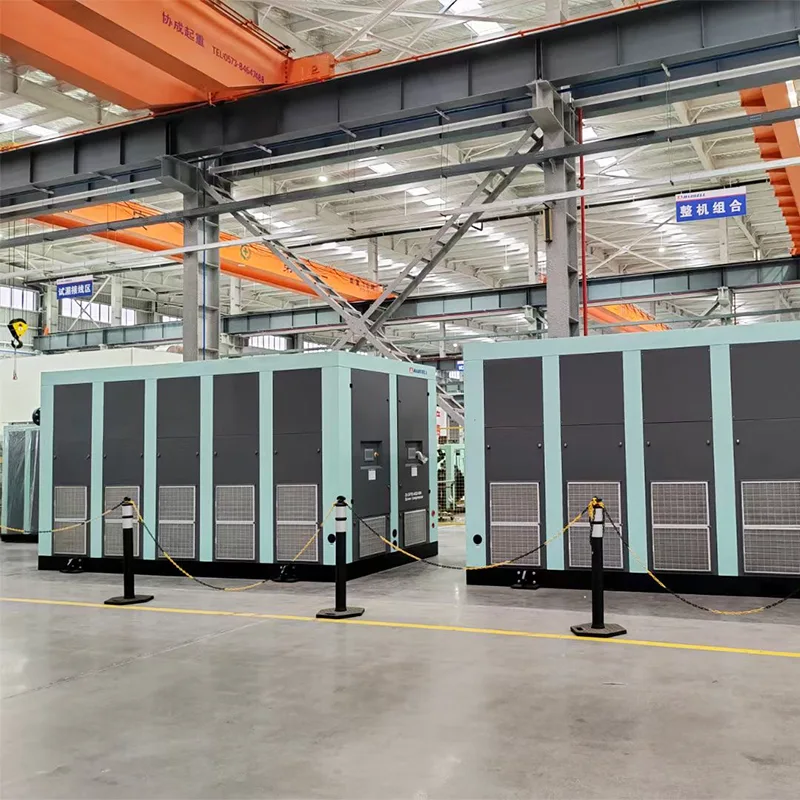
 Why Two stage Compression Variable Frequency Screw Air Compressors Are Changing the Game
If you manage a production facility, you already know that compressed air is often referred to as the "fourth utility"—right up there with electricity, water, and gas. It's essential, invisible, and remarkably expensive to produce. In many manufacturing plants, air compressors account for 15% to 40% of total electricity consumption, making them one of the largest single electrical loads on the factory floor.
 24 2026-07
 Optimizing Industrial Efficiency: The Easy-Maintainable Two-Stage Permanent Magnet Variable Frequency Air Compressor
Compressed air is widely recognized as the "fourth utility" in industrial manufacturing, accounting for approximately 10–15% of total industrial electricity consumption worldwide. Despite its ubiquity, conventional single-stage screw compressors operate with considerable energy losses attributable to high compression ratios, internal leakage, and inefficient load control strategies (typically load/unload or inlet modulation).
 23 2026-07
 The "Dual-Core" Era of Compressed Air: Why Two-Stage PM VFD Compressors Are Becoming the Energy-Saving Gold Standard
In industrial manufacturing, compressed air is often called the "second most important power source" after electricity. But this power doesn't come cheap—in many plants, air compressor systems can account for 10% to 50% of total electricity costs. With carbon neutrality goals tightening and energy prices soaring, turning your compressor room from an "energy guzzler" into a "efficiency champion" has become a strategic imperative.
