Variable Frequency Screw Air Compressor: How Energy-Saving Technology Is Changing Industrial Compressed Air Systems
In modern factories, compressed air is often considered the “fourth utility” after electricity, water, and gas. From automotive manufacturing and electronics production to food processing and pharmaceutical industries, stable compressed air supply directly affects production efficiency and operating costs. However, traditional fixed-speed screw air compressors usually run at a constant motor speed, even when air demand changes, which can lead to unnecessary energy consumption.
With the development of energy-saving technologies, the Variable Frequency Screw Air Compressor has become an increasingly popular solution for industrial users. By adjusting motor speed according to real-time air demand, this type of compressor helps factories reduce energy waste while maintaining stable air pressure and production performance.
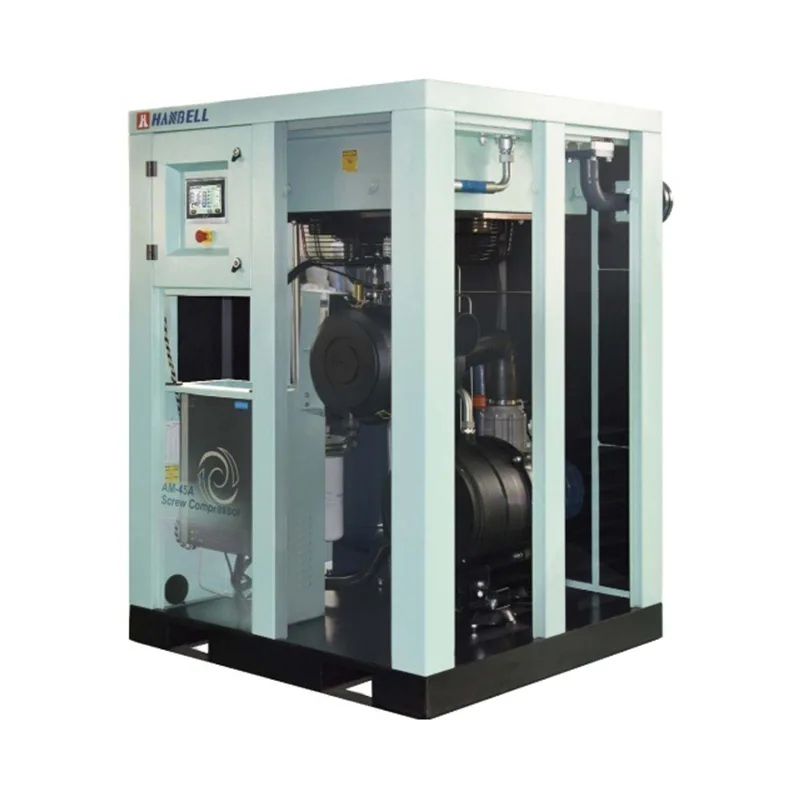
What Is a Variable Frequency Screw Air Compressor?
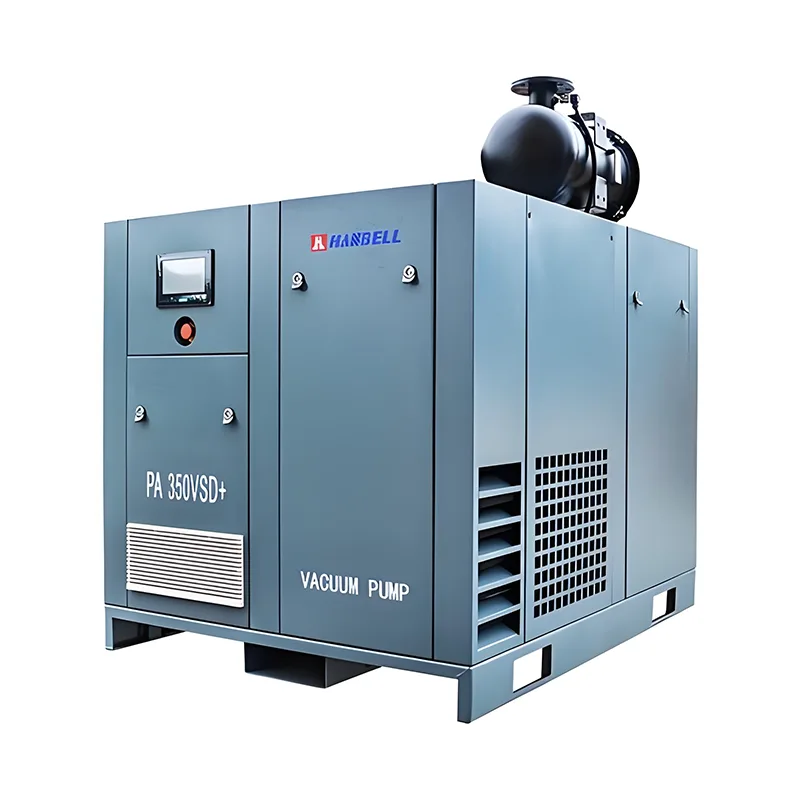
A Variable Frequency Screw Air Compressor is a rotary screw compressor equipped with a variable frequency drive (VFD) system. Unlike conventional fixed-speed compressors that operate at a constant speed, the VFD technology allows the motor to automatically adjust its rotation speed based on compressed air demand.
When the factory requires more air, the compressor increases operating speed. When demand decreases, it reduces speed to lower power consumption.
The working principle can be summarized as:
Air demand changes → VFD adjusts motor frequency → Motor speed changes → Air output matches actual requirements
This intelligent adjustment makes the compressor more efficient, especially in applications where air consumption fluctuates throughout the day.
Why Are More Factories Choosing Variable Frequency Screw Air Compressors?
1. Lower Energy Consumption During Operation
Energy cost is one of the largest expenses in compressed air systems. Traditional compressors often experience unloading periods, during which the motor continues consuming electricity even though less compressed air is needed.
A Variable Frequency Screw Air Compressor reduces this problem by matching output with actual demand. The motor does not need to run continuously at full speed, which helps avoid unnecessary energy loss.
For factories operating compressors for long hours every day, the energy savings can become a significant part of overall production cost reduction.
2. Stable Air Pressure Improves Production Reliability
Pressure fluctuations can affect manufacturing processes, especially in industries that require precise pneumatic control.
The VFD system continuously monitors air demand and adjusts compressor output smoothly. Compared with frequent start-stop operation, variable frequency control provides more stable pressure and helps protect downstream equipment.
Common applications include:
Automotive assembly lines
CNC machining
Electronics manufacturing
Packaging equipment
Textile production
Food processing systems
3. Reduced Mechanical Stress and Longer Service Life
Frequent starting and stopping can create additional stress on motors, electrical components, and mechanical parts.
Variable frequency technology enables soft starting, allowing the motor to gradually increase speed instead of suddenly reaching full load. This reduces current impact and mechanical wear.
As a result, key components such as:
Motor system
Screw rotor assembly
Coupling parts
Electrical components
can operate more smoothly over time.
Variable Frequency Screw Air Compressor vs Fixed Speed Screw Air Compressor
|
Comparison |
Variable Frequency Screw Air Compressor |
Fixed Speed Screw Air Compressor |
|
Motor Control |
Speed adjusted by VFD |
Constant motor speed |
|
Energy Efficiency |
Higher under variable demand |
Lower during low-demand periods |
|
Air Pressure Stability |
More stable |
May fluctuate |
|
Starting Method |
Soft start |
Direct start |
|
Operating Cost |
Lower long-term energy cost |
Higher energy consumption |
|
Suitable Applications |
Factories with changing air demand |
Stable and continuous air demand |
Key Technologies Behind Variable Frequency Screw Air Compressors
Variable Frequency Drive (VFD)
The VFD is the core component of the system. It converts electrical frequency to control motor speed accurately.
By adjusting frequency according to air requirements, the compressor avoids unnecessary full-load operation.
Permanent Magnet Motor Technology
Many modern variable frequency compressors use permanent magnet motors (PM motors). Compared with traditional motors, PM motors can provide higher efficiency and better performance under variable speed conditions.
Benefits include:
Higher motor efficiency
Lower heat generation
Compact structure
Better energy-saving performance
Intelligent Control System
Modern compressors are often equipped with smart controllers that monitor:
Operating pressure
Temperature
Running hours
Energy consumption
Maintenance requirements
These functions allow operators to understand system performance and schedule maintenance more effectively.
How to Choose the Right Variable Frequency Screw Air Compressor?
Selecting a compressor requires more than considering motor power. Users should evaluate several factors:
1. Understand Actual Air Demand
Before purchasing, analyze:
Average compressed air consumption
Peak air demand
Daily operating hours
Pressure requirements
An oversized compressor may increase investment and operating costs, while an undersized model may not meet production needs.
2. Consider Working Environment
Different industries may require different compressor designs depending on:
Temperature conditions
Dust levels
Installation space
Air quality requirements
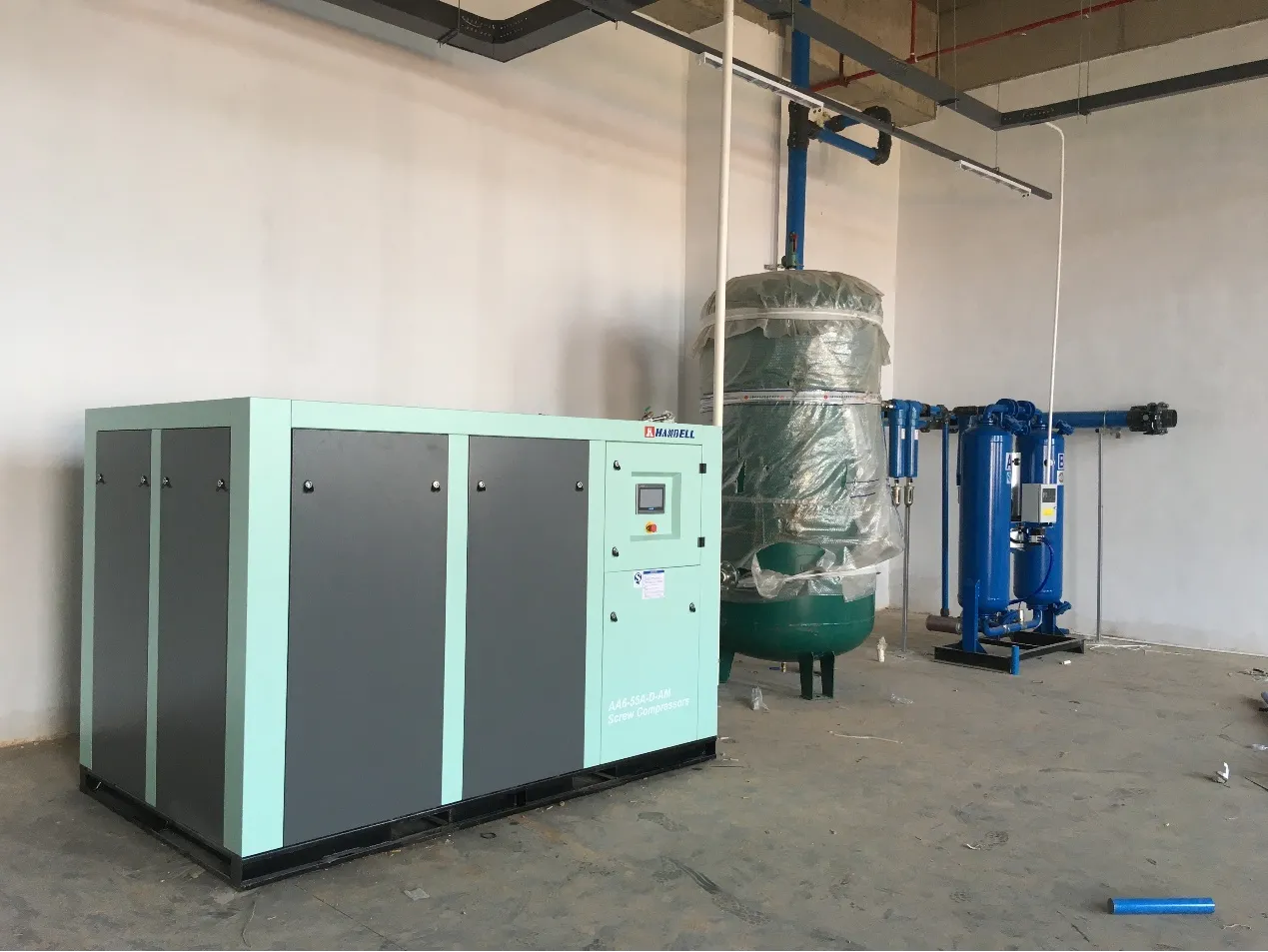
For example, food and pharmaceutical industries may require stricter air treatment systems.
3. Evaluate Maintenance Requirements
A reliable compressor should provide convenient maintenance access and durable components.
Regular maintenance usually includes:
Air filter replacement
Oil filter inspection
Lubricant replacement
Cooling system cleaning
Electrical system checking
Proper maintenance helps maintain efficiency throughout the equipment lifecycle.
Common Applications of Variable Frequency Screw Air Compressors
Variable frequency screw compressors are widely used in industries where air demand changes frequently.
Manufacturing Industry
Used for pneumatic tools, automation equipment, and production lines.
Automotive Industry
Provides compressed air for assembly, painting, and testing processes.
Electronics Industry
Supports precision manufacturing equipment requiring stable air pressure.
Food and Beverage Industry
Used with air treatment systems for production and packaging processes.
Textile Industry
Provides continuous compressed air for spinning and weaving equipment.
Future Development Trends of Variable Frequency Screw Air Compressors
As industries continue to focus on energy efficiency and intelligent manufacturing, variable frequency screw compressors are expected to develop toward:
Higher motor efficiency
Smarter control systems
IoT-based monitoring
Lower noise operation
More compact designs
Factories are no longer only considering the initial purchase price of compressors. Total operating cost, energy consumption, and long-term reliability are becoming more important factors in equipment selection.
Conclusion
A Variable Frequency Screw Air Compressor provides a practical solution for industries looking to improve compressed air efficiency. Through intelligent speed adjustment, stable pressure control, and reduced energy waste, it helps factories optimize production systems and lower long-term operating costs.
Related News
- How Air Conditioning Screw Compressor Technology Supports Low-Carbon Cooling
- Why Does Compressed Air Demand Fluctuation Affect Compressor Selection?
- Why Two stage Compression Variable Frequency Screw Air Compressors Are Changing the Game
- Optimizing Industrial Efficiency: The Easy-Maintainable Two-Stage Permanent Magnet Variable Frequency Air Compressor
- The "Dual-Core" Era of Compressed Air: Why Two-Stage PM VFD Compressors Are Becoming the Energy-Saving Gold Standard
- Integrated Variable Frequency Screw Air Compressor: Transforming Compressed Air from a Cost Center into a Profit Driver
Leave me a message