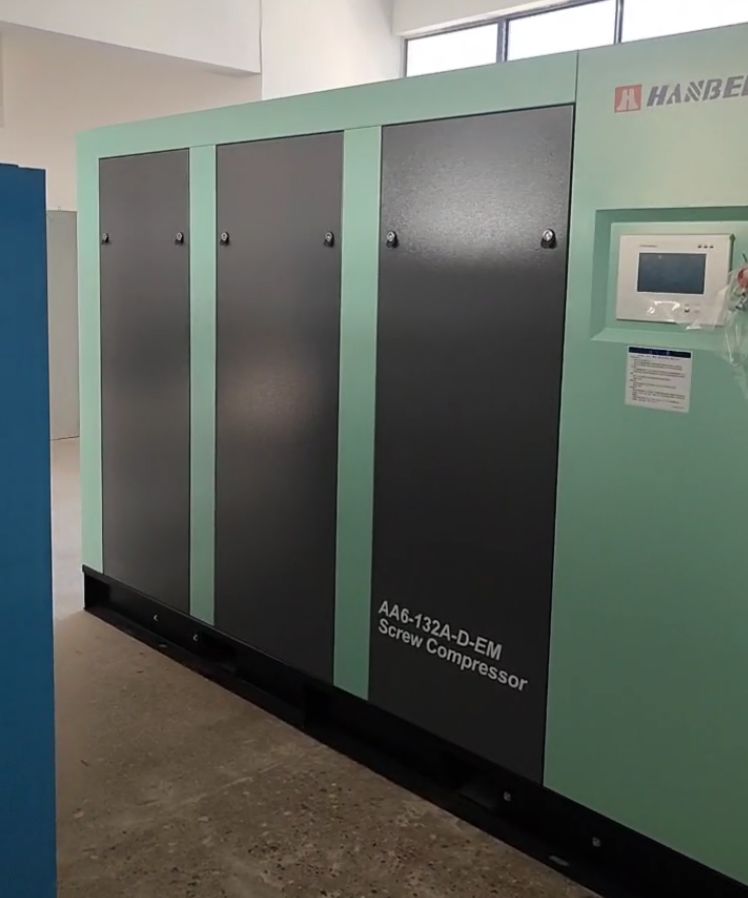
Why Does Compressed Air Demand Fluctuation Affect Compressor Selection?
In a real factory, compressed air consumption rarely stays at the same level throughout the day. Some machines may require a continuous air supply, while others only use compressed air during specific production stages. As production schedules, equipment operation, and output change, the factory's compressed air demand changes with them.
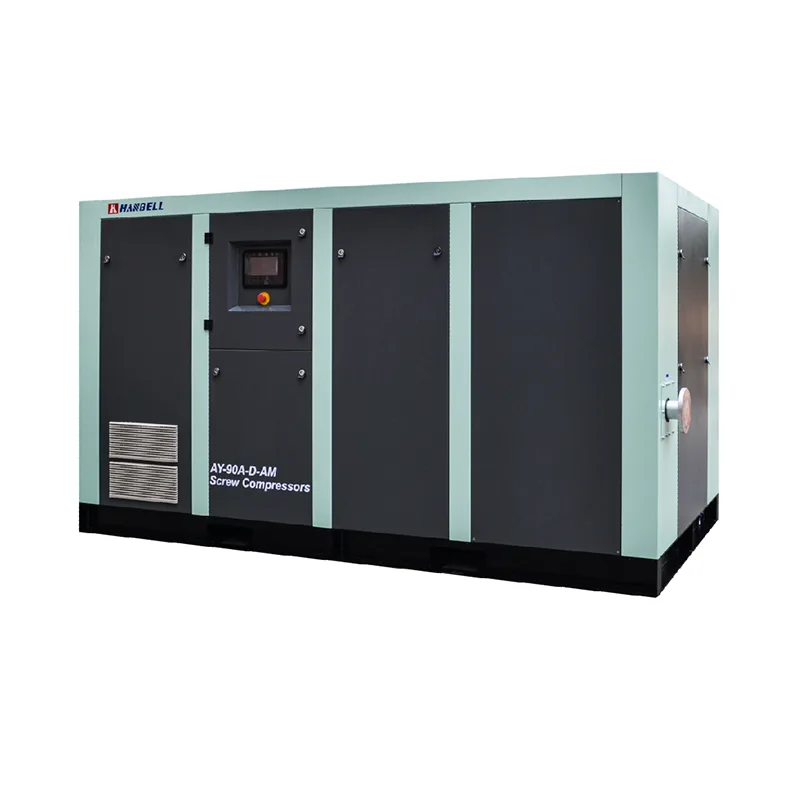
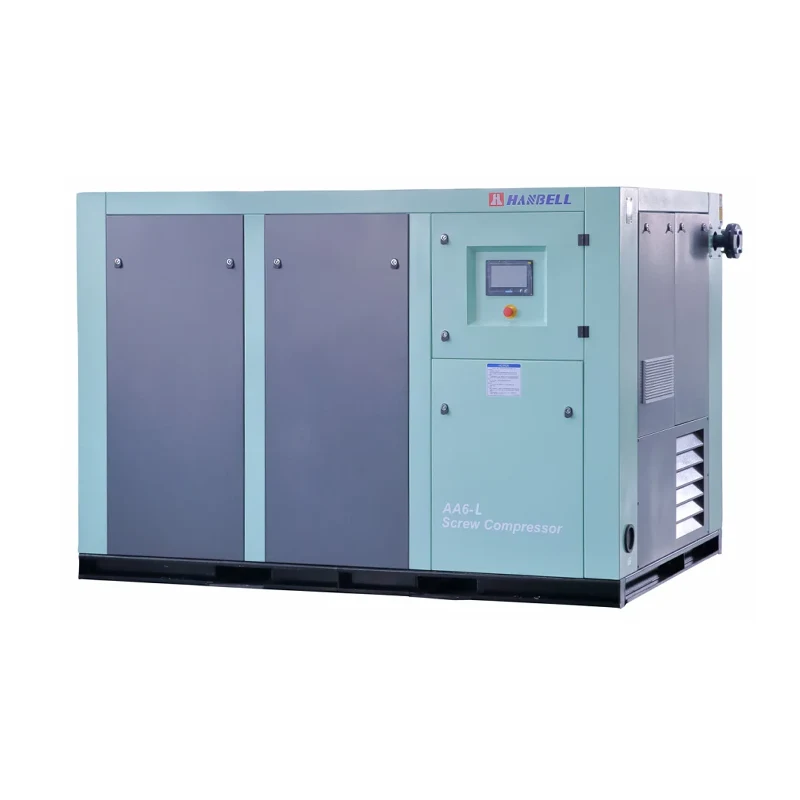
For this reason, compressor selection should not be based only on the highest possible air demand. It is also important to understand how air consumption changes during actual production. For applications with frequent fluctuations, a variable frequency screw air compressor can adjust its operation according to changing demand and may therefore be a more suitable option.
Why Does Compressed Air Demand Change in a Factory?
Consider a factory with several production lines. During peak production periods, multiple machines may operate at the same time, increasing compressed air consumption. When some production lines stop or production slows down, air demand decreases.
Similar changes can occur between different shifts, during equipment start-up, or when production orders change. As a result, the compressor may need to provide a higher air flow during one period and a much lower air flow during another.
Before selecting a compressor, we recommend understanding the factory's actual air consumption pattern rather than choosing equipment based only on the maximum demand.
What Happens When Compressor Capacity Does Not Match Air Demand?
An Oversized Compressor May Operate Inefficiently
If a compressor is selected mainly according to occasional peak demand, its capacity may be considerably higher than the factory's normal requirement.
When air consumption decreases, a fixed-speed compressor cannot directly reduce motor speed to match the lower demand. Depending on its control method, the compressor may instead operate through loading and unloading cycles.
For factories that spend a large portion of their operating time at partial load, this mismatch between compressor capacity and actual demand should be considered during equipment selection.
An Undersized Compressor May Affect Air Supply
The opposite situation can also create problems. If the compressor is selected according to average air consumption without considering production peaks, it may not provide sufficient compressed air when several machines operate simultaneously.
This can lead to pressure drops and may affect equipment that requires a stable compressed air supply.
For this reason, compressor selection should consider normal air demand, peak demand, and demand fluctuations together.
How Does Variable Frequency Technology Respond to Changing Air Demand?
A variable frequency screw air compressor can adjust motor speed according to the required air output. When air demand decreases, the compressor can reduce its operating speed. When demand increases, the speed can be increased within the equipment's operating range.
This adjustment capability is particularly relevant to factories where compressed air consumption changes frequently.
In simple terms, the compressor does not have to operate in exactly the same way throughout the production cycle. Its operating condition can be adjusted according to the actual air requirement.
Why Consider an Integrated Variable Frequency Screw Air Compressor?
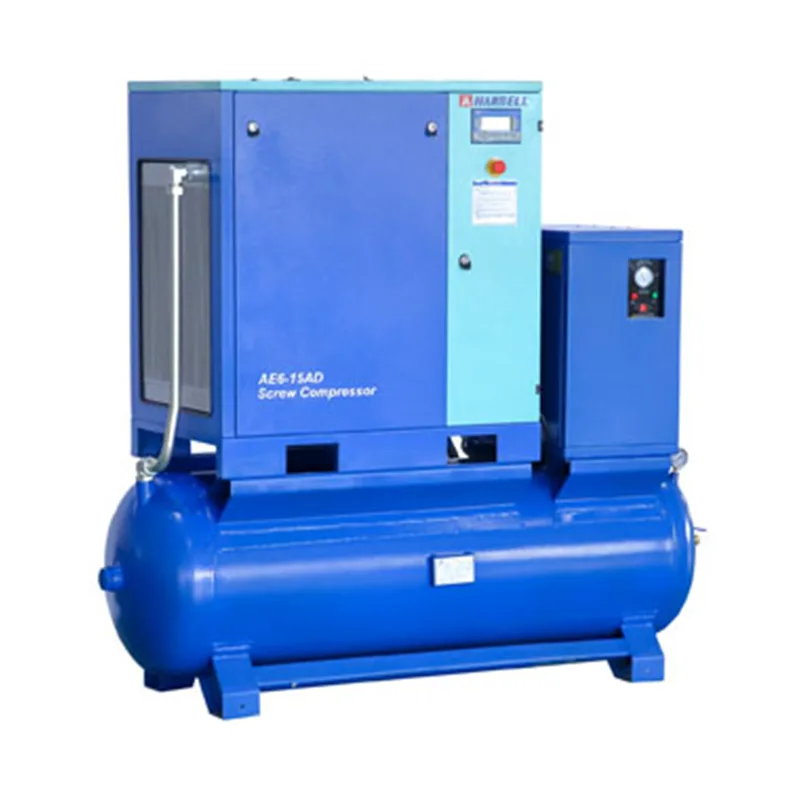
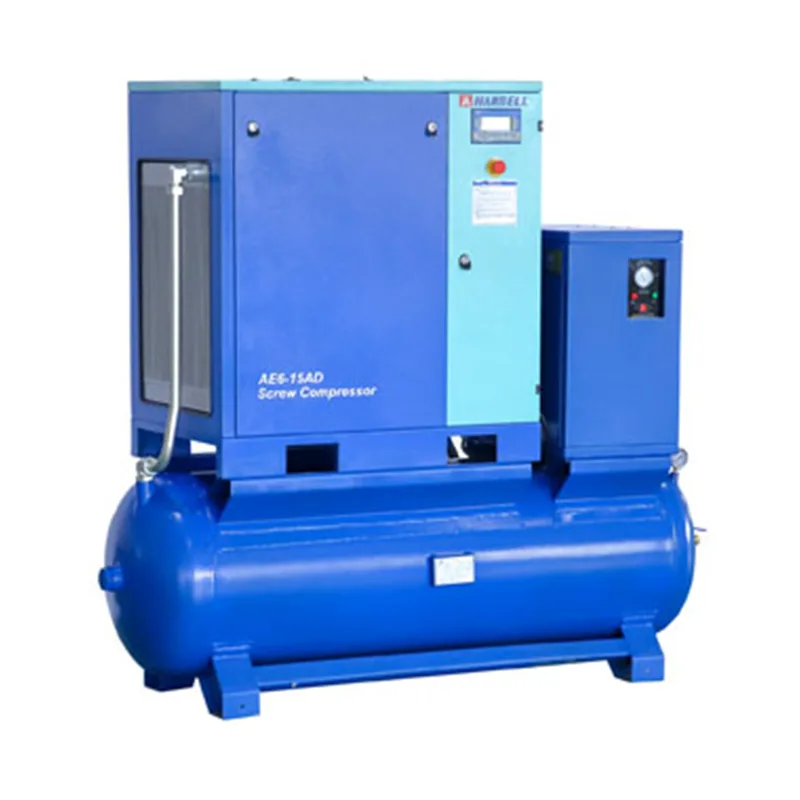
In addition to variable frequency control, the integrated design is another factor worth considering. For factories with limited installation space or those looking for a more compact equipment arrangement, an integrated configuration can help keep the related components and equipment layout more organized.
From a purchasing perspective, we recommend looking beyond the compressor's rated power. Factors such as required air flow, working pressure, daily operating hours, demand fluctuations, and installation conditions should all be considered.
Which Factories Should Pay More Attention to Air Demand Fluctuations?
Demand fluctuations are particularly worth considering when a factory has the following operating conditions:
- Multiple production lines that do not operate simultaneously
- Different machines with different air consumption schedules
- Significant differences in air demand between day and night shifts
- Frequent production changes caused by varying orders
- Clear peak and low-demand periods
- Plans to add more production equipment in the future
In these situations, actual air consumption can change considerably over time, so selecting a compressor based on a single fixed demand figure may not provide the most suitable solution.
What Should You Check Before Buying an Air Compressor?
Before purchasing a compressor, we recommend collecting the following information about your actual application:
- Required working pressure
- Normal air consumption
- Peak air consumption
- Daily operating hours
- Production line operating patterns
- Frequency of air demand changes
- Available installation space
If a factory already has an air compressor in operation, actual operating data can also help show how air demand changes during different production periods. This can provide more useful information for compressor selection than looking at equipment power alone.
Compressed air demand fluctuation affects compressor selection because factories rarely operate at a constant air consumption level. An oversized compressor may not match the factory's normal demand, while an undersized compressor may struggle to meet peak requirements.
For applications with changing air demand, a variable frequency screw air compressor can adjust its operating condition according to actual requirements. An integrated design can also be considered when installation space and equipment arrangement are important.
When choosing an air compressor, we recommend starting with the factory's actual air consumption pattern rather than making a decision based only on rated power or maximum air demand.
Related News
- How Air Conditioning Screw Compressor Technology Supports Low-Carbon Cooling
- Variable Frequency Screw Air Compressor: How Energy-Saving Technology Is Changing Industrial Compressed Air Systems
- Why Two stage Compression Variable Frequency Screw Air Compressors Are Changing the Game
- Optimizing Industrial Efficiency: The Easy-Maintainable Two-Stage Permanent Magnet Variable Frequency Air Compressor
- The "Dual-Core" Era of Compressed Air: Why Two-Stage PM VFD Compressors Are Becoming the Energy-Saving Gold Standard
- Integrated Variable Frequency Screw Air Compressor: Transforming Compressed Air from a Cost Center into a Profit Driver
Leave me a message