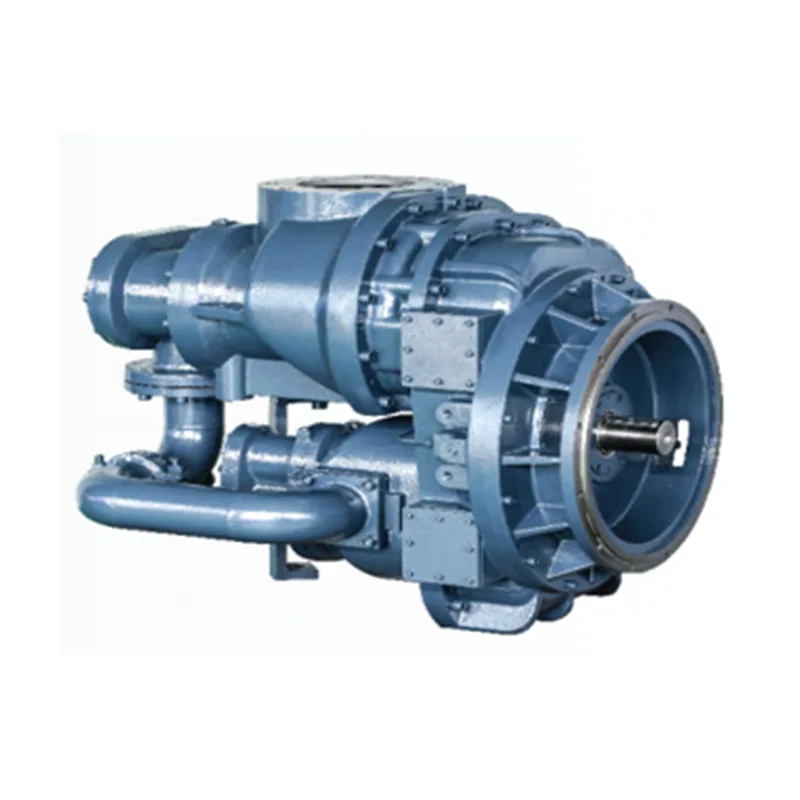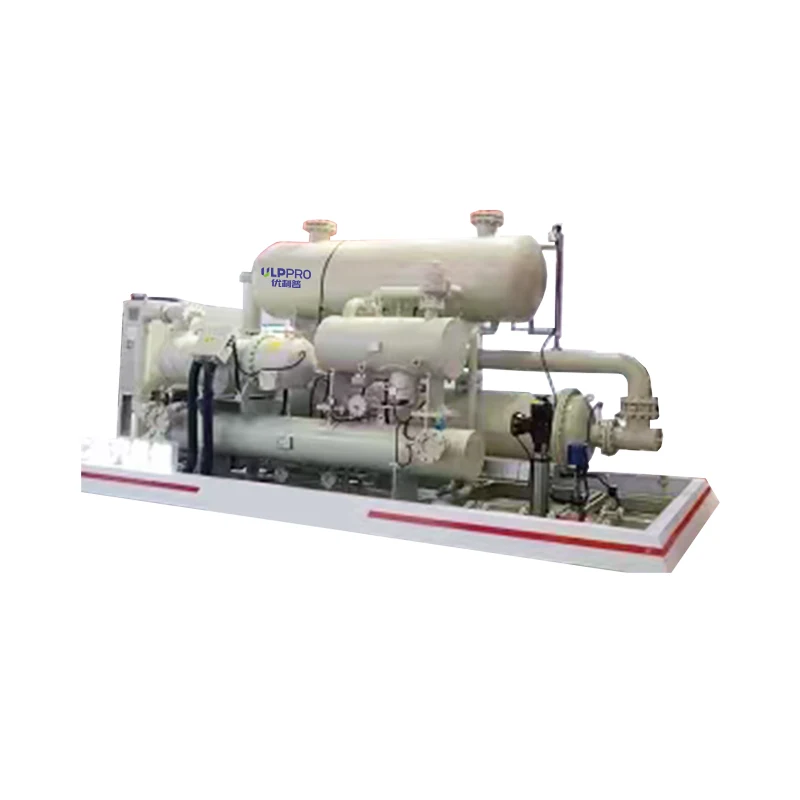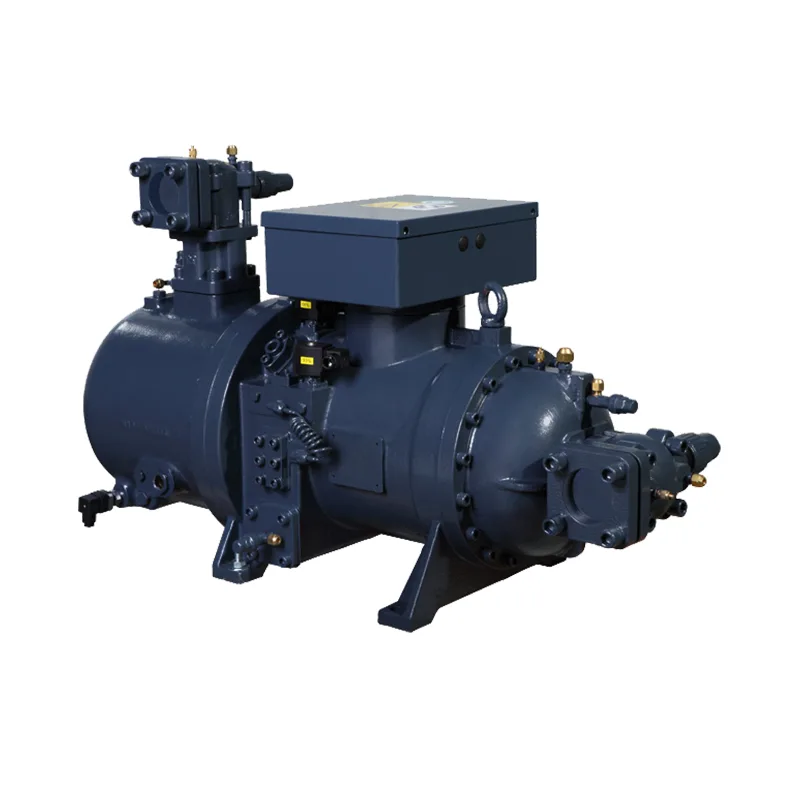
What Are the Differences Between Dry Screw and Oil Lubricated Vacuum Pumps?
In modern industrial environments, choosing the right vacuum pump technology directly impacts operational efficiency, total cost of ownership, and process reliability. For decades, two dominant technologies have shaped the landscape: dry screw vacuum pumps and oil lubricated vacuum pumps. Understanding their fundamental differences is not just a technical exercise—it is a strategic decision that affects production uptime, environmental compliance, and long-term profitability. At Shanghai Yuzhen Machinery Co., Ltd., we have spent over 20 years engineering and supplying both technologies, and we have witnessed firsthand how the wrong choice can lead to excessive downtime and hidden expenses.
The core distinction lies in the compression mechanism and the presence or absence of lubricating oil in the pumping chamber. Dry screw vacuum pumps utilize two intermeshing screw rotors that operate without any fluid in the compression chamber, delivering a completely oil-free vacuum. In contrast, oil lubricated pumps rely on oil for sealing, lubrication, and cooling. This single difference cascades into every aspect of performance—from ultimate pressure stability to maintenance intervals and suitability for harsh chemical processes. Whether you are in pharmaceutical manufacturing, semiconductor fabrication, or chemical processing, this guide will equip you with the technical insights to make an informed investment. Our goal is to help you match your application requirements with the right Vacuum Pump architecture.
Table of Contents
- 1. What Are the Core Working Principles of Dry Screw vs Oil Lubricated Vacuum Pumps?
- 2. How Do Maintenance Requirements and Total Cost of Ownership Compare?
- 3. What Are the Technical Parameters and Performance Specifications?
- 4. Why Is Application Suitability Critical When Choosing Between Dry Screw and Oil Lubricated Pumps?
- Summary: Key Takeaways for Industrial Buyers
- FAQ: What Are the Differences Between Dry Screw and Oil Lubricated Vacuum Pumps?
1. What Are the Core Working Principles of Dry Screw vs Oil Lubricated Vacuum Pumps?
The operational philosophy behind each vacuum technology dictates its performance envelope, durability, and application fit. Dry screw vacuum pumps operate on the principle of non-contacting, synchronous rotation. Two precision-machined screw rotors—coated with advanced materials such as PEEK or nickel-based alloys—rotate in opposite directions inside a cylindrical housing. As they spin, gas is trapped, compressed, and moved from the inlet to the exhaust without any oil or sealing fluid in the chamber. Because there is no lubricant in the compression zone, these pumps deliver 100% oil-free gas, eliminating contamination risks. Our factory at Shanghai Yuzhen Machinery Co., Ltd. manufactures dry screw models with variable pitch rotors, which reduce power consumption by up to 25% compared to traditional designs. The absence of oil also means no disposal costs for waste oil and reduced environmental burden.
Oil lubricated vacuum pumps, conversely, rely on a fluid film to achieve sealing, lubrication, and cooling. In rotary vane or rotary piston designs, a precisely controlled volume of oil circulates through the pump chamber, filling the gaps between moving parts and sealing the compression space. This oil not only lubricates bearings and vanes but also absorbs a significant amount of compression heat, allowing the pump to maintain stable temperatures even under high gas loads. However, oil mist in the exhaust stream necessitates coalescing filters and, in sensitive applications, additional aftertreatment. While our oil-lubricated series from Shanghai Yuzhen Machinery Co., Ltd. incorporates advanced oil separation systems to reduce carryover, the inherent need for regular oil changes remains a maintenance factor. Below we outline the key structural differences in list form:
- Dry Screw Pump Internals: Twin screw rotors with micro-clearances (0.1–0.3 mm), no oil in the compression chamber, often equipped with gas purge ports for handling condensable vapors.
- Oil Lubricated Pump Internals: Oil sump, oil pump, oil filter, vane or piston assembly; oil acts as a sealant and coolant; requires oil mist eliminator for exhaust.
- Temperature Profile: Dry screw runs hotter (up to 230°C at discharge) to prevent condensation; oil-lubricated typically runs cooler (70–90°C) due to heat absorption by oil.
- Sealing Mechanism: Dry screw relies on precision clearances and rotor coatings; oil-lubricated relies on oil film for dynamic sealing.
From a thermodynamic perspective, dry screw pumps achieve ultimate pressures as low as 0.01 mbar (absolute) without contamination, while high-end oil lubricated pumps can go below 0.005 mbar but with potential back-migration of oil vapor. In our experience at Shanghai Yuzhen Machinery Co., Ltd., clients in cleanroom environments or lithium battery drying processes overwhelmingly prefer dry screw Vacuum Pump solutions because even trace oil vapor can compromise product quality. On the other hand, applications like vacuum metallurgy or rough vacuum in steel degassing often leverage the ruggedness of oil lubricated designs. The choice begins with understanding the physics of your process gas and cleanliness requirements. Our factory engineers emphasize that while dry screw technology represents a higher initial investment, the absence of oil disposal, reduced fire risk, and simpler regulatory compliance often tilt the lifecycle value in its favor.
2. How Do Maintenance Requirements and Total Cost of Ownership Compare?
Maintenance strategy and total cost of ownership (TCO) are where the differences between dry screw and oil lubricated vacuum pumps become most apparent to plant managers. Our clients frequently tell us that hidden maintenance costs—not purchase price—dictate their ROI. With dry screw vacuum pumps, the maintenance paradigm shifts from frequent fluid changes to periodic inspections and rotor clearance monitoring. Because there is no oil to degrade, the primary wear components are bearings, shaft seals, and rotor coatings.
At Shanghai Yuzhen Machinery Co., Ltd., we design our dry screw models with bearing isolators and coated rotors that typically provide 20,000 to 30,000 operating hours before major overhaul. Routine maintenance every 8,000 hours includes checking gas purge valves, replacing inlet filters, and inspecting shaft seals—tasks that can be completed in a few hours. The total absence of oil means no lubricant purchase, no disposal costs, and no risk of oil contamination in the process stream. For facilities in food packaging or electronics, this translates directly to higher yield.
Oil lubricated vacuum pumps, by contrast, demand a rigorous maintenance schedule centered on oil quality. Our factory produces both single-stage and two-stage oil lubricated models, and we recommend oil changes every 2,000 to 4,000 hours depending on process severity. Additionally, operators must replace oil filters, coalescing filters, and occasionally de-scale cooling passages. Oil degradation from acidic gases or moisture can shorten intervals drastically. In aggressive chemical processes, oil analysis becomes mandatory to prevent varnish formation or bearing seizure. While the initial purchase cost of an oil lubricated Vacuum Pump is often 30–50% lower than a comparable dry screw unit, the TCO over a five-year period frequently favors dry screw technology—especially when labor, downtime, and waste disposal are accounted for. Below is a detailed comparison list summarizing maintenance drivers:
- Dry Screw Pump Maintenance: No oil changes; focus on rotor clearance verification; periodic gas purge calibration; bearing replacement typically every 3–5 years; minimal waste generation.
- Oil Lubricated Pump Maintenance: Frequent oil and filter changes; oil analysis required for harsh applications; coalescing filter replacement; risk of oil emulsification; higher labor intensity.
- Downtime Impact: Dry screw—scheduled maintenance can often be planned during annual shutdowns; Oil lubricated—unplanned downtime due to oil contamination is more common.
- Spare Parts Inventory: Dry screw requires fewer part varieties (mainly seals and bearings); oil lubricated requires oil, filters, vanes, and sometimes cylinder kits.
At our Shanghai Yuzhen Machinery Co., Ltd. facility, we have implemented remote monitoring capabilities on both pump types to help clients predict maintenance needs. Data shows that dry screw installations yield 15–20% higher uptime in continuous chemical applications because there is no oil degradation variable. For oil lubricated systems, we recommend a proactive maintenance partner program to manage fluid logistics. Ultimately, the decision should factor in your internal maintenance expertise and environmental regulations. In regions with strict waste oil disposal laws, the dry screw approach simplifies compliance. Our goal is to ensure that whichever Vacuum Pump you select, you receive a solution optimized for lifecycle efficiency—and we back both technologies with comprehensive service support.
3. What Are the Technical Parameters and Performance Specifications?
To make a data-driven decision, engineers need to compare technical specifications side by side. Both dry screw and oil lubricated vacuum pumps are available in a wide range of sizes, but their performance curves differ significantly due to compression principles. Dry screw pumps typically provide consistent pumping speed across a broad pressure range, from atmosphere to high vacuum, with minimal drop-off. They handle condensable vapors exceptionally well because internal temperatures remain above the dew point. Oil lubricated pumps, while capable of reaching lower ultimate pressures, may show pumping speed degradation if the oil viscosity is not matched to the process temperature. The table below summarizes typical parameters for industrial models from our Shanghai Yuzhen Machinery Co., Ltd. product lines. These represent mid-range units suitable for chemical, pharmaceutical, and general manufacturing applications.
| Parameter | Dry Screw Vacuum Pump (SYY Series) | Oil Lubricated Rotary Vane Pump (SYV Series) |
| Pumping Speed (50/60 Hz) | 100 – 800 m³/h | 40 – 750 m³/h |
| Ultimate Pressure (absolute) | ≤ 0.01 mbar (oil-free) | ≤ 0.005 mbar (with oil) |
| Operating Temperature | 150°C – 230°C (discharge) | 60°C – 90°C (oil sump) |
| Power Range | 5.5 kW – 75 kW | 2.2 kW – 55 kW |
| Noise Level (dB(A)) | 72 – 82 (with enclosure) | 68 – 78 (with enclosure) |
| Cooling Method | Air-cooled or water-cooled | Air-cooled (oil cooler) |
| Material of Construction | Cast iron rotors with PEEK coating, stainless steel housing | Cast iron body, steel rotor/vane |
| Seal Type | Mechanical seals or magnetic drive options | Shaft seals with oil slingers |
| Vapor Handling Capacity | Excellent (gas purge standard) | Moderate (requires gas ballast) |
Beyond the table, several nuanced parameters matter. For dry screw pumps, the pitch design influences compression ratio and power consumption. Our factory utilizes a hybrid profile that reduces internal leakage, ensuring that the Vacuum Pump maintains high efficiency even at low inlet pressures. For oil lubricated units, oil viscosity selection is critical—ISO VG 68 or 100 depending on ambient conditions. Additionally, dry screw pumps can be equipped with nitrogen purge systems to handle aggressive or explosive gases, while oil lubricated models may need synthetic oils for chemical resistance.
Our engineering team at Shanghai Yuzhen Machinery Co., Ltd. offers customized configurations such as ATEX-certified dry screw pumps for hazardous areas. In terms of energy efficiency, dry screw pumps with variable frequency drives (VFD) can modulate speed to match process demand, saving up to 30% energy compared to fixed-speed oil lubricated counterparts. These specifications confirm that dry screw technology excels in clean, demanding applications, while oil lubricated pumps offer a cost-effective entry for less critical vacuum duties.
4. Why Is Application Suitability Critical When Choosing Between Dry Screw and Oil Lubricated Pumps?
Application suitability is the ultimate filter when selecting vacuum technology. No single pump type fits all scenarios, and misapplication often results in premature failure or quality issues. At Shanghai Yuzhen Machinery Co., Ltd., we have developed an application matrix to guide our clients. Dry screw vacuum pumps excel in processes where contamination is unacceptable or where the gas stream contains corrosive, condensable, or particulate-laden components. Examples include pharmaceutical drying, solvent recovery, chemical distillation, semiconductor etching, and lithium-ion battery manufacturing. Because the compression chamber is oil-free, there is no risk of hydrocarbon contamination, and the high internal temperature prevents condensation of moisture or solvents, which can damage oil-lubricated pumps over time. Our dry screw models are also ideal for vacuum conveying of food powders where hygiene standards demand zero lubricant exposure.
Oil lubricated vacuum pumps remain the workhorse for many industrial sectors where ultimate vacuum depth and economy are prioritized over absolute cleanliness. Common applications include vacuum packaging, meat processing, medical vacuum systems, central vacuum plants, and woodworking. They are also widely used in automotive manufacturing for component drying and in metallurgy for degassing. In these environments, the presence of oil is either tolerable or easily filtered out. However, when the process gas is highly reactive (e.g., chlorine, phosgene) or when solvent recovery is required, oil lubricated pumps face challenges because the oil can degrade, form sludge, or contaminate recovered solvents. In such cases, dry screw is the safer and more reliable choice. Below is a list summarizing best-fit scenarios:
- Dry Screw Best Applications: Chemical processing, pharmaceutical freeze drying, semiconductor fabrication, solvent extraction, vacuum coating, aggressive gas handling, high-purity research.
- Oil Lubricated Best Applications: Rough vacuum industrial processes, vacuum packaging, HVAC evacuation, concrete degassing, low-cost general manufacturing, backup vacuum systems.
- Hybrid Solutions: In some complex processes, our clients use a dry screw backing pump combined with an oil lubricated booster for cost optimization—this leverages strengths of both technologies.
Another critical consideration is regulatory compliance. In pharmaceutical and food industries, HACCP and GMP standards often mandate the use of oil-free vacuum pumps to prevent cross-contamination. Our dry screw Vacuum Pump range meets ISO 8573-1 Class 0 for oil-free air, making them suitable for sterile manufacturing. Meanwhile, oil lubricated pumps require rigorous monitoring of oil quality and exhaust filtration to meet environmental emission standards. Through our factory at Yuzhen, we provide full documentation and certifications to support compliance audits. Ultimately, the decision should involve a lifecycle assessment that weighs initial investment against process risk. Our sales engineers routinely conduct site audits to evaluate factors like gas composition, required duty cycle, and available utilities—ensuring that the selected pump not only meets specifications but also delivers reliable service for years.
Summary: Key Takeaways for Industrial Buyers
After evaluating the working principles, maintenance demands, technical parameters, and application suitability, several clear conclusions emerge. Dry screw vacuum pumps offer the highest level of process purity, lower environmental impact, and reduced long-term maintenance costs for critical applications. They are particularly advantageous when handling aggressive or condensable gases, or when any risk of oil contamination is unacceptable. On the other hand, oil lubricated vacuum pumps provide a lower entry cost, deeper ultimate pressure capability, and proven reliability in traditional industrial settings where oil management is already part of the operational routine.
At Yuzhen, we manufacture both technologies with uncompromising quality standards, ensuring that our clients receive the optimal solution based on their specific production requirements. Our factory utilizes advanced CNC machining and rigorous testing protocols to guarantee that every Vacuum Pump delivers nameplate performance. We have seen clients achieve 30% reductions in total operating costs by switching from outdated oil-lubricated systems to our modern dry screw series, while others continue to benefit from the simplicity and affordability of our oil-lubricated units.
For any investment in vacuum technology, we recommend conducting a comprehensive audit that includes gas composition analysis, expected operating hours, energy costs, and waste disposal logistics. Our team at Shanghai Yuzhen Machinery Co., Ltd. is ready to provide detailed ROI projections and performance simulations. By aligning your vacuum system with your process demands, you can maximize uptime, product quality, and profitability. Whether you choose dry screw or oil lubricated, the key is partnering with a manufacturer that offers robust after-sales support and genuine spare parts availability. We take pride in our 24/7 technical support and global service network, ensuring that our clients never face extended downtime.
Choosing the right Vacuum Pump technology is a strategic investment. At Shanghai Yuzhen Machinery Co., Ltd., we combine 20 years of engineering excellence with in-depth application expertise to deliver tailored solutions. Whether you need a high-performance dry screw pump for clean processes or a robust oil lubricated unit for heavy-duty industrial use, our team provides comprehensive support from selection to commissioning and after-sales service. Contact our technical sales team today to request a free application audit, receive detailed quotations, or discuss custom configurations. Let us help you achieve higher efficiency, lower operating costs, and peace of mind with reliable vacuum technology. Our factory is ready to serve your global operations with fast delivery and genuine spare parts.
FAQ: What Are the Differences Between Dry Screw and Oil Lubricated Vacuum Pumps?
Below are the most frequently asked questions regarding the differences, performance, and selection criteria for dry screw vs oil lubricated vacuum pumps. These answers are structured to provide concise yet detailed insights optimized for search engines and AI Overviews.
Question 1: Which type of vacuum pump offers lower total cost of ownership over five years?
Answer: For most industrial applications with continuous operation, dry screw vacuum pumps typically offer a lower total cost of ownership (TCO) over five years when factoring in maintenance, consumables, and downtime. Although the initial purchase price of a dry screw Vacuum Pump is higher than an oil lubricated model, the elimination of oil changes, filter replacements, and waste oil disposal significantly reduces recurring costs. Additionally, dry screw units often feature higher energy efficiency, especially when equipped with VFDs. At Shanghai Yuzhen Machinery Co., Ltd., we have conducted TCO analyses showing that dry screw pumps yield 20–35% savings in high-utilization chemical plants compared to oil lubricated equivalents. However, for intermittent or low-duty applications, oil lubricated pumps may still offer a favorable TCO due to lower upfront investment.
Question 2: Can dry screw vacuum pumps handle moisture and solvent vapors without damage?
Answer: Yes, dry screw vacuum pumps are inherently well-suited for handling moisture, solvent vapors, and condensable gases. Because the compression chamber operates at elevated temperatures (typically above 150°C), the internal surfaces stay above the dew point of most vapors, preventing condensation that could cause corrosion or oil emulsification. In contrast, oil lubricated pumps require gas ballast valves to handle condensables, and even then, prolonged exposure can degrade the oil, leading to increased maintenance. Our dry screw models at Shanghai Yuzhen Machinery Co., Ltd. include automatic gas purge systems that further enhance vapor handling, making them the preferred choice for drying processes, distillation, and solvent recovery applications.
Question 3: What is the typical ultimate vacuum level difference between the two technologies?
Answer: Oil lubricated vacuum pumps generally achieve a lower ultimate pressure—down to 0.005 mbar (absolute) or even lower in two-stage designs—due to the sealing effect of the oil film. Dry screw vacuum pumps typically reach ultimate pressures around 0.01 to 0.02 mbar (absolute) in oil-free configuration. While the dry screw ultimate pressure is slightly higher, the difference is negligible for the vast majority of industrial processes such as chemical processing, pharmaceutical drying, and vacuum coating. However, for applications requiring extreme high vacuum (below 0.001 mbar), oil lubricated pumps are often used as backing pumps in combination with turbomolecular or diffusion pumps. Our factory offers both technologies and helps clients select based on the precise vacuum level needed for their process.
Question 4: How do maintenance intervals compare for dry screw versus oil lubricated pumps?
Answer: Maintenance intervals differ substantially. Dry screw vacuum pumps typically require major service every 20,000 to 30,000 operating hours, focusing on bearings and shaft seals, with routine inspections every 8,000 hours. There are no oil changes or filter replacements in the pumping chamber. In contrast, oil lubricated vacuum pumps require oil changes every 2,000 to 4,000 hours depending on operating conditions, along with oil filter, coalescing filter, and vane replacements. For harsh chemical environments, oil change intervals may be as short as 1,000 hours. At Shanghai Yuzhen Machinery Co., Ltd., we provide maintenance scheduling tools to help customers optimize intervals based on actual usage data. The dry screw approach significantly reduces labor and consumable costs, making it attractive for 24/7 operations.
Question 5: Are dry screw vacuum pumps suitable for explosive or hazardous atmospheres?
Answer: Absolutely. Dry screw vacuum pumps are frequently used in explosive or hazardous atmospheres because they contain no oil that could ignite or degrade, and they can be manufactured with ATEX certification. The absence of oil eliminates the risk of oil mist explosions and reduces potential ignition sources. Additionally, the high operating temperature of dry screw pumps, combined with inert gas purging, makes them ideal for handling flammable solvents or reactive gases. Shanghai Yuzhen Machinery Co., Ltd. offers a full range of ATEX-compliant dry screw vacuum pumps certified for Zone 1 and Zone 2 hazardous areas. Oil lubricated pumps can also be adapted for hazardous areas with special seals and monitoring, but the inherent fire risk associated with oil makes dry screw the safer choice in many cases.
Related News
- How Air Conditioning Screw Compressor Technology Supports Low-Carbon Cooling
- Why Does Compressed Air Demand Fluctuation Affect Compressor Selection?
- Variable Frequency Screw Air Compressor: How Energy-Saving Technology Is Changing Industrial Compressed Air Systems
- Why Two stage Compression Variable Frequency Screw Air Compressors Are Changing the Game
- Optimizing Industrial Efficiency: The Easy-Maintainable Two-Stage Permanent Magnet Variable Frequency Air Compressor
- The "Dual-Core" Era of Compressed Air: Why Two-Stage PM VFD Compressors Are Becoming the Energy-Saving Gold Standard
Leave me a message