How Does a Screw Heat Pump Improve Industrial Heating Efficiency?
Article Abstract
A screw heat pump is widely applied in industrial and large-scale commercial heating scenarios where stability, efficiency, and continuous operation are critical. Compared with conventional heating systems, it offers higher energy utilization, lower operating costs, and stronger adaptability to complex working conditions. This article provides a comprehensive explanation of how a screw heat pump works, what problems it solves for users, and how to evaluate whether it is the right solution for industrial heating and cooling needs.
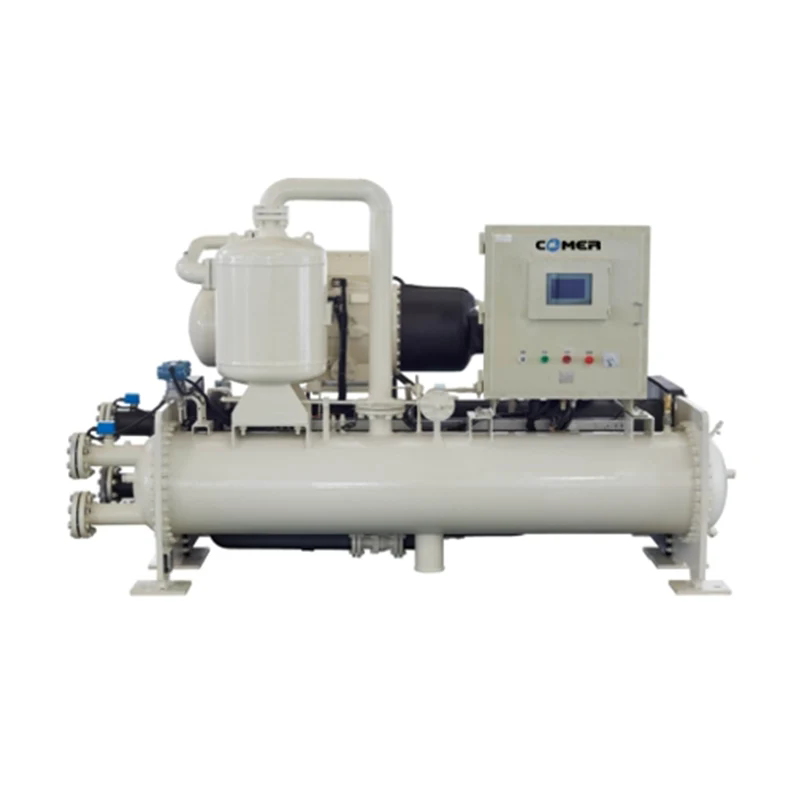
Table of Contents
- Article Outline
- What Is a Screw Heat Pump?
- How a Screw Heat Pump Works
- Key Customer Pain Points Addressed
- Core Advantages of Screw Heat Pump Systems
- Typical Applications and Use Cases
- How to Choose the Right Screw Heat Pump
- Screw Heat Pump vs Traditional Systems
- Frequently Asked Questions
- Conclusion and Contact
Article Outline
- Basic concept and structure of screw heat pumps
- Operating principles and heat transfer process
- Common industrial heating challenges
- Performance, reliability, and efficiency benefits
- Application scenarios across industries
- Selection criteria and evaluation checklist
What Is a Screw Heat Pump?
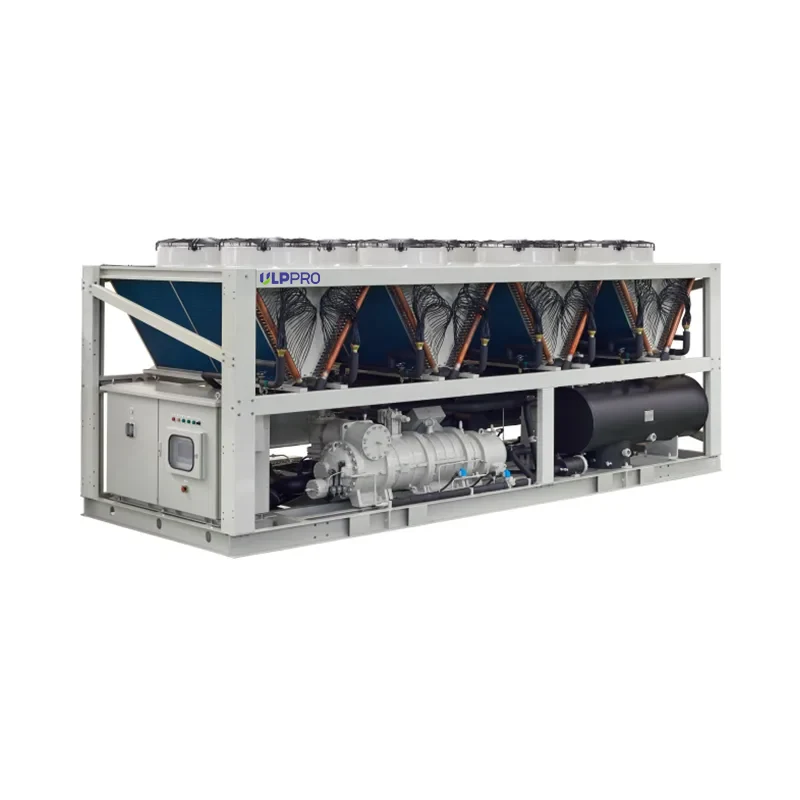
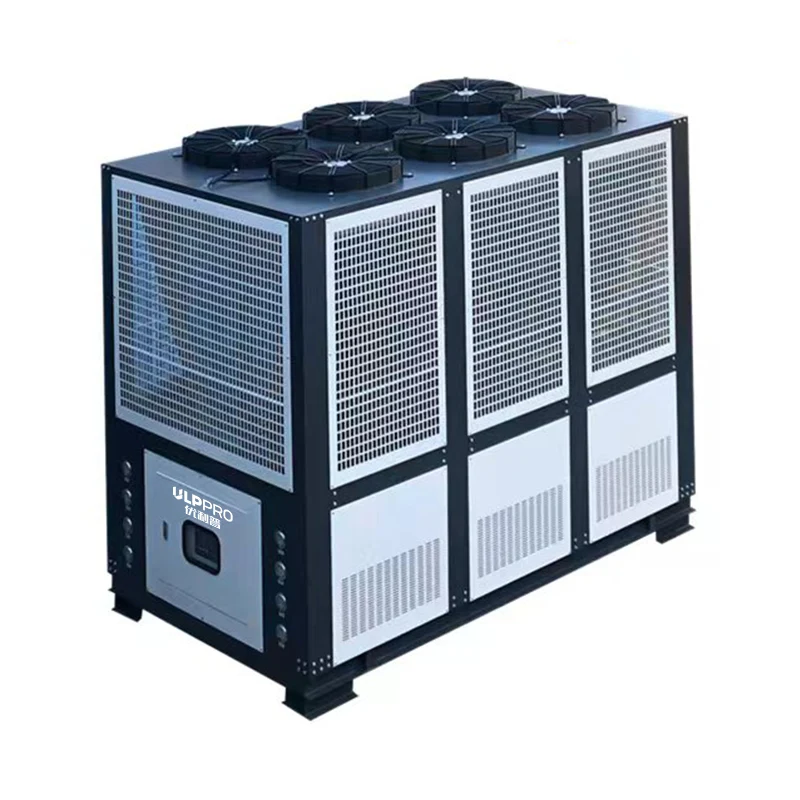
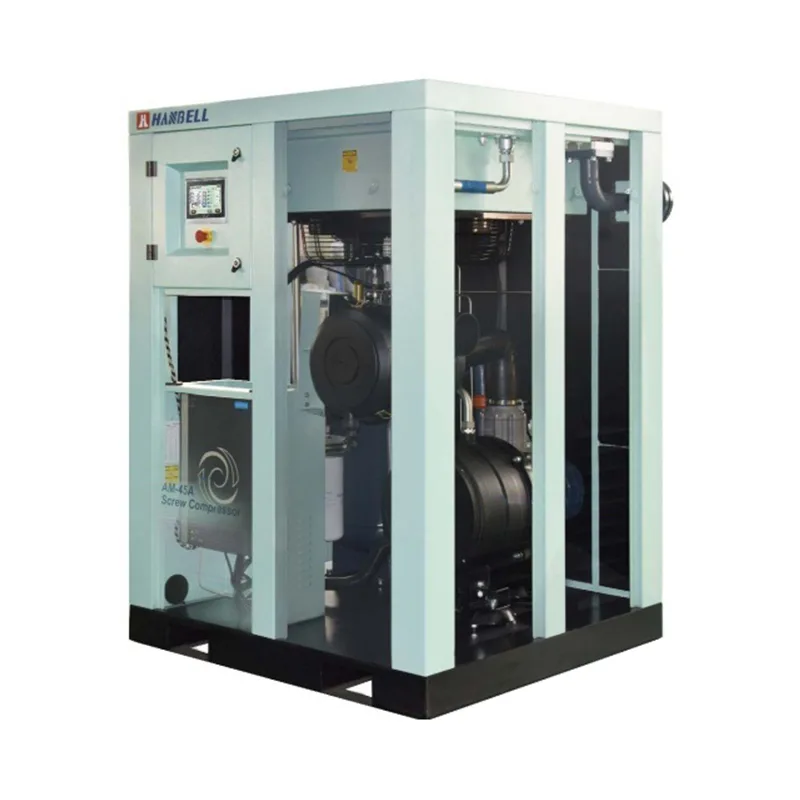
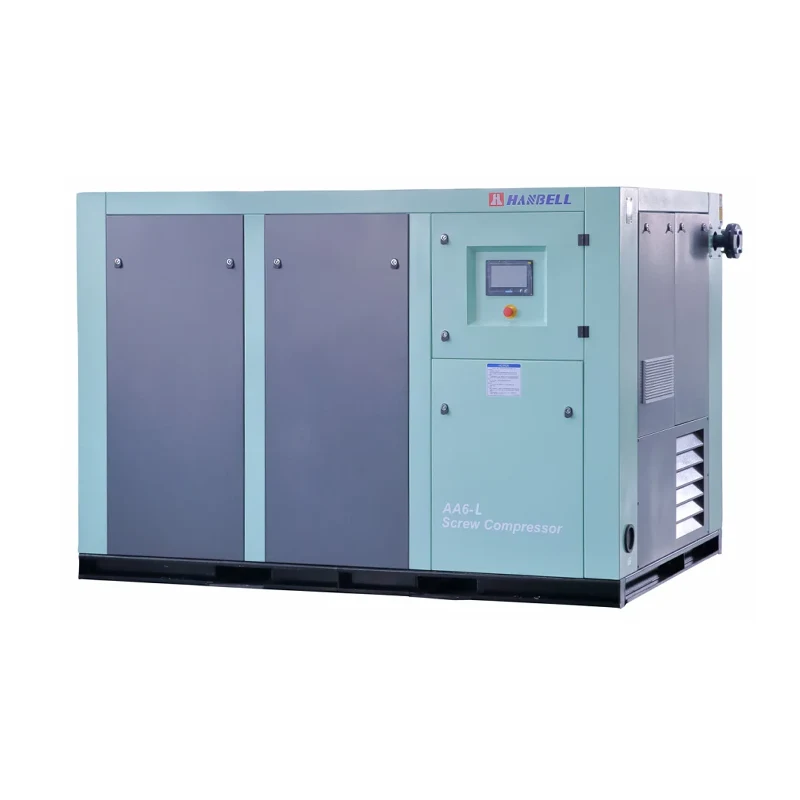
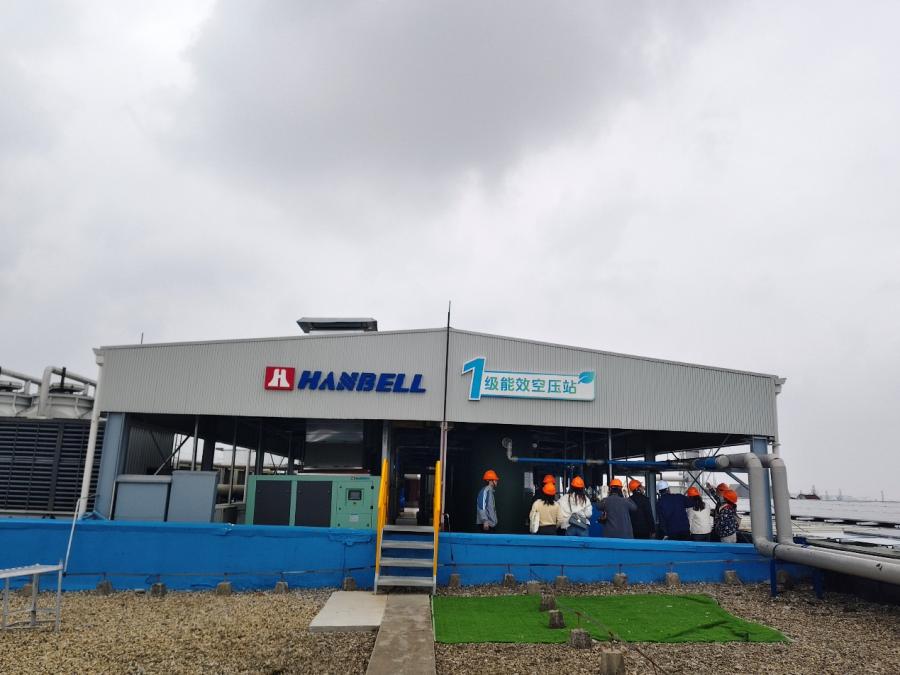
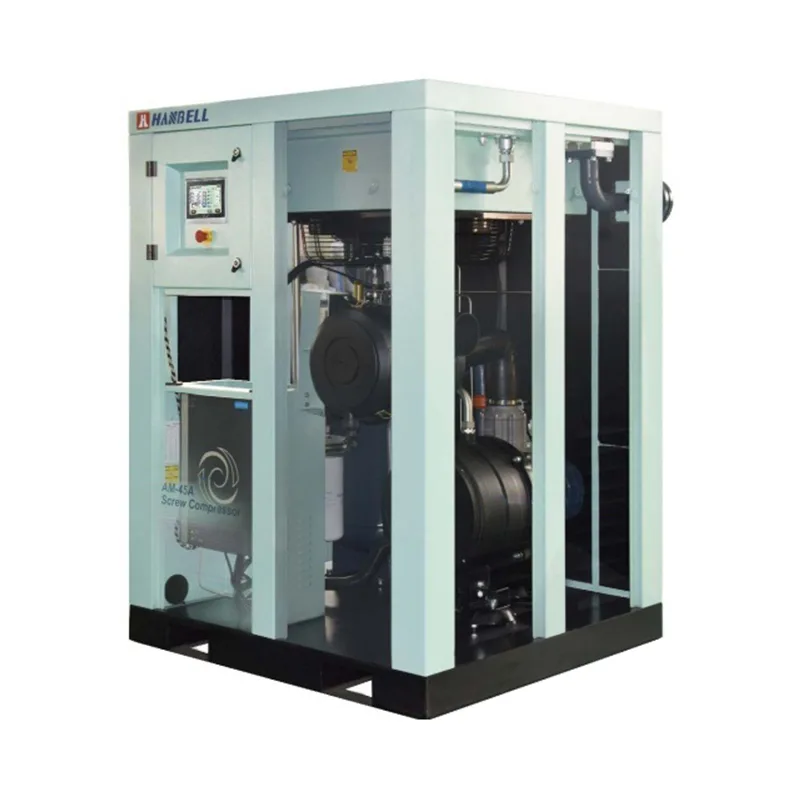
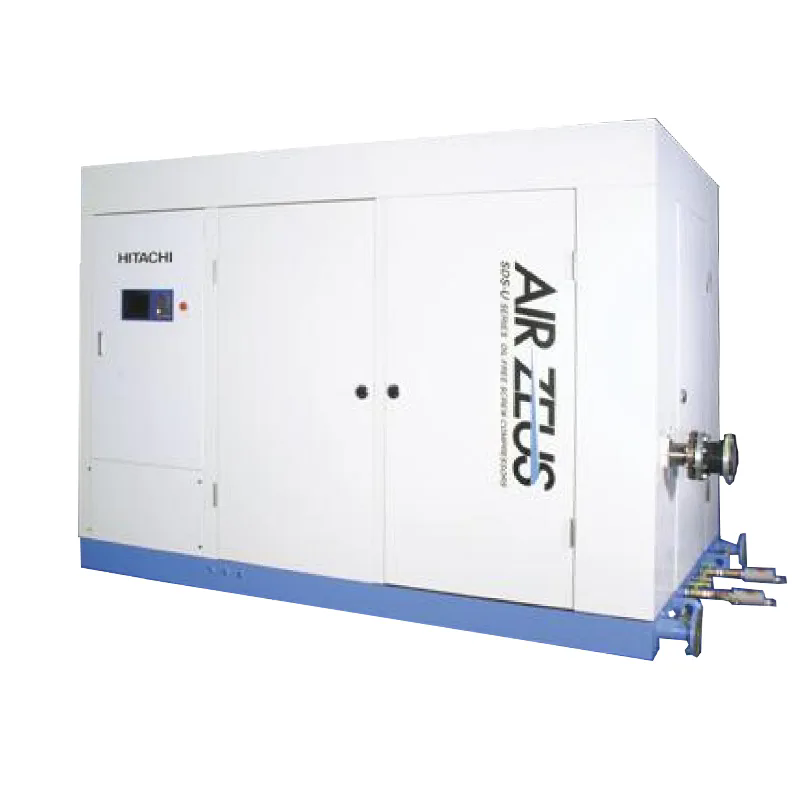
A screw heat pump is an industrial-grade heat pump system that uses a screw compressor as its core compression component. Unlike small-capacity scroll or piston compressors, the screw compressor is designed for continuous operation under high loads, making it suitable for large heating and cooling capacities.
The system transfers thermal energy from low-grade heat sources—such as air, water, wastewater, or industrial waste heat—into usable high-temperature heat. This process significantly reduces reliance on fossil fuels and electric resistance heating.
How a Screw Heat Pump Works
The working principle of a screw heat pump is based on a closed-loop thermodynamic cycle. The screw compressor plays a central role in maintaining stable compression and flow.
- Heat Absorption: The system extracts low-temperature heat from a heat source via the evaporator.
- Compression: The screw compressor compresses the refrigerant, increasing its pressure and temperature.
- Heat Release: High-temperature refrigerant releases heat through the condenser to the heating system.
- Expansion: The refrigerant pressure is reduced and the cycle repeats.
This continuous and stable cycle allows the screw heat pump to deliver consistent heating performance even under fluctuating load conditions.
Key Customer Pain Points Addressed
Industrial and commercial users often face several challenges with conventional heating systems. Screw heat pumps are designed to address these issues directly.
- High energy consumption and rising operating costs
- Unstable performance during long-term operation
- Frequent maintenance and component wear
- Limited heating capacity for large facilities
- Environmental pressure to reduce emissions
By utilizing efficient compression technology and renewable heat sources, screw heat pumps provide a balanced solution to these concerns.
Core Advantages of Screw Heat Pump Systems
| Aspect | Performance Description |
|---|---|
| Energy Efficiency | High coefficient of performance with stable output under heavy loads |
| Reliability | Designed for continuous industrial operation with reduced downtime |
| Capacity Range | Supports large-scale heating and cooling demands |
| Operating Stability | Low vibration and smooth compression process |
| Environmental Impact | Lower carbon emissions compared with traditional boilers |
Typical Applications and Use Cases
Screw heat pumps are widely used across multiple sectors where large heating loads and reliability are required.
- Industrial manufacturing plants
- District and centralized heating systems
- Hotels, hospitals, and large commercial buildings
- Food processing and agricultural facilities
- Waste heat recovery projects
These systems are particularly effective in environments where heat demand is continuous and predictable.
How to Choose the Right Screw Heat Pump
Selecting the appropriate screw heat pump requires a structured evaluation of technical and operational factors.
- Required heating capacity and temperature range
- Available heat source type and stability
- System integration with existing infrastructure
- Long-term operating cost considerations
- Manufacturer experience and technical support
Working with an experienced supplier such as Yuzhen can help ensure proper system design and long-term performance.
Screw Heat Pump vs Traditional Systems
| System Type | Energy Use | Operating Cost | Stability |
|---|---|---|---|
| Screw Heat Pump | Low | Optimized | High |
| Gas Boiler | High | Fluctuating | Medium |
| Electric Heater | Very High | High | High |
Frequently Asked Questions
What makes a screw heat pump suitable for industrial use?
The screw compressor is designed for high-load, long-duration operation, making it ideal for industrial environments that require continuous heating.
Can a screw heat pump operate in cold climates?
Yes. With proper system configuration and heat source selection, screw heat pumps can maintain stable performance even in low ambient temperatures.
Is maintenance complicated for screw heat pumps?
Routine maintenance is straightforward, and the robust compressor design helps reduce unexpected failures and service interruptions.
Conclusion and Contact
A screw heat pump is a proven solution for industries seeking efficient, reliable, and scalable heating systems. By addressing core operational challenges and supporting sustainable energy use, it delivers long-term value across diverse applications. With extensive experience in compressor and heat pump technologies, Yuzhen provides solutions tailored to demanding industrial environments.
If you are evaluating a high-capacity heating or cooling system and want to explore how a screw heat pump can support your project goals, contact us today to discuss technical details and customized solutions.
Related News
- How Air Conditioning Screw Compressor Technology Supports Low-Carbon Cooling
- Why Does Compressed Air Demand Fluctuation Affect Compressor Selection?
- Variable Frequency Screw Air Compressor: How Energy-Saving Technology Is Changing Industrial Compressed Air Systems
- Why Two stage Compression Variable Frequency Screw Air Compressors Are Changing the Game
- Optimizing Industrial Efficiency: The Easy-Maintainable Two-Stage Permanent Magnet Variable Frequency Air Compressor
- The "Dual-Core" Era of Compressed Air: Why Two-Stage PM VFD Compressors Are Becoming the Energy-Saving Gold Standard
Leave me a message