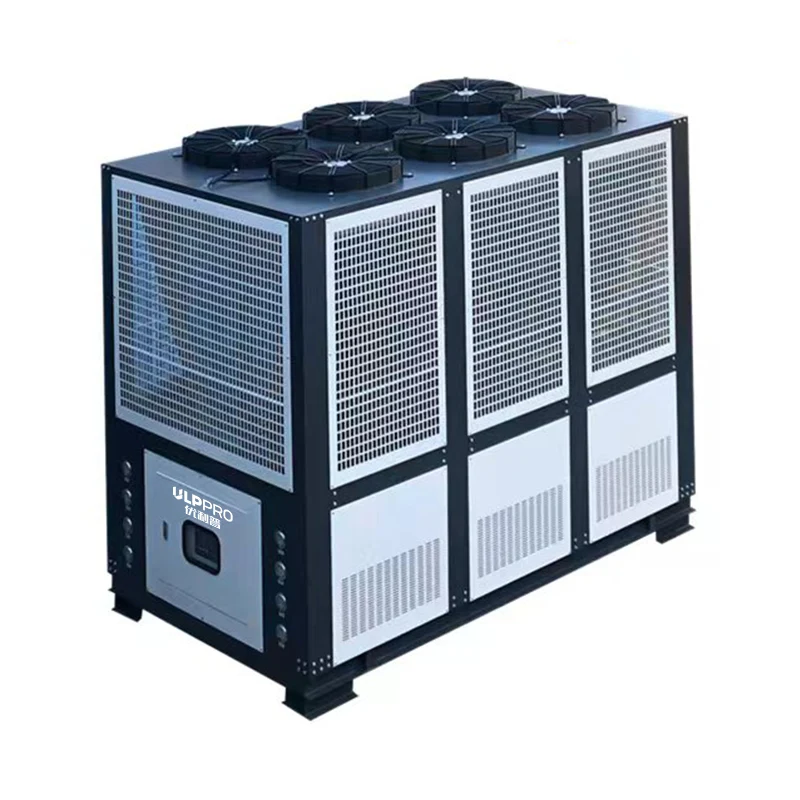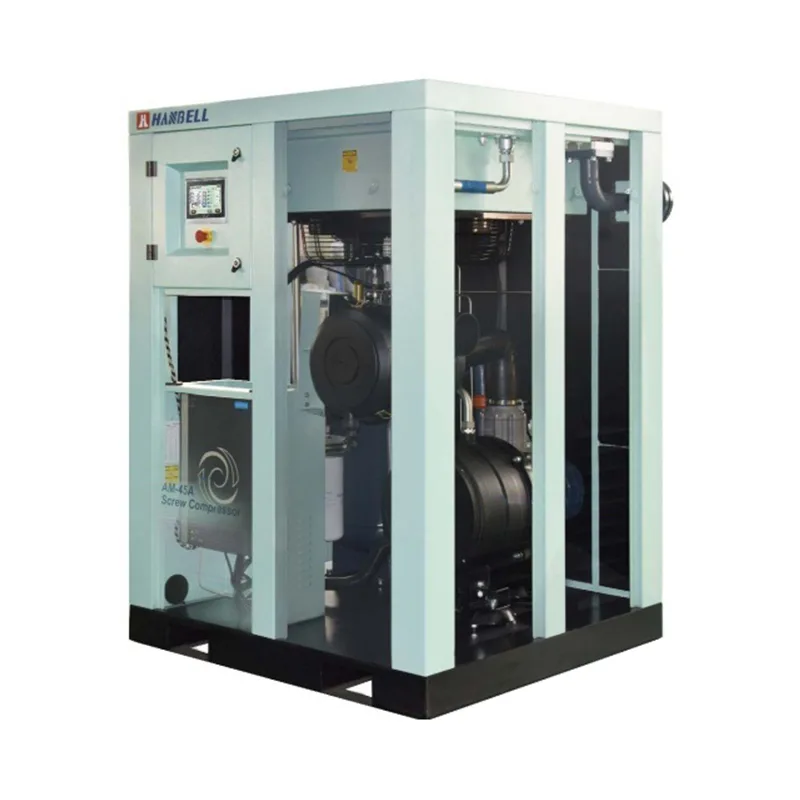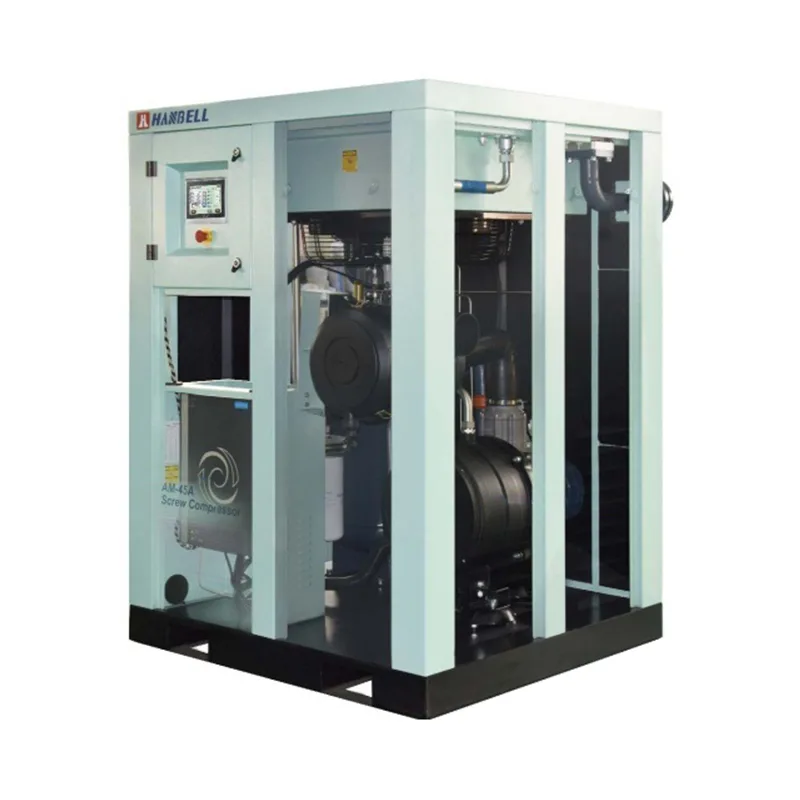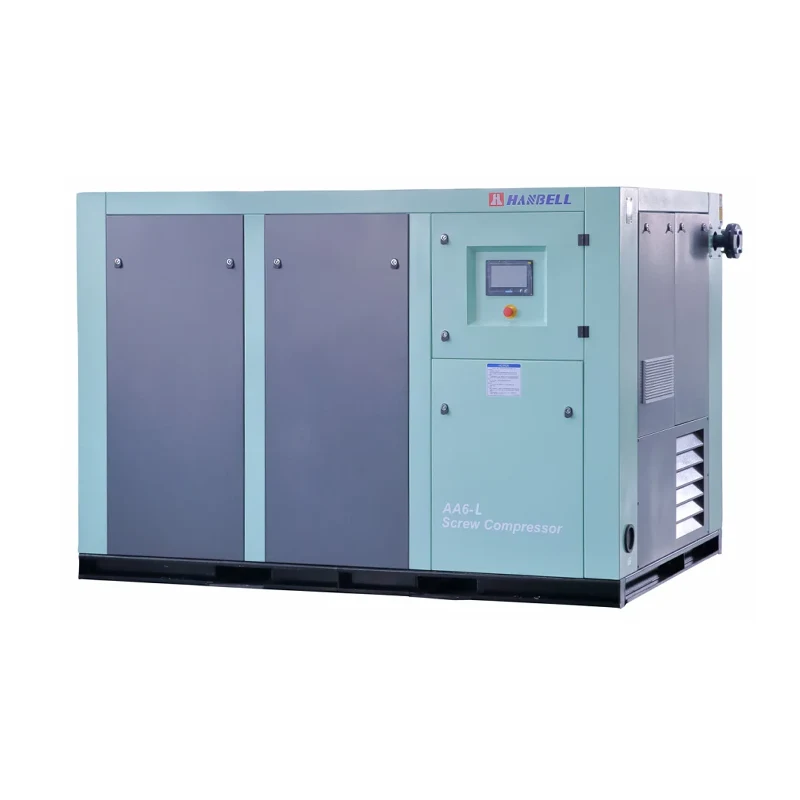
Article Summary: A Refrigerant Screw Compressor is a core component in modern industrial and commercial refrigeration systems. Designed for continuous operation, stable performance, and energy efficiency, it addresses common challenges such as high energy consumption, unstable cooling output, and maintenance complexity. This article explains how refrigerant screw compressors work, their technical characteristics, key applications, and how they deliver long-term operational value.
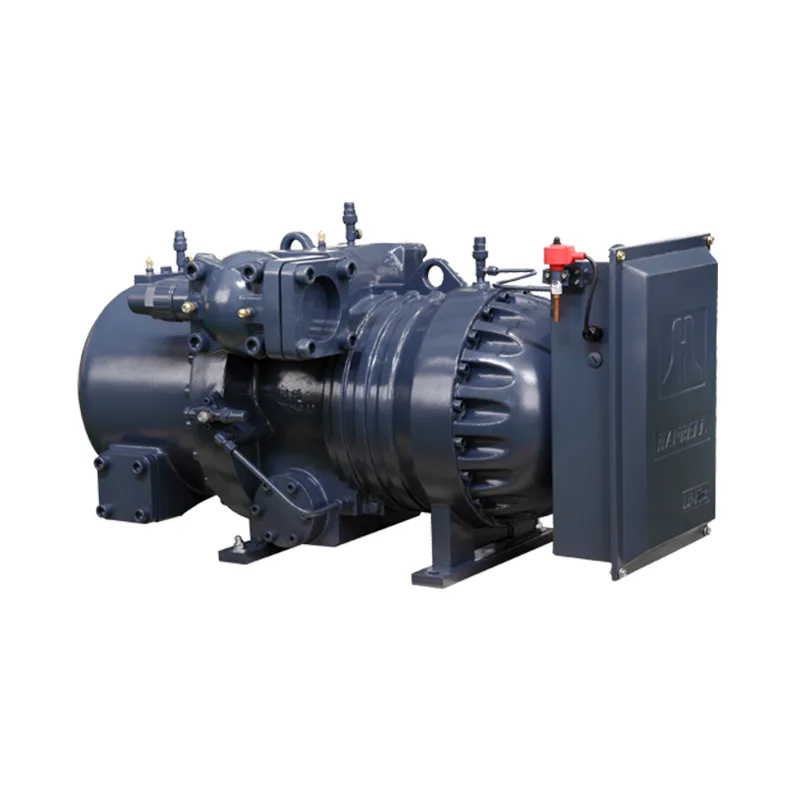
Table of Contents
- Overview of Refrigerant Screw Compressors
- Common Cooling Challenges in Industrial Refrigeration
- How a Refrigerant Screw Compressor Works
- Key Technical Parameters and Features
- Typical Applications and Industries
- Frequently Asked Questions
- Conclusion and Contact
Overview of Refrigerant Screw Compressors
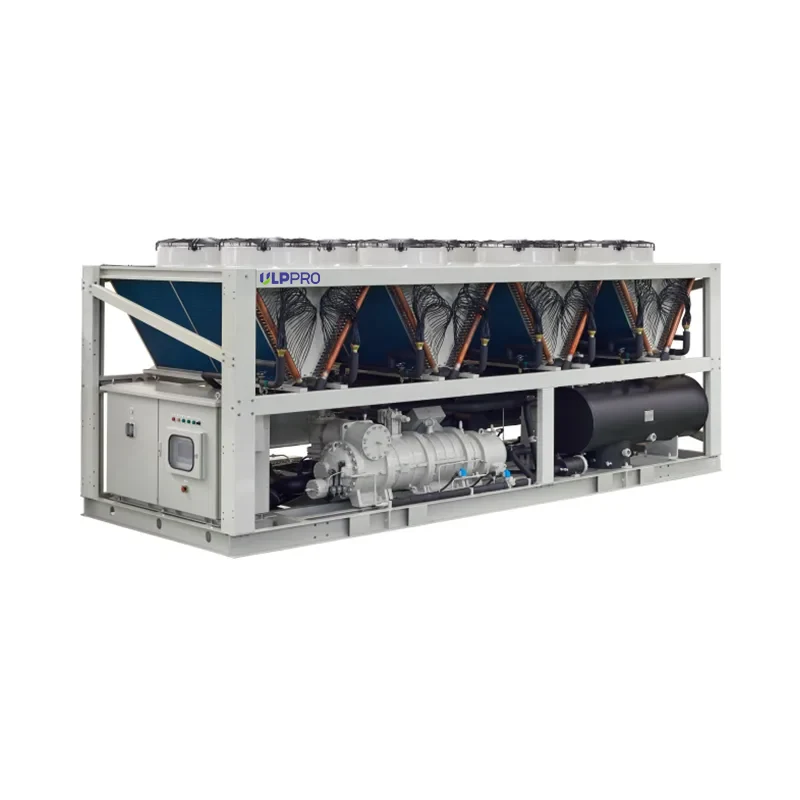
A Refrigerant Screw Compressor is a positive displacement compressor that uses two intermeshing helical rotors to compress refrigerant gas. Compared with piston-based systems, screw compressors are designed for higher reliability, smoother operation, and consistent cooling capacity under variable load conditions.
These compressors are widely used in industrial refrigeration, cold storage facilities, chemical processing, food and beverage production, and large HVAC systems. Their ability to operate continuously with minimal vibration makes them suitable for demanding environments where downtime is costly.
Common Cooling Challenges in Industrial Refrigeration
Industrial refrigeration systems often face several operational and cost-related challenges that directly impact productivity and energy efficiency. A properly designed refrigerant screw compressor helps address these issues:
- High energy consumption caused by inefficient compression cycles
- Frequent maintenance and component wear in traditional compressors
- Unstable cooling output under fluctuating load conditions
- Excessive noise and vibration affecting workplace safety
- Difficulty maintaining precise temperature control
By optimizing internal compression geometry and integrating advanced control systems, refrigerant screw compressors deliver reliable performance while reducing operational risks.
How a Refrigerant Screw Compressor Works
The compression process inside a refrigerant screw compressor relies on the synchronized rotation of male and female rotors. As refrigerant gas enters the compressor housing, it becomes trapped between the rotors and the casing. The gradual reduction of internal volume compresses the gas smoothly and efficiently.
Unlike reciprocating compressors, there are no suction or discharge valves. This design minimizes pressure losses and mechanical stress, resulting in improved efficiency and longer service life. Continuous compression also ensures stable refrigerant flow, which is essential for large-scale refrigeration systems.
Key Technical Parameters and Features
| Parameter | Description |
|---|---|
| Compressor Type | Oil-injected or oil-free screw compressor |
| Cooling Capacity | Wide capacity range suitable for medium to large systems |
| Refrigerants | Compatible with common refrigerants such as R134a, R404A, R507, and others |
| Drive Method | Direct drive or belt drive options |
| Control Mode | Automatic capacity regulation with PLC or intelligent controller |
| Operating Stability | Low vibration and continuous operation capability |
| Manufacturer | Yuzhen |
These features allow system designers to configure refrigeration solutions that balance energy efficiency, reliability, and precise temperature control.
Typical Applications and Industries
Refrigerant screw compressors are engineered to support a wide range of industrial and commercial applications. Their adaptability makes them suitable for environments where cooling demand is both high and variable.
- Cold storage warehouses and logistics centers
- Food processing and beverage production lines
- Chemical and pharmaceutical manufacturing
- Large-scale HVAC and district cooling systems
- Ice rinks and industrial freezing equipment
In these applications, consistent temperature control and long-term operational stability are critical, making screw compressor technology a preferred choice.
Frequently Asked Questions
What makes a refrigerant screw compressor suitable for continuous operation?
The internal rotor-based compression mechanism reduces mechanical wear and eliminates frequent start-stop cycles. This allows the compressor to operate continuously with stable performance and minimal maintenance requirements.
How does a screw compressor improve energy efficiency?
By providing smooth, continuous compression and precise capacity control, energy losses are minimized. The system adjusts output based on actual cooling demand, reducing unnecessary power consumption.
Is a refrigerant screw compressor difficult to maintain?
Maintenance is generally straightforward due to fewer moving parts and robust construction. Regular inspection of lubrication, filters, and seals helps ensure long service life.
Can screw compressors handle fluctuating cooling loads?
Yes. Advanced capacity regulation systems allow the compressor to adapt quickly to load changes, maintaining stable temperatures even under varying operating conditions.
Conclusion and Contact
A Refrigerant Screw Compressor is a reliable and efficient solution for modern industrial refrigeration challenges. By delivering stable performance, reduced energy consumption, and long-term durability, it supports demanding applications where cooling reliability is essential.
Yuzhen provides professionally engineered refrigerant screw compressor solutions designed to meet diverse industrial requirements. For technical consultation, system selection, or customized solutions, contact us today to discuss how the right compressor system can enhance your refrigeration efficiency and operational reliability.