How Does a Screw Heat Pump Deliver Reliable and Efficient Heating?
Article Summary
Screw heat pumps have become a cornerstone in modern heating and cooling solutions due to their robust design, adaptability, and potential to reduce operating expenses in industrial and commercial environments. This article covers how screw heat pumps work, key components, performance indicators, practical considerations for implementation, and answers common client questions about the technology. The goal is to provide clear insights into what makes screw heat pumps effective and how they can address common pain points such as efficiency, reliability, maintenance, and application versatility.
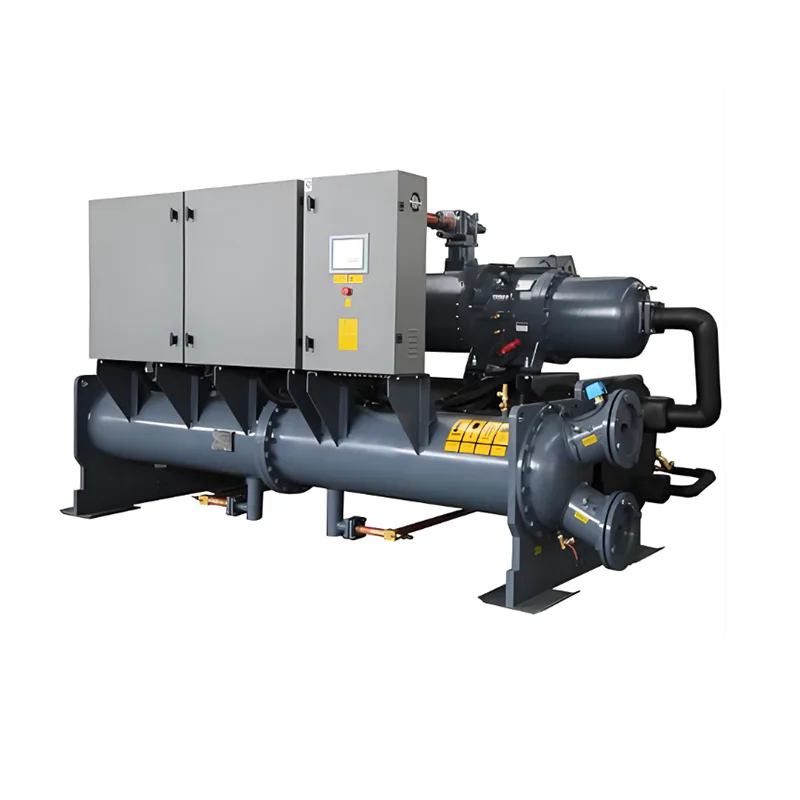
Table of Contents
- Introduction to Screw Heat Pump Technology
- Mechanical Structure and Core Components
- Performance Parameters and Operating Logic
- Common Applications Across Industry Segments
- Comparison with Alternative Heat Pump Systems
- Frequently Asked Questions
- Conclusion and How to Contact Yuzhen
Introduction to Screw Heat Pump Technology
A screw heat pump integrates a specialized rotary screw compressor into the heat pump refrigeration cycle to transfer thermal energy from one medium to another. The compressor’s twin or dual screws compress refrigerant continuously, providing a smooth flow of heat exchange that supports high-capacity heating or cooling without the pulsation and high vibration often found in reciprocating compressor-based systems. The robust mechanical design enables screw heat pumps to operate effectively over long periods with consistent output, making them suitable for industrial, commercial, and large residential installations.
Mechanical Structure and Core Components
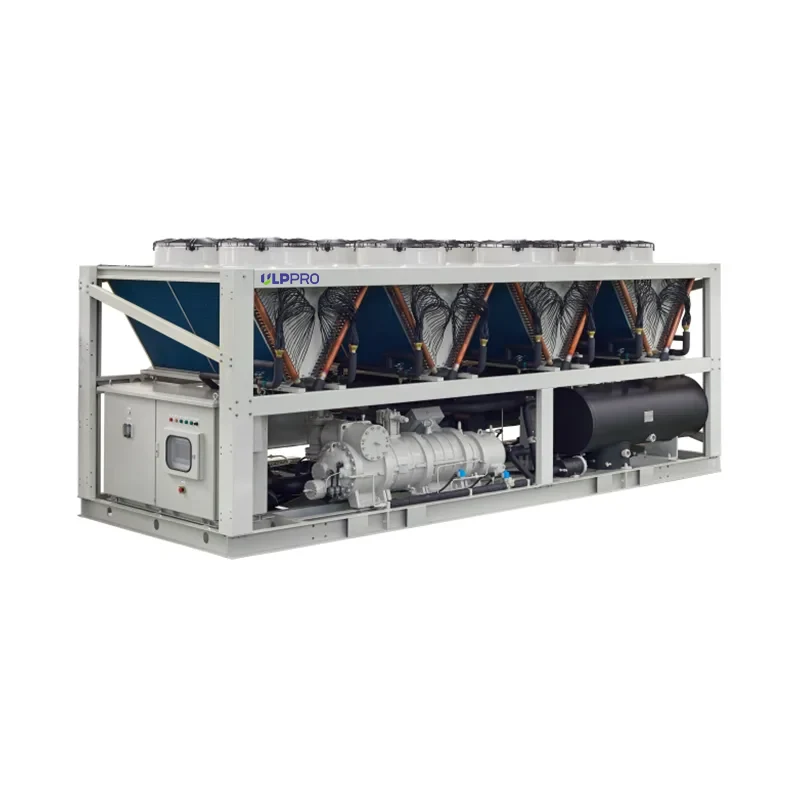
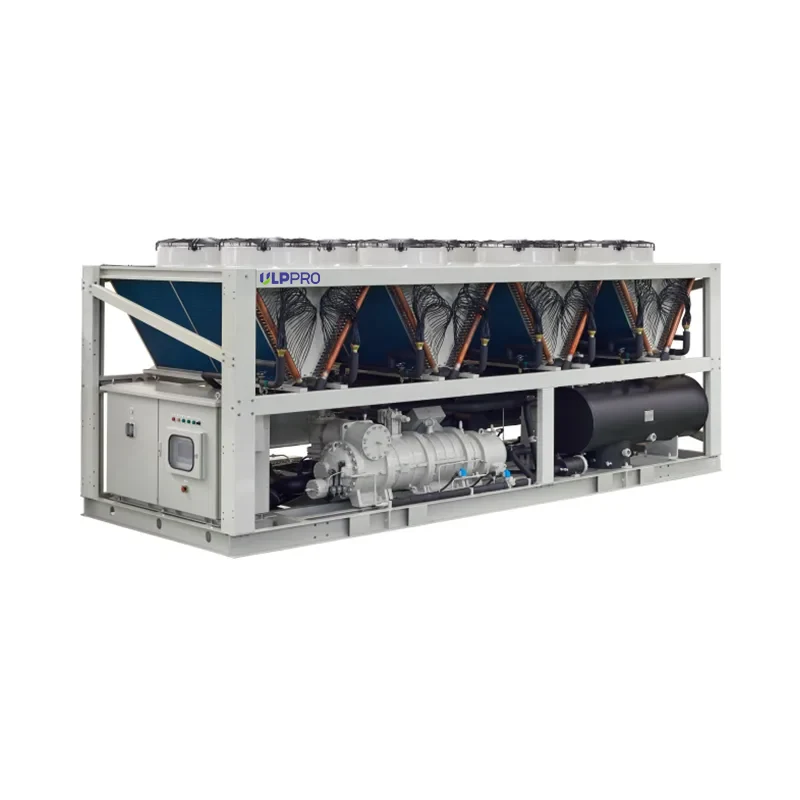
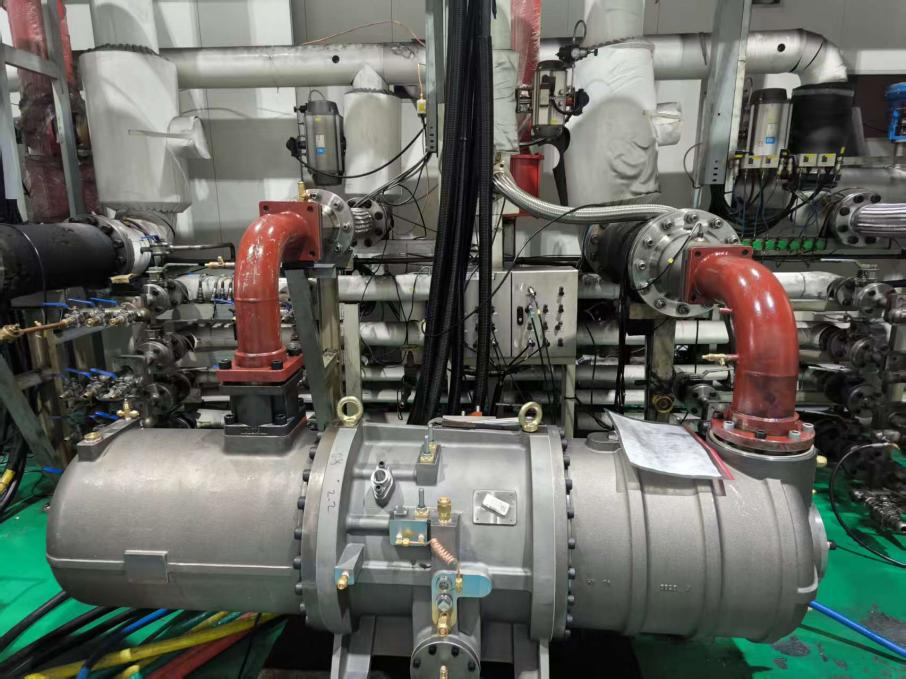
At the heart of a screw heat pump is the screw compressor. Unlike other compressor types, screw compressors use interlocking rotors to compress refrigerant with minimal mechanical resistance. The principal components include:
- Screw Compressor Unit: Dual intermeshing rotors that provide continuous compression with low vibration.
- Evaporator: Absorbs heat from ambient air, water, or ground sources.
- Condenser: Releases compressed refrigerant heat into the target medium, such as water or space heating circuits.
- Expansion Device: Reduces refrigerant pressure before it returns to the evaporator.
- Control System: Electronic management for capacity modulation and operational safety.
Performance Parameters and Operating Logic
Screw heat pumps are typically evaluated based on their coefficient of performance (COP), reliability under continuous load, operating temperature range, and adaptability to available heat sources. The table below outlines typical performance metrics used in specification and design:
| Performance Metric | Typical Range / Characteristic |
|---|---|
| Coefficient of Performance (COP) | 3.5 – 5.0 (Heat produced per unit of electrical input) |
| Operating Temperature Range | Low Temp: -20°C to High Temp: up to 120°C |
| Application Medium | Air, Water, Ground Heat Source |
| Capacity Modulation | Stepless or Multi-Stage Control |
| Sound & Vibration | Low due to continuous rotary action |
| Maintenance Interval | Extended, fewer wear and service points |
This continuous compression process and the ability to modulate capacity make screw heat pumps suitable for variable demand applications where stable, efficient heat delivery is necessary. Continuous operation and minimal mechanical stress contribute to reliability in long-term service environments. :contentReference[oaicite:0]{index=0}
Common Applications Across Industry Segments
Screw heat pumps are deployed in diverse settings where efficient thermal management is needed:
- Industrial Process Heating: Boilers and steam replacements for manufacturing processes.
- Commercial Hot Water Systems: Hotels, hospitals, and facilities requiring large volumes of hot water.
- District Heating Networks: Integration with central energy systems for community heating.
- Waste Heat Recovery: Capturing and reusing low-grade heat from industrial exhaust or wastewater.
Comparison with Alternative Heat Pump Systems
Compared to piston-driven compressors or scroll compressor heat pumps, screw heat pumps offer several definable differences:
- Continuous Flow Compression: Reduces vibration and improves part-load efficiency.
- Higher Capacity Range: Better suited for large-scale applications.
- Lower Maintenance Requirements: Simplified mechanical layout supports reduced service intervals.
- Noise Performance: Lower noise generation during operation.
These characteristics make screw heat pumps particularly attractive where operating stability and longevity under demanding conditions are priorities. :contentReference[oaicite:1]{index=1}
Frequently Asked Questions
Q: What makes a screw heat pump different from other heat pump types?
A: Screw heat pumps use a rotary screw compressor that delivers continuous compression with minimal vibration, providing stable thermal transfer and often higher capacity compared with reciprocating or scroll systems.
Q: Can screw heat pumps be used in industrial high-temperature applications?
A: Yes. Advanced screw heat pumps are designed to operate across a broad temperature range, making them suitable for high-temperature heating processes and large-scale thermal management projects.
Q: How do screw heat pumps contribute to operational cost savings?
A: The high efficiency of screw compression and continuous operation lowers electrical consumption relative to traditional heating systems, reducing both utility expenses and maintenance costs over the system lifecycle.
Conclusion and How to Contact Yuzhen
Screw heat pump technology offers reliable, efficient heating solutions for commercial and industrial environments, with performance advantages that address many customer concerns around energy use, system longevity, and operational flexibility. By integrating robust mechanical design with widely applicable thermal transfer capabilities, screw heat pumps continue to be a strategic choice for high-demand heating applications.
For tailored system recommendations, technical specifications, or project planning support with Yuzhen’s screw heat pump solutions, please contact us through our official inquiry channels. The team is ready to assist with optimized configurations and application guidance to meet your project’s unique requirements.
Related News
- How Air Conditioning Screw Compressor Technology Supports Low-Carbon Cooling
- Why Does Compressed Air Demand Fluctuation Affect Compressor Selection?
- Variable Frequency Screw Air Compressor: How Energy-Saving Technology Is Changing Industrial Compressed Air Systems
- Why Two stage Compression Variable Frequency Screw Air Compressors Are Changing the Game
- Optimizing Industrial Efficiency: The Easy-Maintainable Two-Stage Permanent Magnet Variable Frequency Air Compressor
- The "Dual-Core" Era of Compressed Air: Why Two-Stage PM VFD Compressors Are Becoming the Energy-Saving Gold Standard
Leave me a message