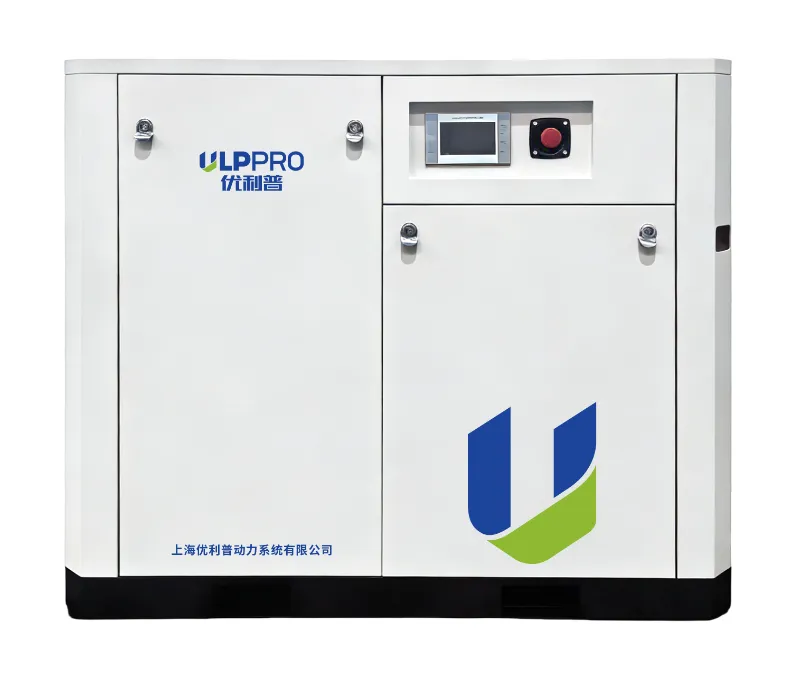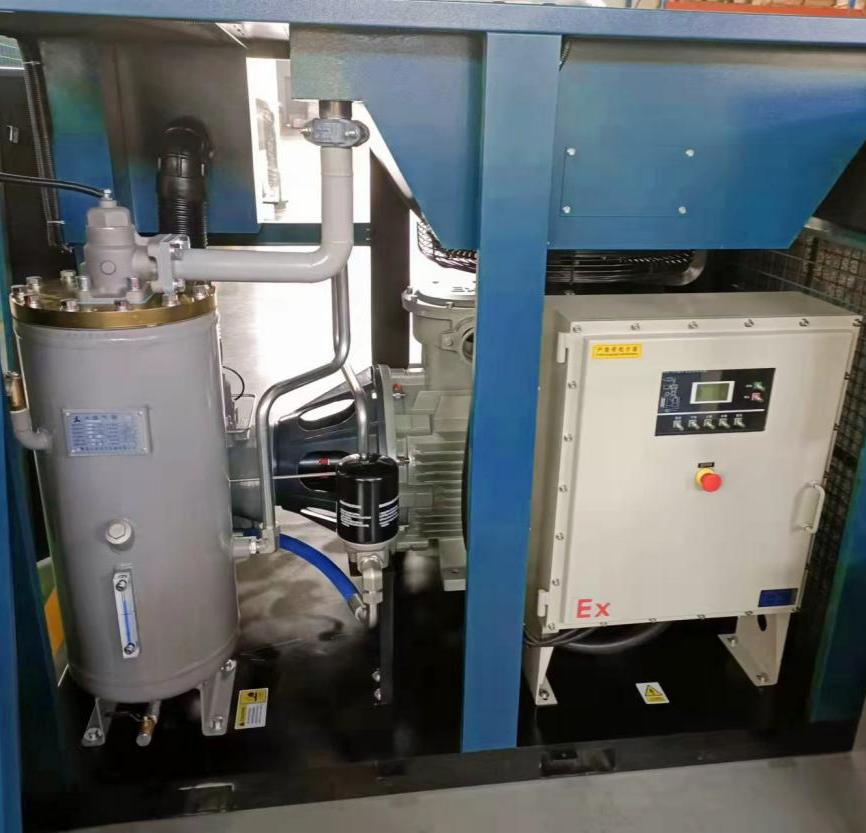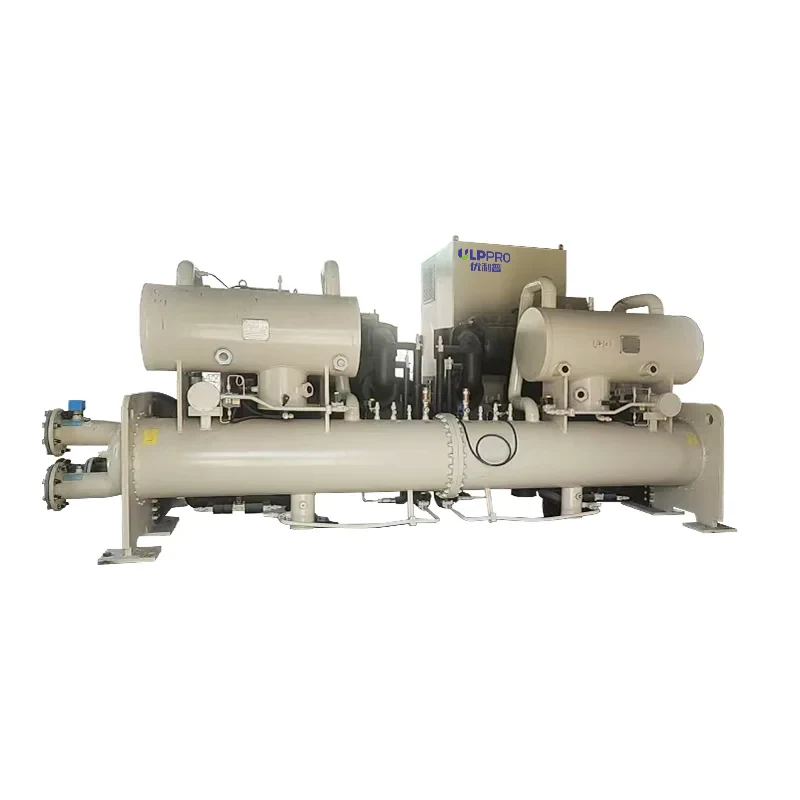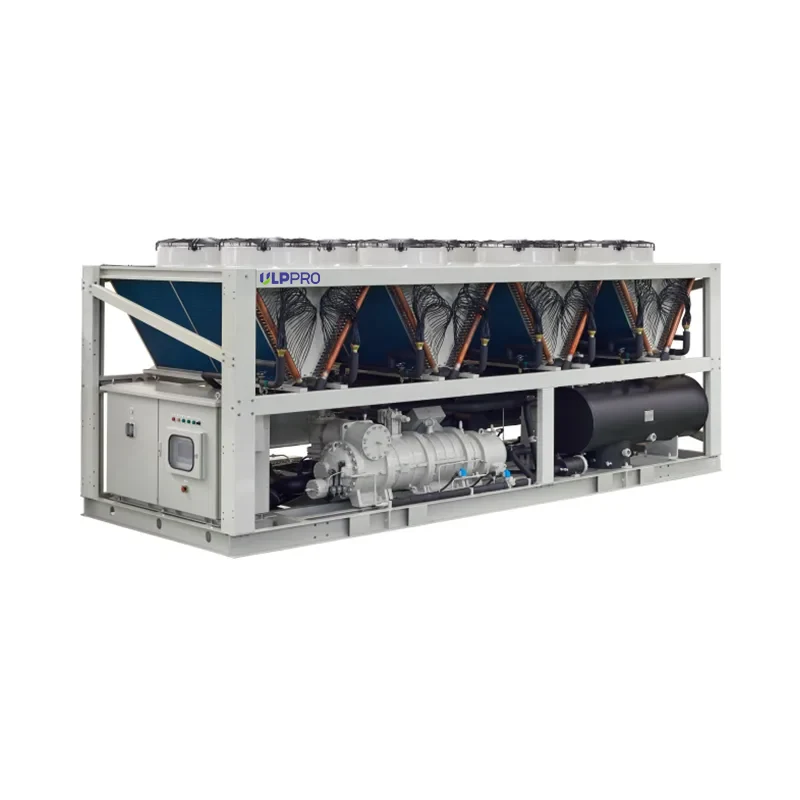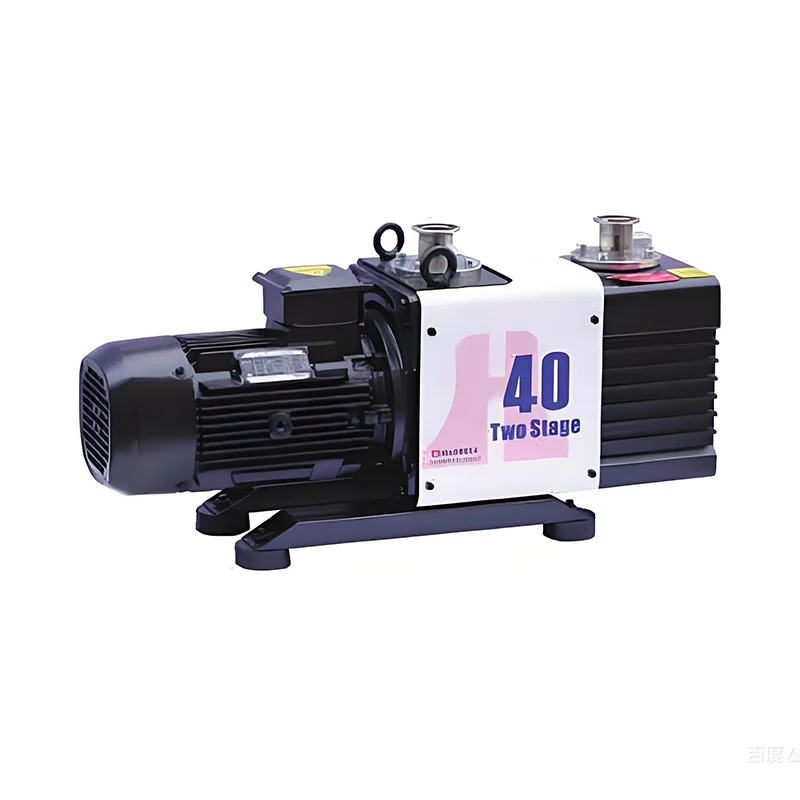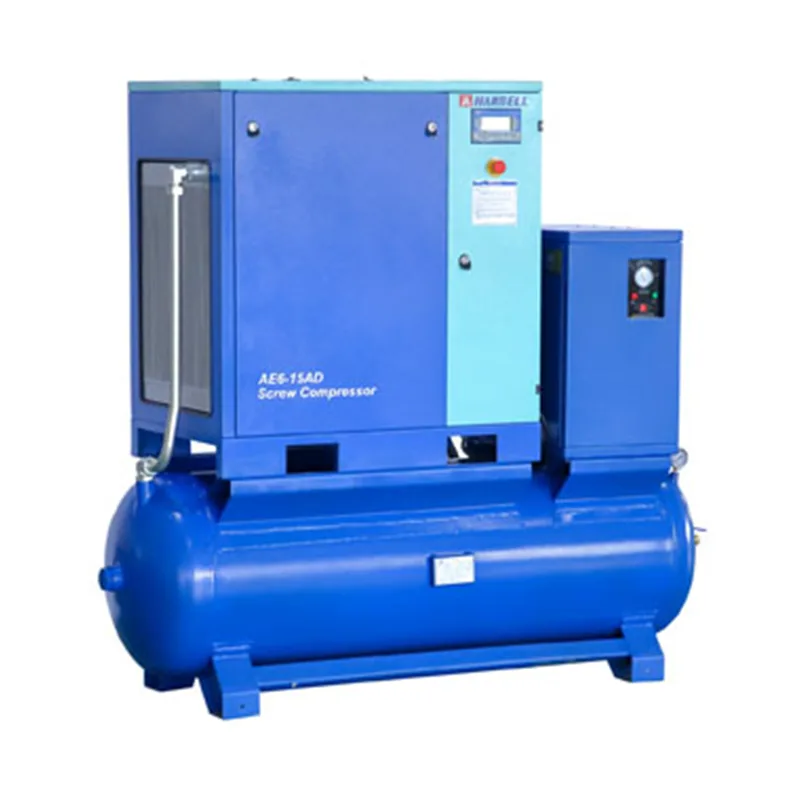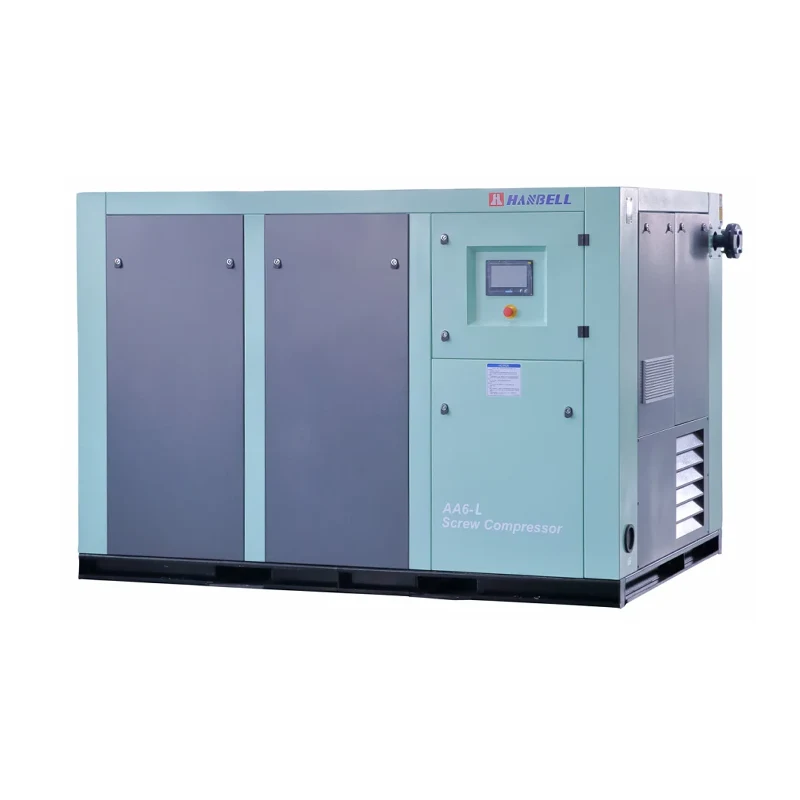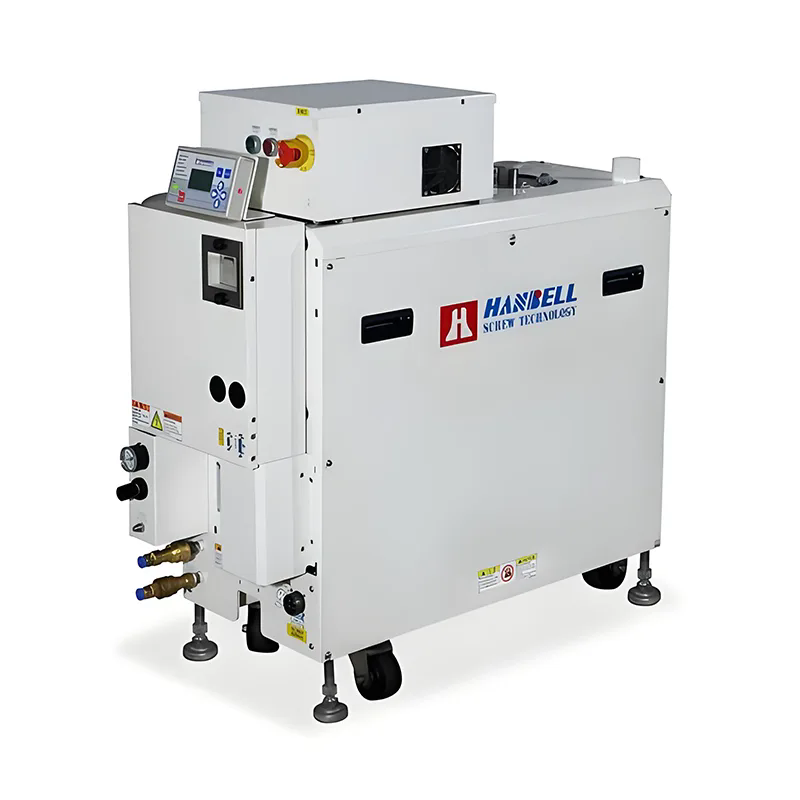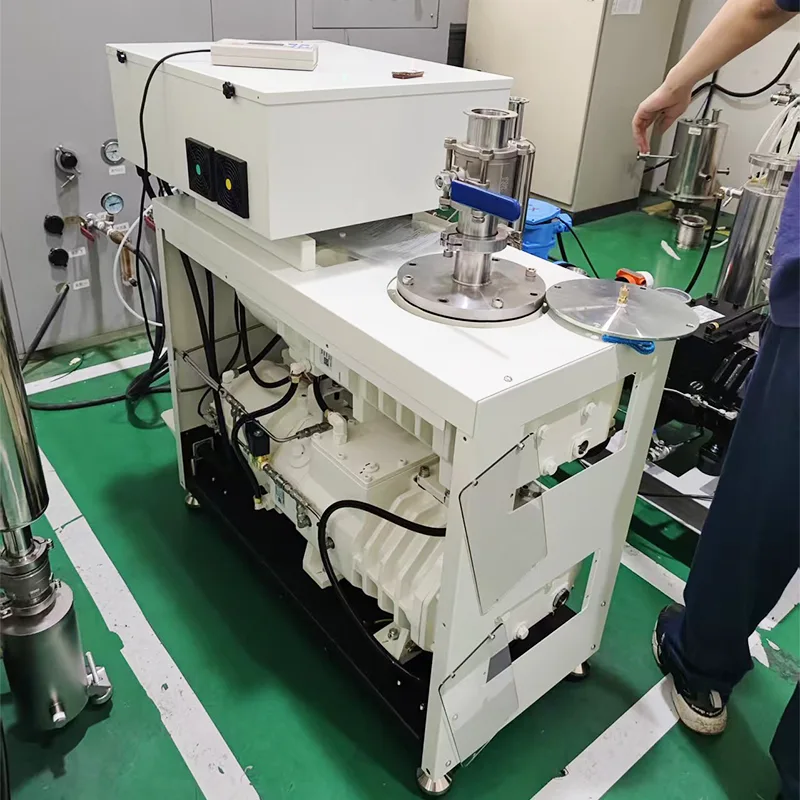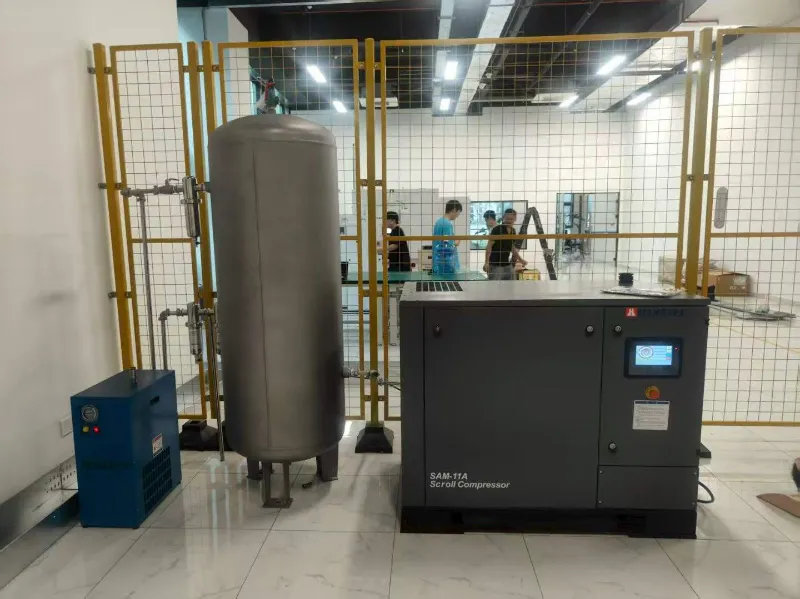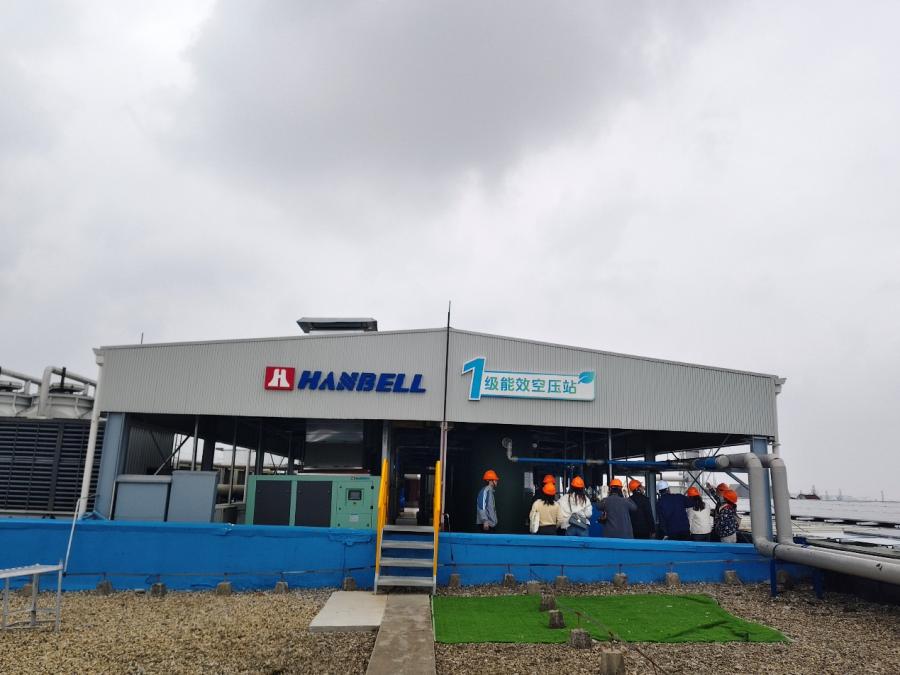
Yuzhen and industrial energy specialists are observing how Air Conditioning Screw Compressor technology is changing cooling systems through energy efficiency improvements, smarter operation, and waste heat utilization.
The demand for cooling continues to increase across industrial facilities, commercial buildings, and infrastructure projects. At the same time, energy consumption from cooling equipment has become an important topic in discussions about carbon reduction. According to industry analysis, air conditioning and cooling systems represent a significant share of global electricity demand, making efficiency improvements a key pathway for reducing environmental impact.
Modern cooling development is no longer focused only on achieving lower temperatures. More attention is being placed on how efficiently a system uses electricity, how it responds to changing loads, and whether wasted energy can be recovered. Within this trend, compressor technology has become one of the important factors affecting the overall performance of refrigeration and air conditioning systems.
Why Compressor Efficiency Matters in Low-Carbon Cooling
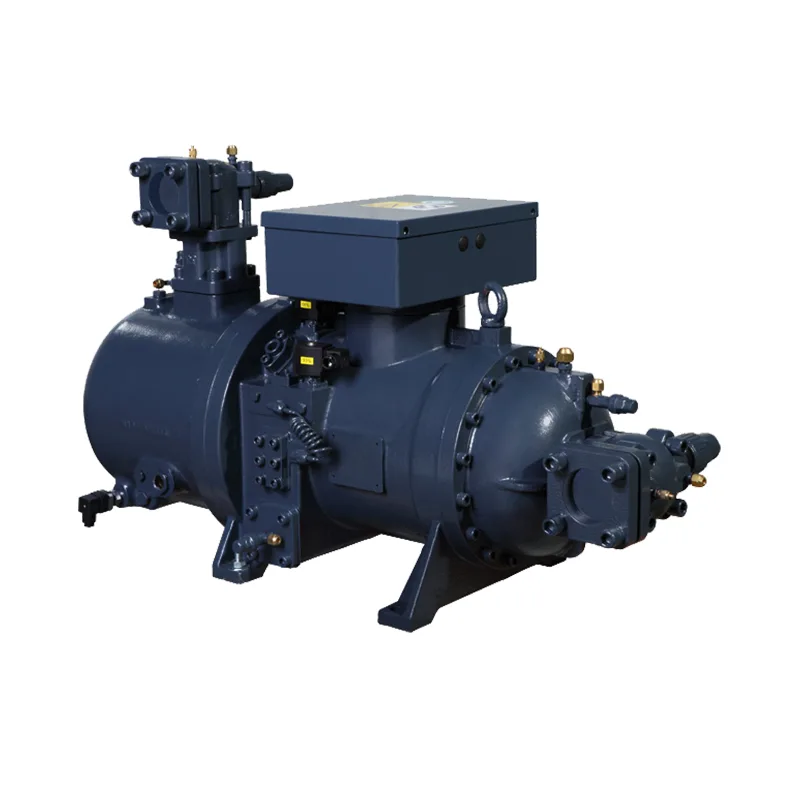
The compressor is the core component responsible for circulating refrigerant and maintaining the cooling cycle. In large-scale cooling applications, even small improvements in compressor efficiency can influence total energy consumption over thousands of operating hours.
Traditional cooling systems often operate under changing conditions. A factory may require high cooling capacity during production periods but much less capacity during idle hours. If equipment continues operating at a fixed output, unnecessary energy consumption can occur.
This is why variable control technologies have become increasingly common in modern HVAC systems. Variable frequency drives allow compressor speed to adjust according to actual demand instead of maintaining constant operation. Studies on high-efficiency cooling systems have highlighted that variable-speed compressor operation can improve seasonal efficiency by reducing losses during partial-load conditions.
For large commercial and industrial applications, the development of Air Conditioning Screw Compressor systems reflects this shift toward flexible and efficient operation.
| Technology Trend | Influence on Cooling Performance |
|---|---|
| Variable frequency control | Adjusts output based on real cooling demand |
| Improved motor and inverter coordination | Helps reduce electricity losses |
| Advanced control systems | Enables more accurate system management |
| Low-GWP refrigerant compatibility | Supports environmental goals |
From Cooling Equipment to Energy Management Systems
A major change in modern industrial cooling is the move from individual equipment improvement toward complete energy management.
A cooling system does not operate separately from other industrial processes. Heat generated during compressor operation, production processes, or equipment operation can sometimes be recovered and reused. Instead of releasing this energy into the environment, facilities can integrate heat recovery systems for hot water preparation, heating processes, or other thermal requirements.
Shanghai Yuzhen Machinery Co., Ltd. has been involved in industrial fluid and thermal energy system applications for more than 20 years, covering air compressors, vacuum systems, refrigeration equipment, heat pumps, and related energy solutions. Its experience with industrial waste heat recovery projects reflects the growing attention toward improving overall energy utilization rather than focusing only on individual machines.
Examples of industrial heat recovery applications include:
| Source of Waste Heat | Possible Utilization |
|---|---|
| Air compressor operation | Hot water production and process heating |
| Industrial production processes | Steam generation or thermal reuse |
| Power generation systems | Additional heating applications |
| Pharmaceutical production | Recovery of heat for facility energy needs |
These approaches demonstrate that carbon reduction can involve better use of existing energy resources. Improving the efficiency of energy circulation can reduce waste while supporting more balanced industrial operations.
How Screw Compressor Technology Adapts to Modern Cooling Requirements
Industrial cooling systems often face complicated operating conditions. Temperature requirements may change throughout the day, production schedules may vary, and equipment may need to maintain stable operation under different loads.
A modern screw compressor design focuses on balancing several factors:
Stable Operation During Long Working Hours
Many industrial cooling systems operate continuously. Equipment must maintain consistent performance while reducing unnecessary energy consumption during periods of lower demand.
Better Performance Under Partial Load
Full-load efficiency is important, but many systems spend most of their operating time under partial-load conditions. Optimizing performance in these situations can have a significant impact on annual energy usage.
Integration With Intelligent Monitoring
Digital monitoring systems allow operators to track operating parameters such as temperature, pressure, energy consumption, and equipment status. This information helps identify inefficient operation and supports timely adjustments.
Recent HVAC development has increasingly combined compressor improvements with motor control and inverter technologies because the interaction between these components directly affects system efficiency.
The Role of Low-GWP Refrigerants in Future Cooling Systems
Energy efficiency is only one part of low-carbon cooling. Refrigerant selection is also becoming an important consideration as regulations and environmental requirements continue to evolve.
Many cooling systems are moving toward refrigerants with lower global warming potential (GWP). However, changing refrigerants requires careful consideration of system design, safety requirements, operating conditions, and long-term reliability.
Future compressor technologies need to work effectively with changing refrigerant options while maintaining stable performance. Industry research shows that sustainable HVAC development involves multiple factors, including energy efficiency, refrigerant management, digital control, and lifecycle performance.
Industrial Applications Driving Cooling Innovation
Different industries have different cooling challenges. Food processing requires temperature stability, pharmaceutical facilities need precise environmental control, and manufacturing plants often require continuous cooling for equipment protection.
The increasing complexity of these applications is encouraging the development of more adaptable cooling systems.
Common application areas include:
- Industrial production facilities requiring process cooling
- Commercial buildings with centralized HVAC systems
- Data-related infrastructure requiring reliable temperature control
- Chemical and pharmaceutical industries with strict thermal requirements
- Energy systems that combine cooling and heat recovery
In these environments, cooling efficiency is connected with production stability, energy management, and environmental objectives.
Future Trends in Low-Carbon Cooling Technology
The future of cooling technology is expected to focus on system optimization rather than a single equipment upgrade. Several trends are becoming increasingly important:
- Smarter operation: Cooling systems will continue integrating sensors, automation, and data analysis to improve efficiency.
- Higher partial-load efficiency: Equipment design will pay more attention to real operating conditions instead of only laboratory performance.
- Energy recovery integration: More industries are expected to explore ways to reuse heat generated during operation.
- Environmental compatibility: Refrigerant development and compressor technology will continue evolving together.
These changes indicate that cooling systems are becoming part of broader industrial energy strategies. The goal is not simply producing cooling capacity but achieving efficient energy conversion throughout the entire operating process.
The development of Air Conditioning Screw Compressor technology shows how industrial cooling is moving toward lower energy consumption, smarter control, and improved resource utilization. Through its involvement in industrial fluid and thermal energy systems, Shanghai Yuzhen Machinery Co., Ltd. reflects the wider industry transition toward more efficient cooling practices. Future cooling solutions will continue to depend on balanced improvements in compressor performance, system management, and energy recovery methods.