Screw Compressor Supplier & Factory
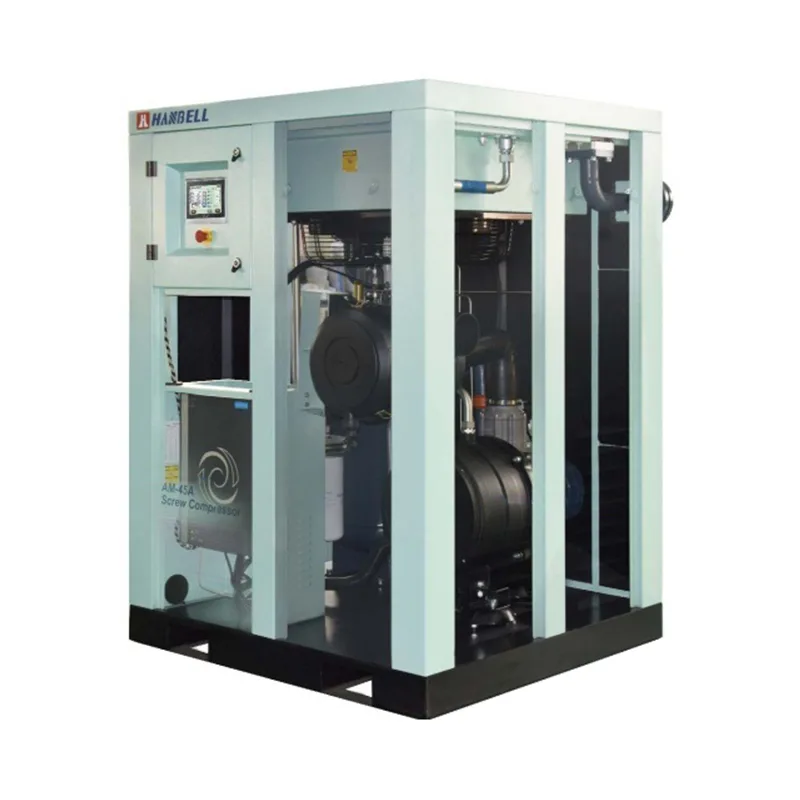
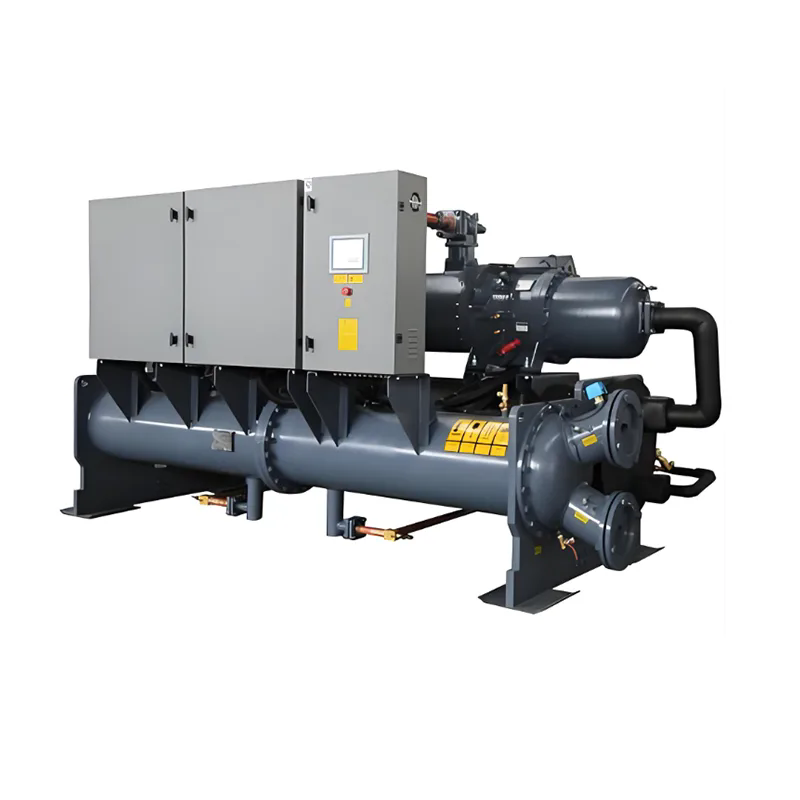
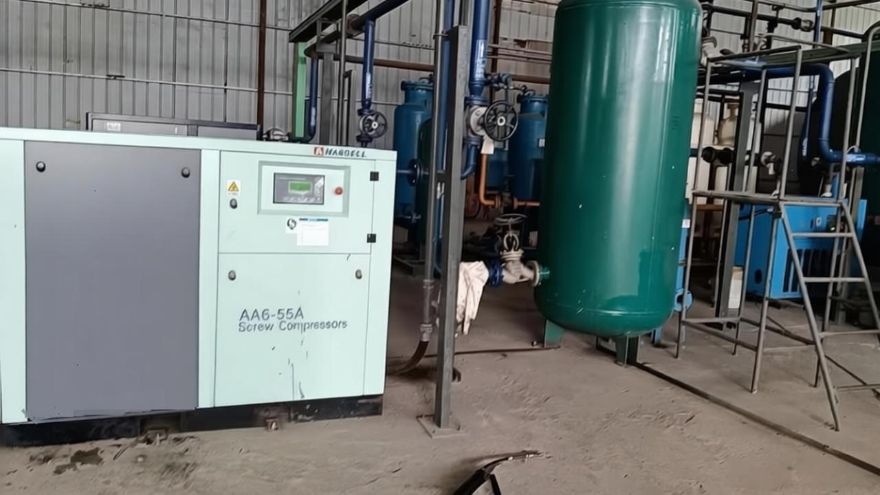
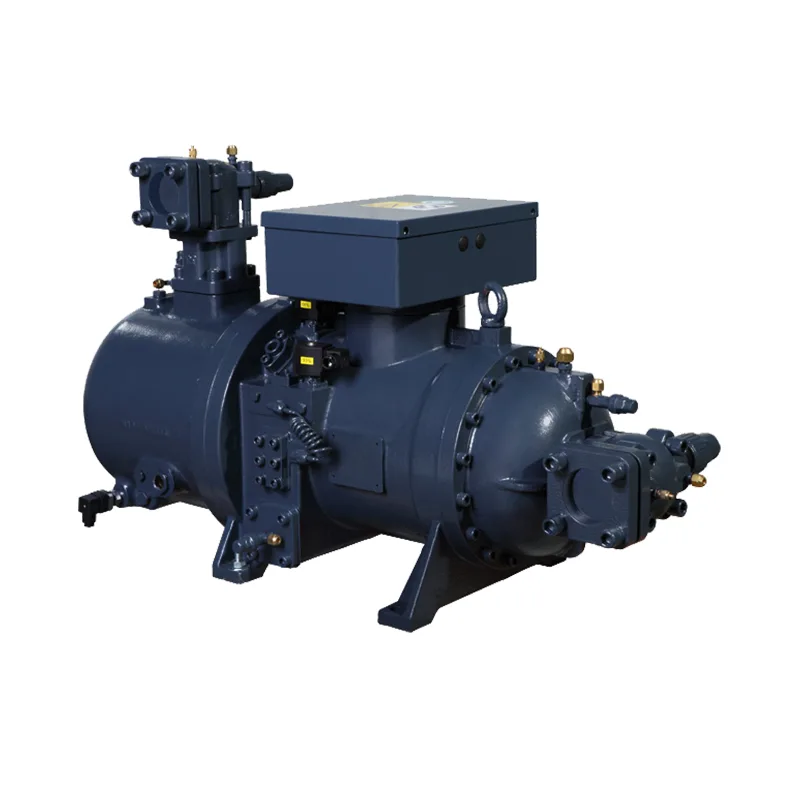
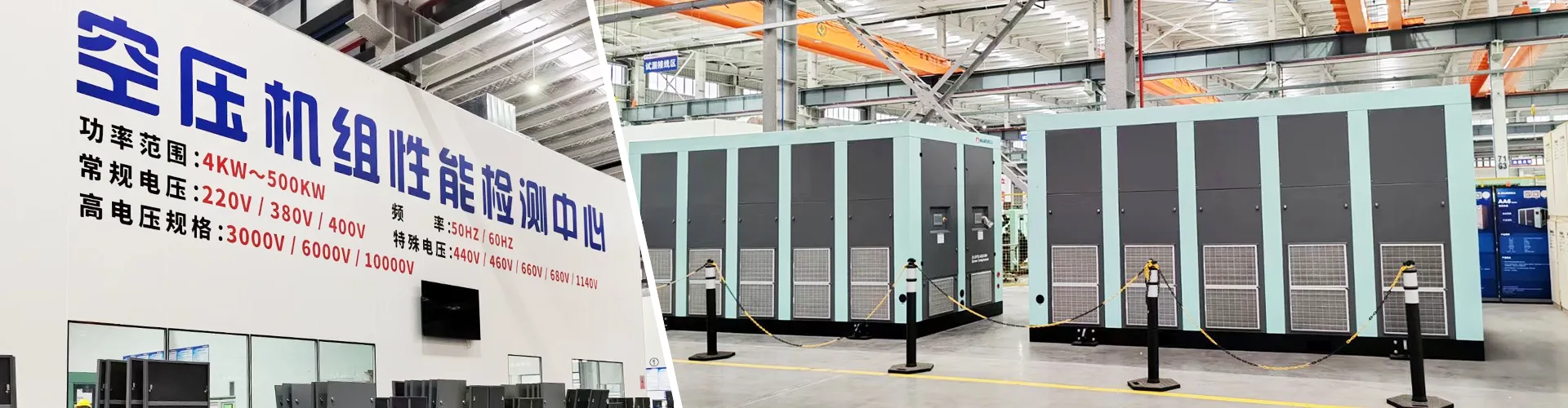
Yuzhen’s Screw Compressor is manufactured by Shanghai Hanbell. It is a professional factory specializing in the production of screw compressors and related products.
We have independently developed a variety of refrigerant screw compressors to meet different needs in industrial production. Freezing screw compressors are mainly used in cold chain logistics, fresh-keeping cold storage at 0°C to -18°C, meat refrigeration and dairy product cooling in food processing, and chemical process cooling water systems. Low-temperature screw compressors are suitable for food quick-freezing at -30°C to -45°C, vacuum freeze-drying in pharmaceuticals and food, as well as certain chemical reaction processes such as carbon dioxide liquefaction. Air-conditioning screw compressors are used in commercial building central air conditioning for shopping malls, hotels, and office buildings, as well as in regional centralized cooling and heating stations. High-temperature heat pump screw compressors replace boilers to produce hot water or steam above 85°C, which is applied in electroplating, slaughtering, textiles, and food processing, while also recovering heat from wastewater, exhaust gases, and process cooling water.
We also offer air end, including both single stage air end and two stage air end. The choice between different air end is based on the required discharge pressure and operational cost considerations. Single stage air end is economical and straightforward, making them the ideal choice for applications with conventional, non-demanding pressure requirements. In contrast, two stage air end is suitable for applications with strict requirements regarding air temperature and reliability, offering significant energy-saving benefits and a longer service life.
Hanbell screw compressor offered by Yuzhen, manufactured in China, features an independently cooled motor design that separates the motor chamber from the compression chamber. A small amount of liquid refrigerant is used to cool the motor, maintaining it within an ideal operating temperature range while extending the motor's service life. The gaseous refrigerant after cooling the motor then enters the compression chamber for supplementary gas injection, preventing cooling capacity loss caused by motor cooling and enhancing the compressor's refrigeration capacity, with particularly noticeable effects in low-temperature applications.
- View as
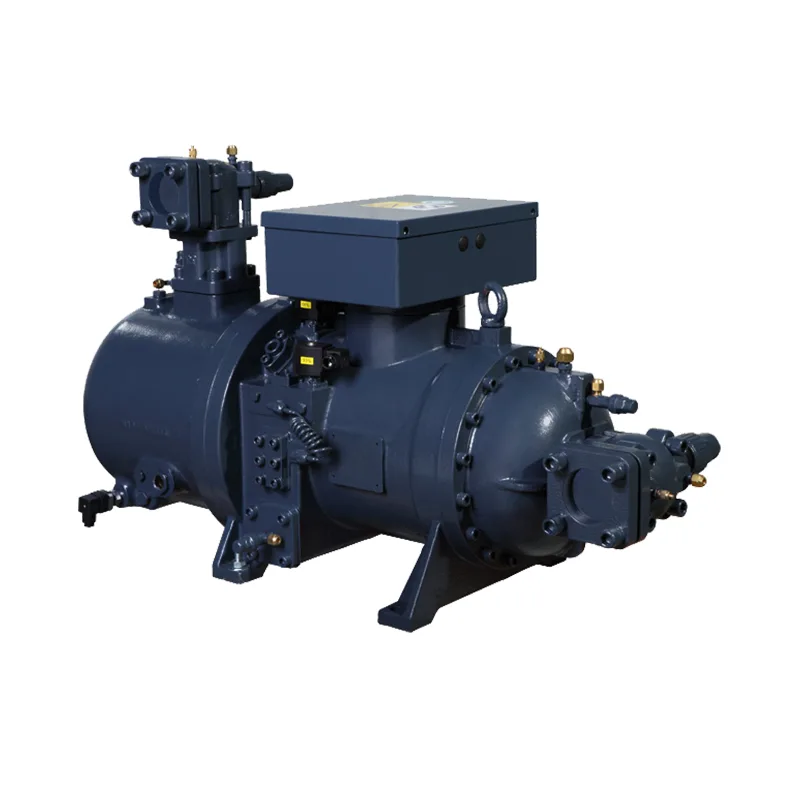
Air Conditioning Screw Compressor
The Yuzhen Air Conditioning Screw Compressor is a core component designed for high-efficiency refrigeration and air conditioning systems. The RC2 series offers a diverse range of models from 14 to 40, providing high-displacement and high-efficiency versions based on the basic models, meeting the needs of various commercial and industrial applications.
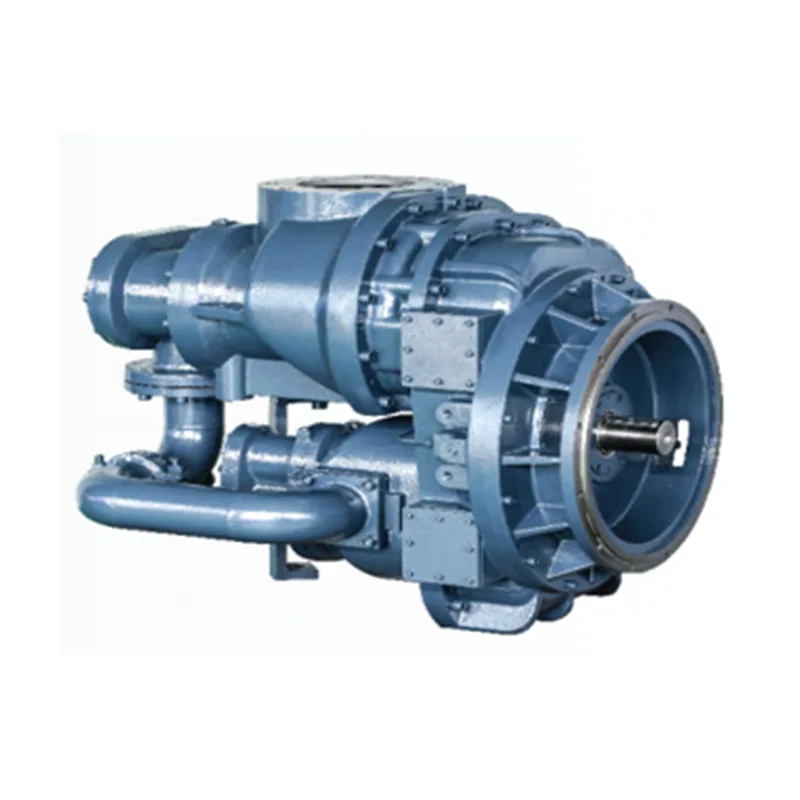
Two stage Air End
HANBELL supplies Yuzhen, a world-leading manufacturer of core components for Two stage Air End equipment. HANBELL specializes in the research, development, and production of high-performance air compressor heads, providing efficient and reliable power cores for various industries through precise manufacturing processes and continuous technological innovation.
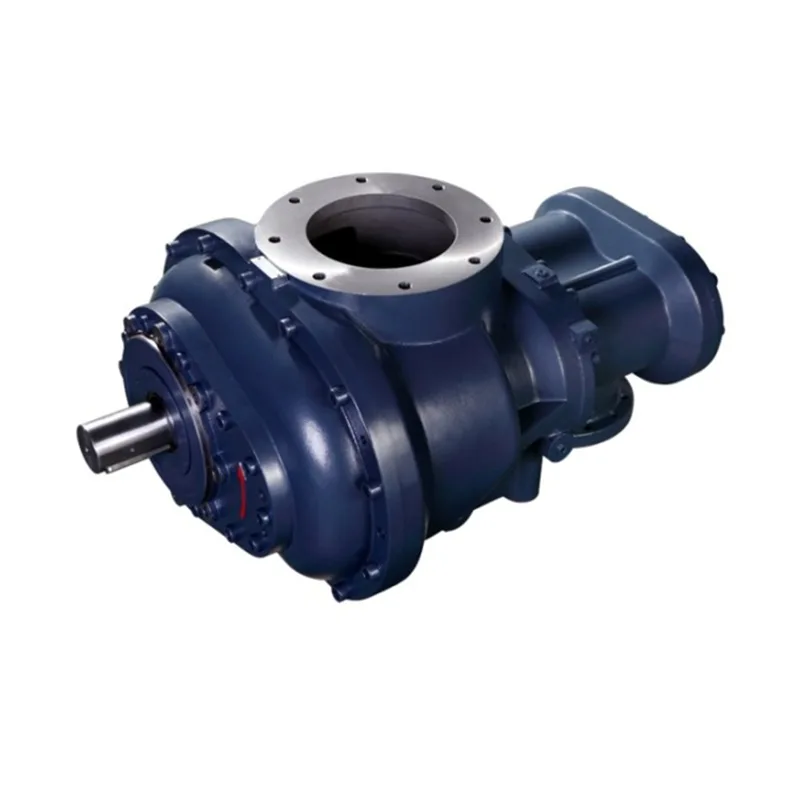
Single stage Air End
The Yuzhen Single Stage Air End is designed for high efficiency, durability, and reliable performance in industrial screw compressors. Produced with advanced precision processing machines and tested rigorously, it ensures stable operation under a range of working conditions. These air ends are widely used in both refrigerant and air compression fields, forming the core of Hanbell screw compressors known for their superior performance and long-term reliability.
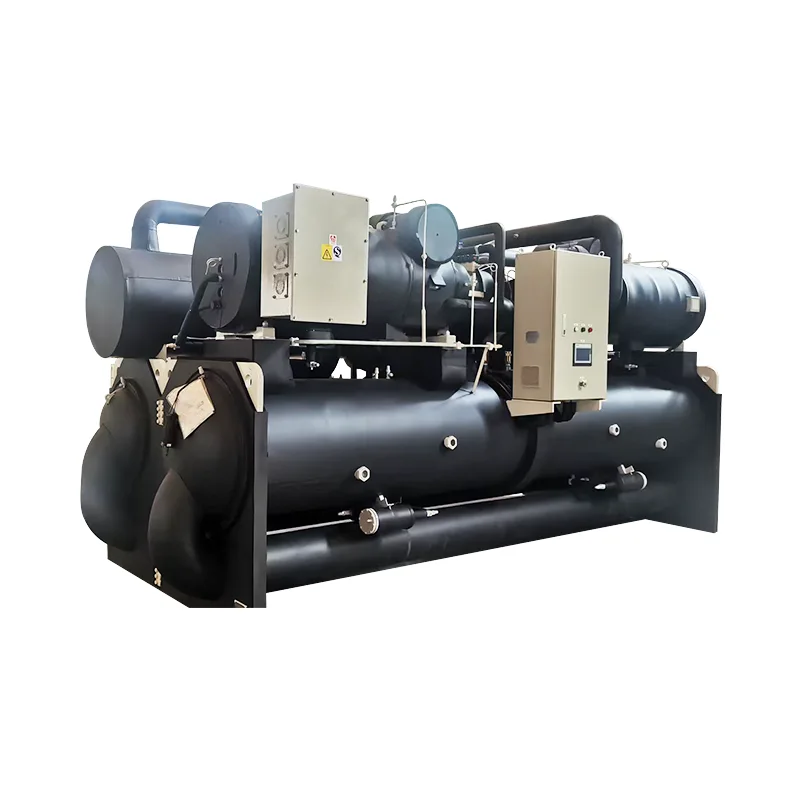
High Temperature Heat Pump Screw Compressor
China Yuzhen's High Temperature Heat Pump Screw Compressor is specifically designed for high-temperature environments. It boasts high cooling and heating efficiency even under extreme temperatures, making it particularly suitable for water source heat pumps. Even at water outlet temperatures as high as 90°C, it operates stably and reliably without any issues.
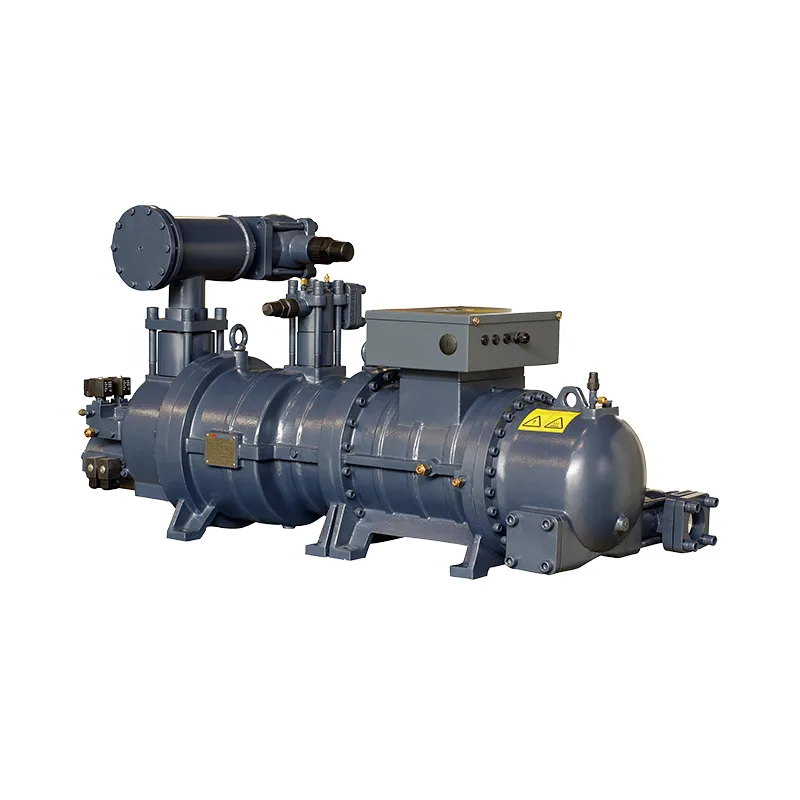
Low Temperature Screw Compressor
The Low Temperature Screw Compressor is a high-performance equipment under the Yuzhen brand, specifically designed for refrigeration applications in low-temperature environments. Whether in cold storage, freezing, or industrial refrigeration systems, the LBI1-PLUS series compressors offer excellent performance and reliability. Through innovative design and precise control, they ensure efficient and stable operation even under low-temperature conditions.
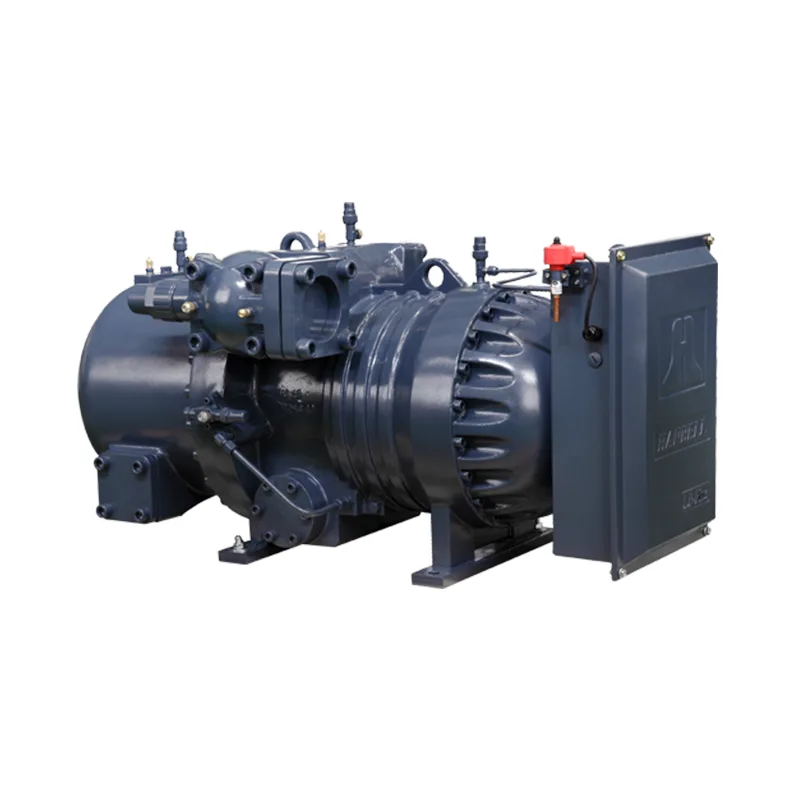
Freezing Screw Compressor
The Yuzhen Freezing Screw Compressor is a screw compressor specifically designed for low-temperature and freezing environments, commonly found in cold storage, frozen food processing, and cold chain warehousing systems.
Yuzhen is a professional Screw Compressor manufacturer and supplier in China. You can wholesale high quality products from our factory. Welcome to place an order.