How Can an Oil-Free Air Compressor Solve Industrial and Technical Air Challenges?
Article Summary
An oil-free air compressor is engineered to deliver compressed air without any oil contamination in the compression chamber, making it indispensable for industrial, medical, and technical settings where air purity is essential. This article explores how oil-free compressors operate, key performance considerations, comparison with traditional lubricated units, typical application scenarios, and core selection criteria. Professionals seeking reliable compressed air without oil carryover will gain actionable insights into why and how oil-free air compressors address customer pain points across industries.
Table of Contents
Overview of Oil-Free Air Compressors
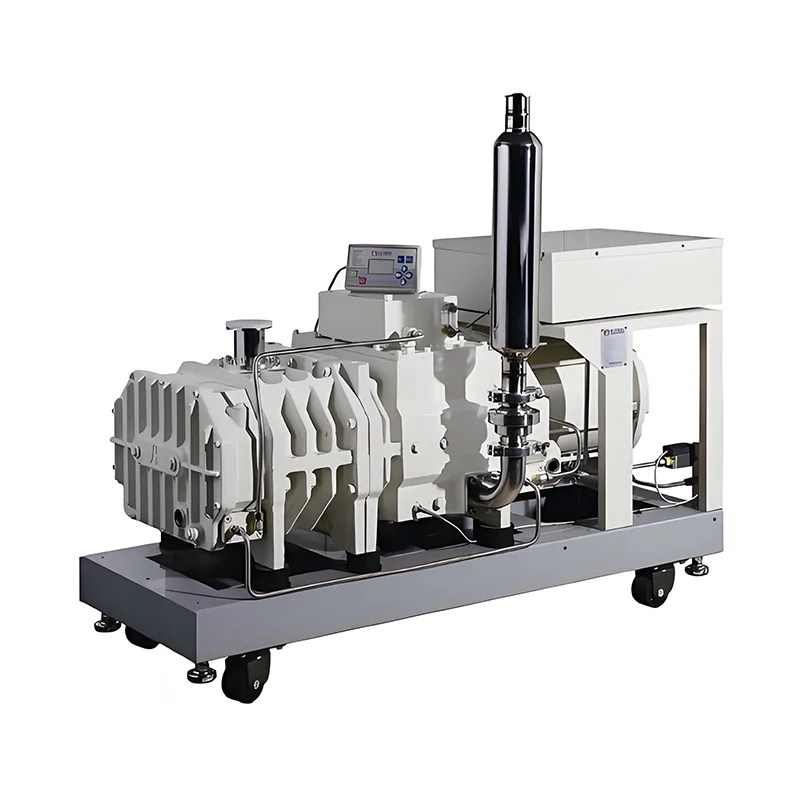
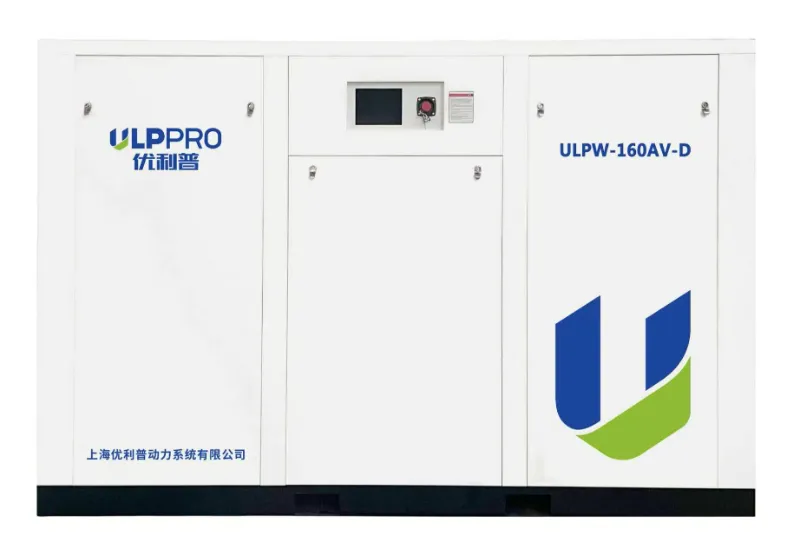
An oil-free air compressor is a type of compressed air system that operates without oil in the compression chamber, relying on alternative materials and designs to reduce friction and wear. This construction ensures that the compressed air remains completely free from oil contamination, which is critical for applications where product quality and safety depend on air purity. These machines are designed with advanced materials such as self-lubricating coatings or composite surfaces to maintain mechanical performance without introducing hydrocarbon residues into the air supply. Oil-free compressors serve sectors where even minute traces of oil can compromise results or compliance requirements.
How Oil-Free Air Compressors Work
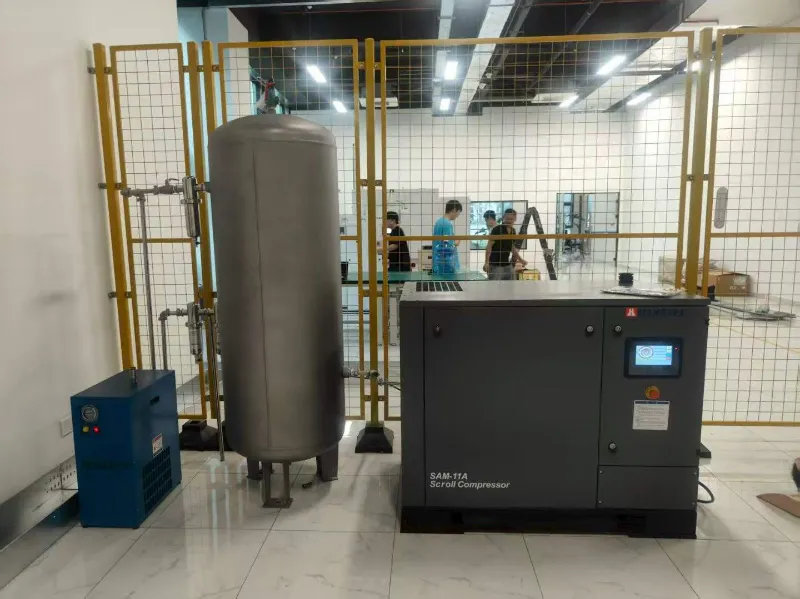
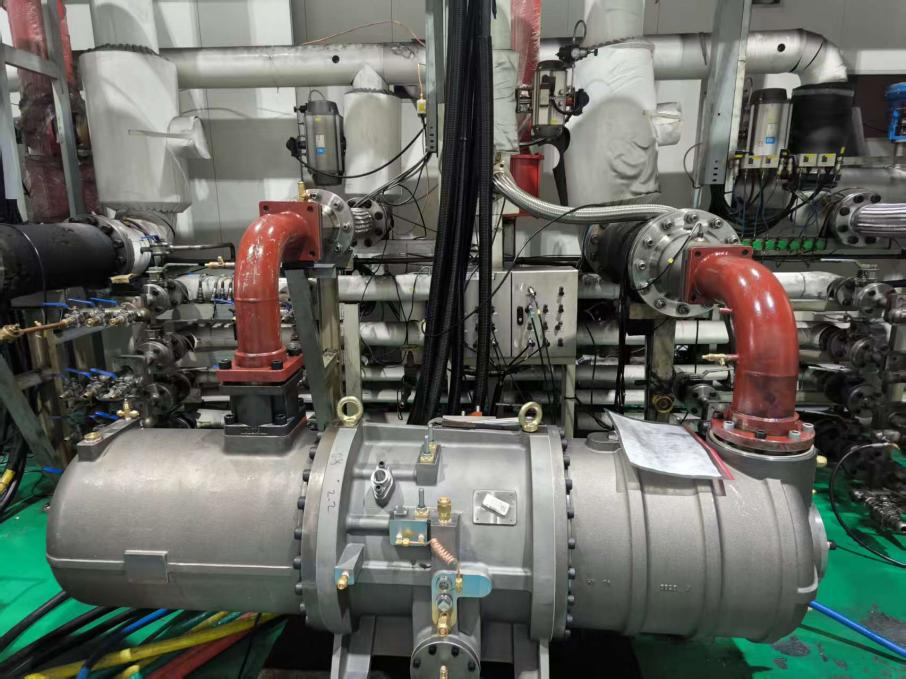
Oil-free compressors utilize mechanical designs that eliminate the need for oil within the compression chamber. Instead of traditional lubrication methods, these systems employ engineered coatings such as Teflon or specialized self-lubricating materials to minimize friction between moving surfaces and maintain reliable operation. A typical compression cycle involves drawing in ambient air through a filtration stage, compressing it using piston, rotary screw, or scroll mechanisms, cooling the compressed air, and then delivering it for use. Because no oil circulates in the compression chamber, the air remains free of oil aerosols or vapors throughout the process — a requirement for air quality standards in sensitive industries.
Key steps in the compression process include:
- Air intake through a filtration system to remove particulates.
- Compression using specialized elements with low-friction materials.
- Cooling to manage temperature rise during compression.
- Air delivery into storage or downstream systems without any oil contamination.
These steps are designed so that the compressor itself maintains mechanical performance without compromising air purity. The result is a stream of compressed air suitable for quality-critical operations.
Comparison with Oil-Lubricated Compressors
To understand when an oil-free solution is appropriate, it is helpful to consider the primary differences between oil-free and oil-lubricated compressors:
| Feature | Oil-Free Air Compressor | Oil-Lubricated Air Compressor |
|---|---|---|
| Air Purity | 100% free of oil contamination | May contain trace oil vapors post-filtration |
| Maintenance | Lower maintenance, no oil changes | Requires regular oil changes and filters |
| Operating Environments | Suitable for medical, food, electronics | Suitable for general industrial use |
| Initial Cost | Typically higher | Lower upfront cost |
This comparison illustrates why oil-free compressors are favored when air quality cannot be compromised, such as in pharmaceutical or food processing settings, while oil-lubricated units serve general-purpose industrial environments.
Typical Industrial and Technical Applications
Oil-free air compressors are widely used across industries where compressed air must meet stringent quality standards or where contamination risks carry significant consequences. Typical applications include:
- Medical and dental equipment where sterile, oil-free air is required.
- Food and beverage production lines where product contact with compressed air must exclude oil residues.
- Pharmaceutical manufacturing processes that depend on highly pure air streams.
- Electronics and semiconductors where even minimal contamination can affect product performance.
- Painting and coating operations requiring smooth, contamination-free surface finishes.
In these environments, the absence of oil in the air supply mitigates risks associated with product defects, compliance violations, or costly recalls.
Key Selection Criteria
Choosing the right oil-free air compressor requires assessment of several operational factors. These include:
- Air Quality Requirements: Determine the required purity level based on industry standards and product sensitivity.
- Pressure and Flow Needs: Match compressor capacity to the application’s pressure and flow demands to ensure efficient performance.
- Maintenance Capabilities: Evaluate required maintenance intervals and available technical support.
- Operating Environment: Consider ambient conditions, such as temperature and humidity, which may affect compressor performance.
- Duty Cycle: Assess whether the compressor must support continuous or intermittent operation.
Answering these criteria helps ensure the selected solution aligns with long-term operational goals and service expectations.
Frequently Asked Questions
Q: What makes an air compressor truly oil-free?
A: A compressor earns the oil-free designation by entirely eliminating oil from the compression chamber, often using self-lubricating materials or engineered coatings to manage friction without hydrocarbon lubrication.
Q: Are oil-free compressors suitable for all industries?
A: While oil-free compressors excel in environments with high purity requirements, they may not be cost-effective for general industrial use where air quality is less critical than operational efficiency.
Q: What maintenance practices are essential for oil-free compressors?
A: Routine maintenance typically includes filter inspection, moisture drainage, and ensuring cooling systems remain effective. Although they require fewer interventions than oil-lubricated units, scheduled upkeep preserves performance and prolongs service life.
Conclusion and Contact Information
Oil-free air compressors play a vital role in applications where air quality directly impacts product safety, compliance, and operational outcomes. Their ability to deliver compressed air without oil contamination, combined with lower maintenance requirements and suitability for sensitive environments, positions them as a strategic choice for industries such as healthcare, food processing, and precision manufacturing. Yuzhen offers a portfolio of advanced oil-free air compressor solutions engineered to meet diverse application needs while delivering reliable performance and operational consistency.
For details on product specifications, system integration, and customized application support, we invite you to contact us to discuss how our oil-free air compressors can meet your performance and quality requirements.
Related News
- How Air Conditioning Screw Compressor Technology Supports Low-Carbon Cooling
- Why Does Compressed Air Demand Fluctuation Affect Compressor Selection?
- Variable Frequency Screw Air Compressor: How Energy-Saving Technology Is Changing Industrial Compressed Air Systems
- Why Two stage Compression Variable Frequency Screw Air Compressors Are Changing the Game
- Optimizing Industrial Efficiency: The Easy-Maintainable Two-Stage Permanent Magnet Variable Frequency Air Compressor
- The "Dual-Core" Era of Compressed Air: Why Two-Stage PM VFD Compressors Are Becoming the Energy-Saving Gold Standard
Leave me a message