Vacuum Tank
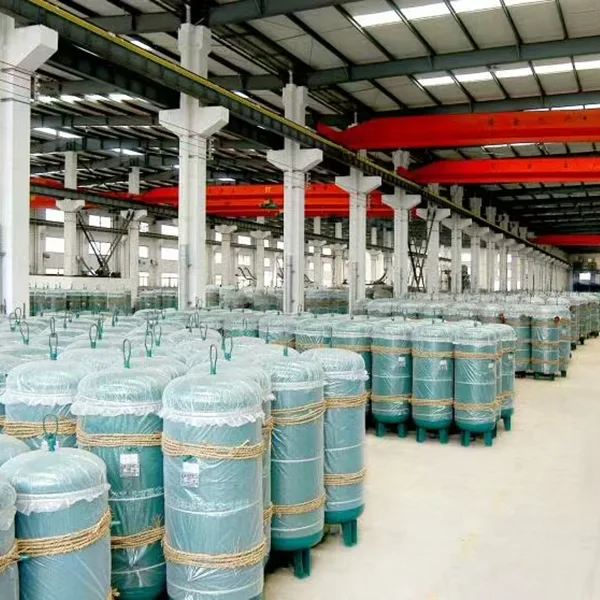
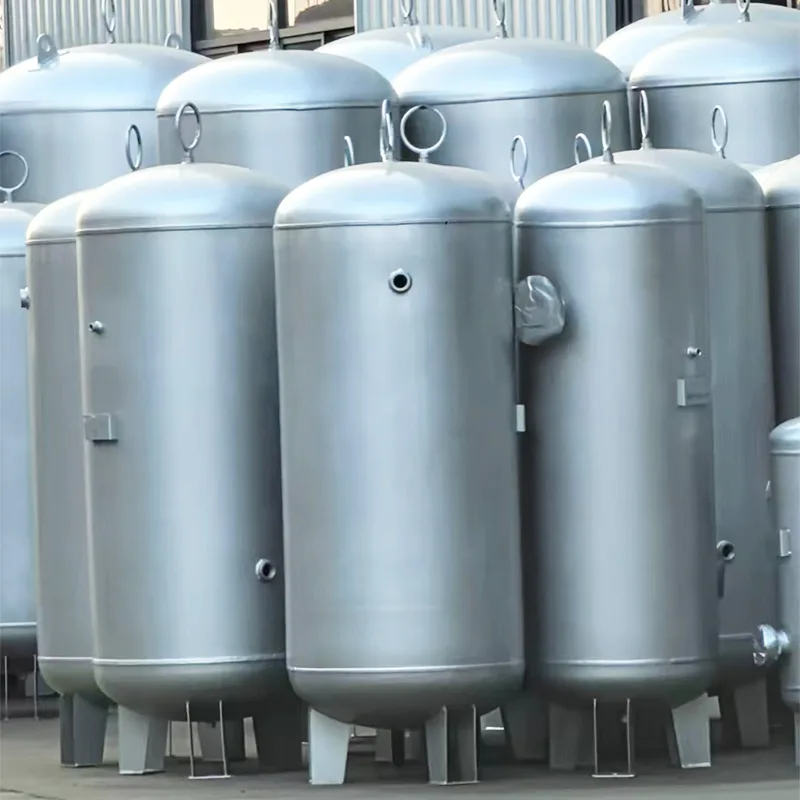
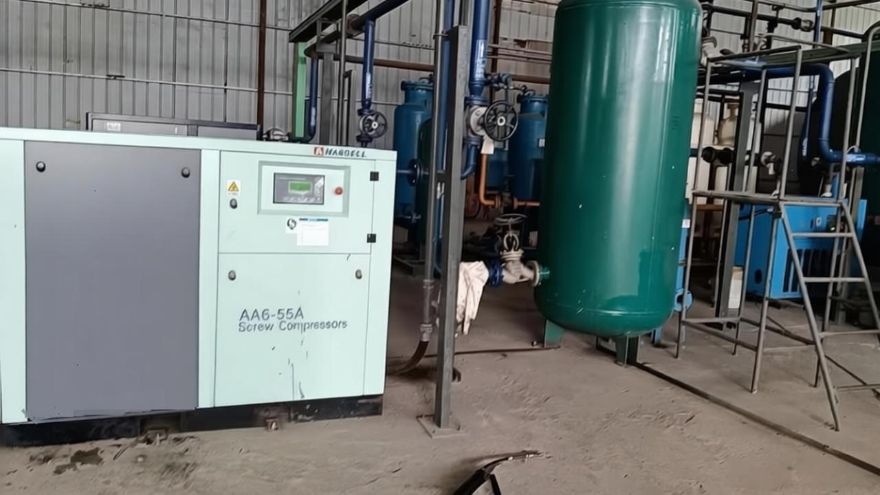
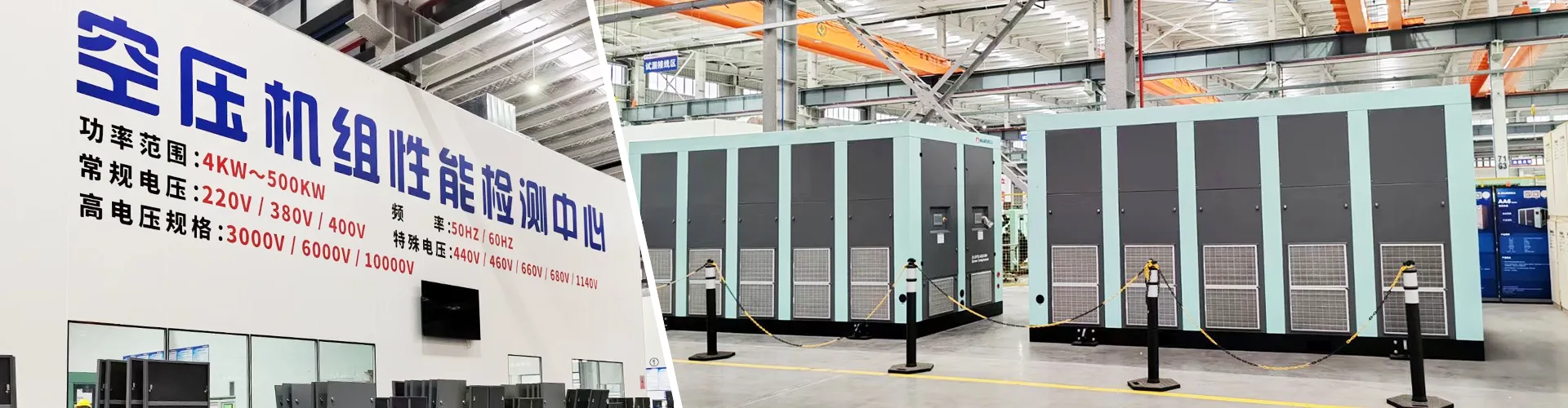
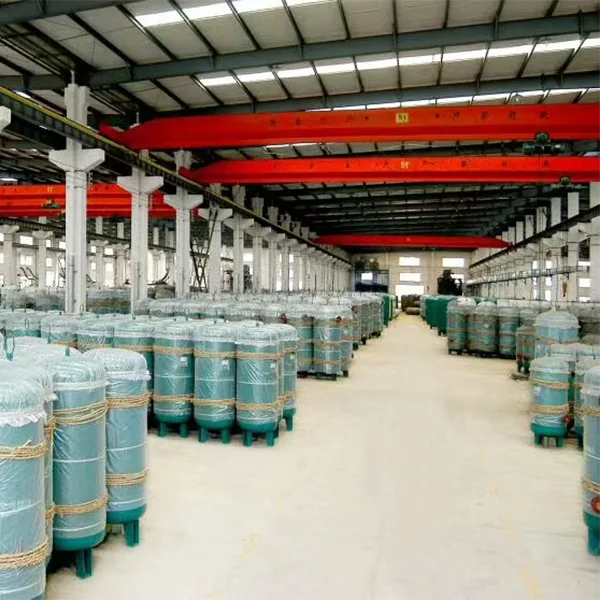
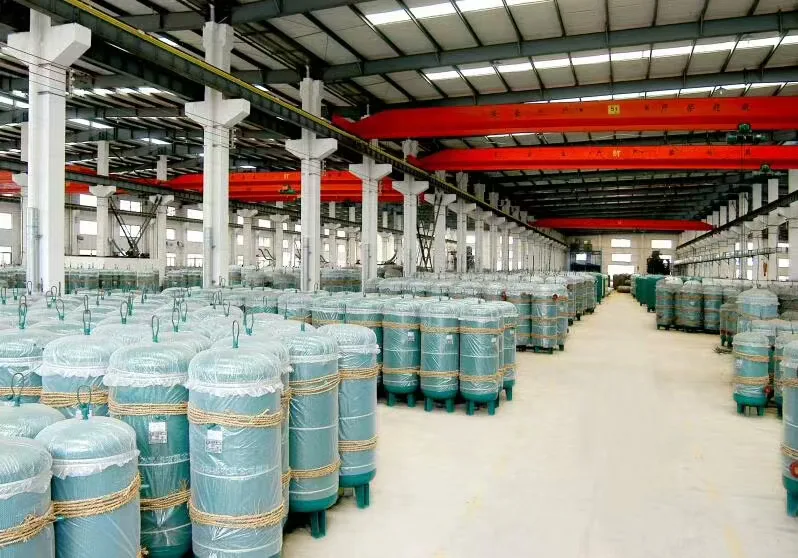
Vacuum Tank is designed and manufactured in accordance with the D1 and D2 class (1 and 11 categories) pressure vessels approved by the Shanghai Quality and Technical Supervision Bureau. It can produce series of gas storage tanks ranging from 0.1 cubic meters to 100 cubic meters, totaling over 200 different specifications. In addition, it undertakes the design and manufacture of other various D1 and D2 class (I and 11 categories) pressure vessels according to user requirements (based on drawings or samples). Through years of efforts, it has achieved product standardization, production scale expansion, inspection standardization, and has initially completed the upgrading of production processing automation and management procedures, laying a solid foundation for the company's sustainable development.
We have won the recognition of a wide range of users with its first-class product quality and first-class pre-sales and after-sales services, achieving the top positions in several aspects such as gas tank sales volume and market share in the industry. It has always been known in users for its reliable quality, timely delivery, and reasonable prices.
A Vacuum Tank is a sealed container designed to maintain an internal pressure lower than atmospheric pressure (i.e., a vacuum state). Its primary function is to create, sustain, or utilize a vacuum environment, with wide applications in industry, scientific research, healthcare, food processing, electronics manufacturing, and more.
Key Features and Applications:
1.Vacuum Creation and Isolation
● Removes gases via equipment like vacuum pumps to reduce air molecule density, forming a low-pressure environment.
● Used to prevent oxidation, inhibit chemical reactions, or reduce heat transfer (e.g., vacuum packaging, heat treatment).
2.Storage and Transportation
● Stores air-sensitive materials (e.g., chemicals, precision electronic components) to avoid deterioration or corrosion caused by moisture or oxygen.
● Protects silicon wafers from contamination in the semiconductor industry.
3.Experimentation and Testing
● Simulates space conditions for testing aerospace components or studies low-pressure phenomena in physics experiments.
● Applied in medical equipment sterilization (e.g., vacuum sterilizers) or laboratory freeze-drying.
4.Structural Design
● Typically constructed from high-strength materials like stainless steel or aluminum alloys to ensure airtightness and pressure resistance.
● Equipped with viewing windows, sensor ports, valves, etc., for pressure monitoring and connection to vacuum systems.
5.Safety Considerations
● Requires pressure resistance and explosion-proof design to prevent tank collapse from external atmospheric pressure; regular leak detection is essential to maintain integrity.
Hot Tags: Vacuum Tank Manufacturer, Industrial Vacuum Tank Supplier, Custom Vacuum Tank Design
Related Category
Send Inquiry
Contact Info
-
Address
567 Songwei North Road, Songjiang District, Shanghai, China
-
Tel
-
E-mail
For inquiries about our products or pricelist, please leave your email to us and we will be in touch within 24 hours.