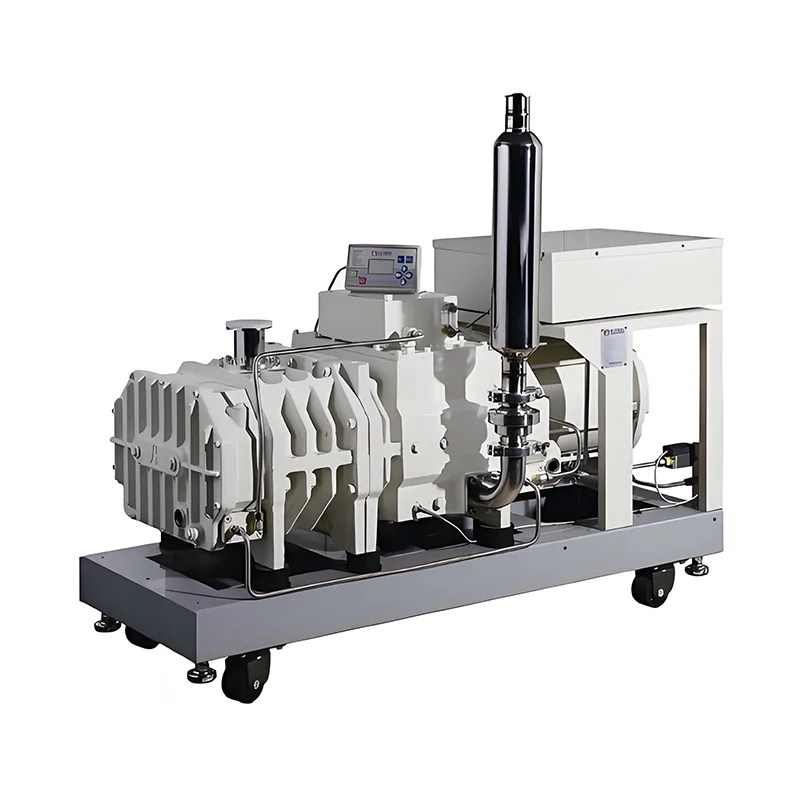
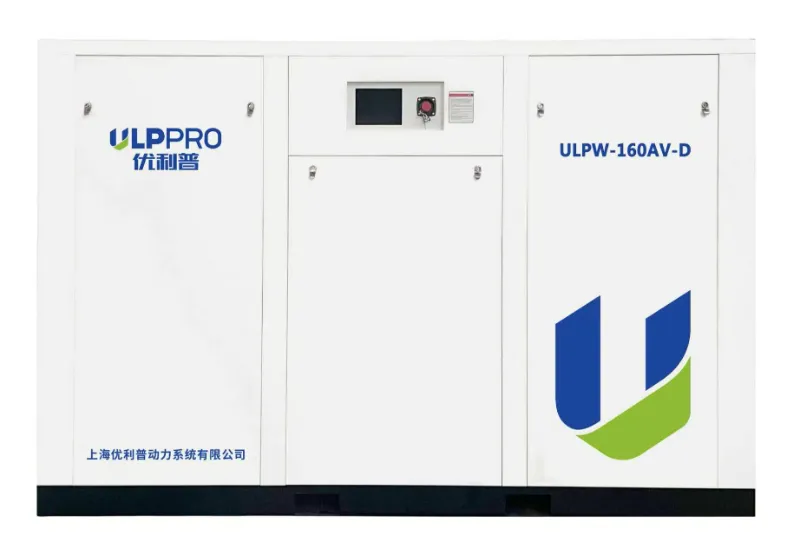
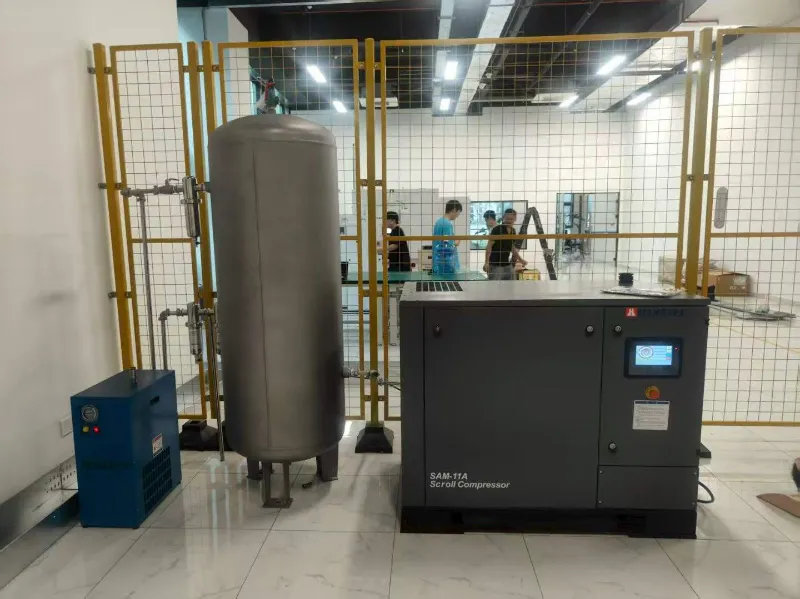
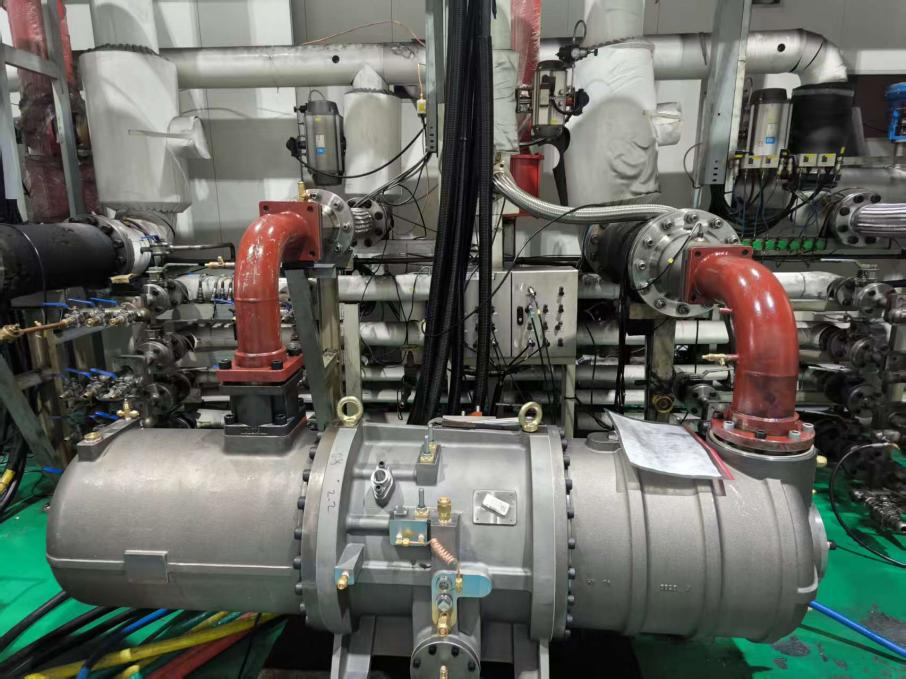
The working principle of an air compressor is actually not difficult to understand. Simply put, it uses mechanical motion to compress air, thereby generating a high-pressure airflow. Below is a summary of its core principles and common types:
I. Core Working Principle
Energy Conversion:
An electric motor drives mechanical components (such as pistons, screws, or impellers) to convert electrical energy into mechanical energy, which is then used to compress air, increasing its pressure and temperature.
Compression Process:
Reciprocating Type: The piston reciprocates within the cylinder, drawing in air and compressing it to high pressure.
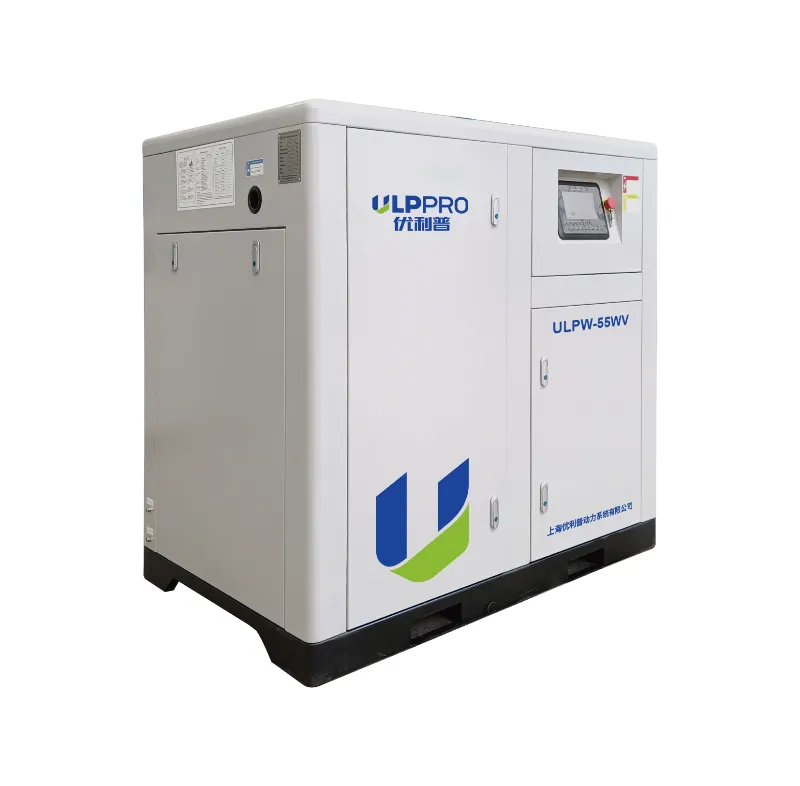
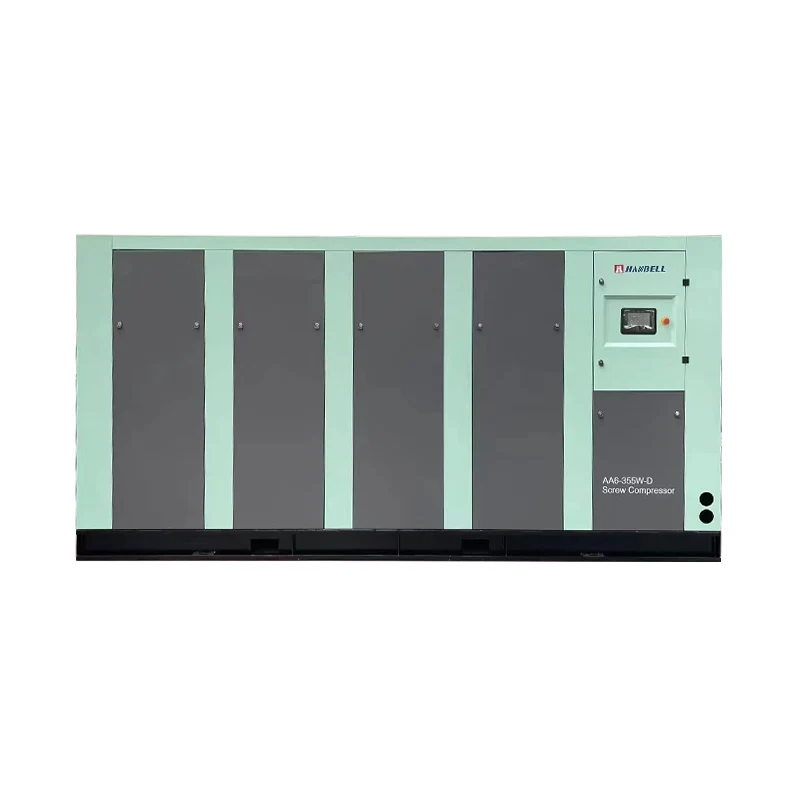
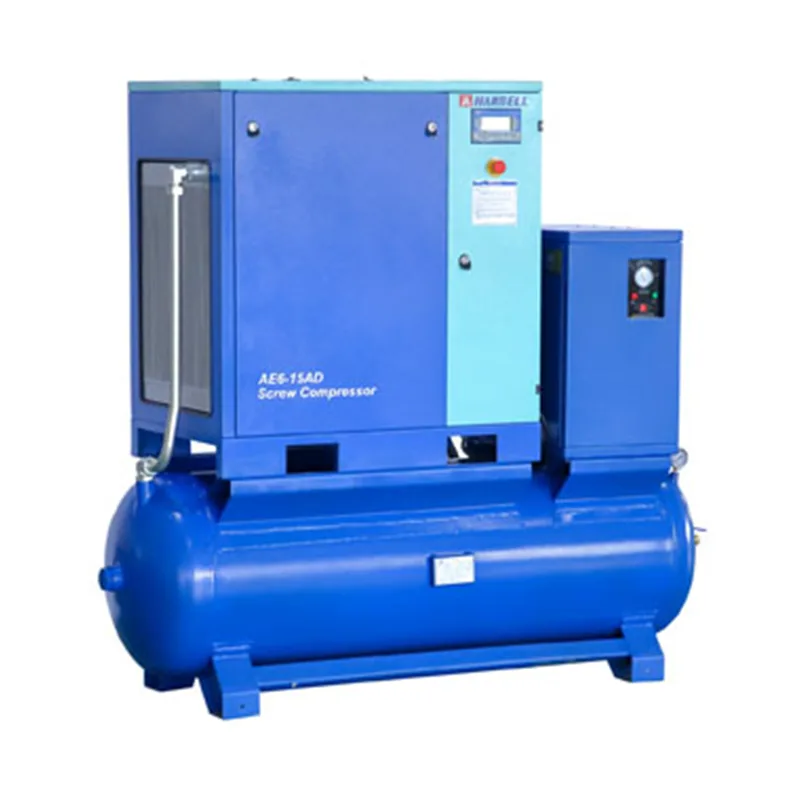
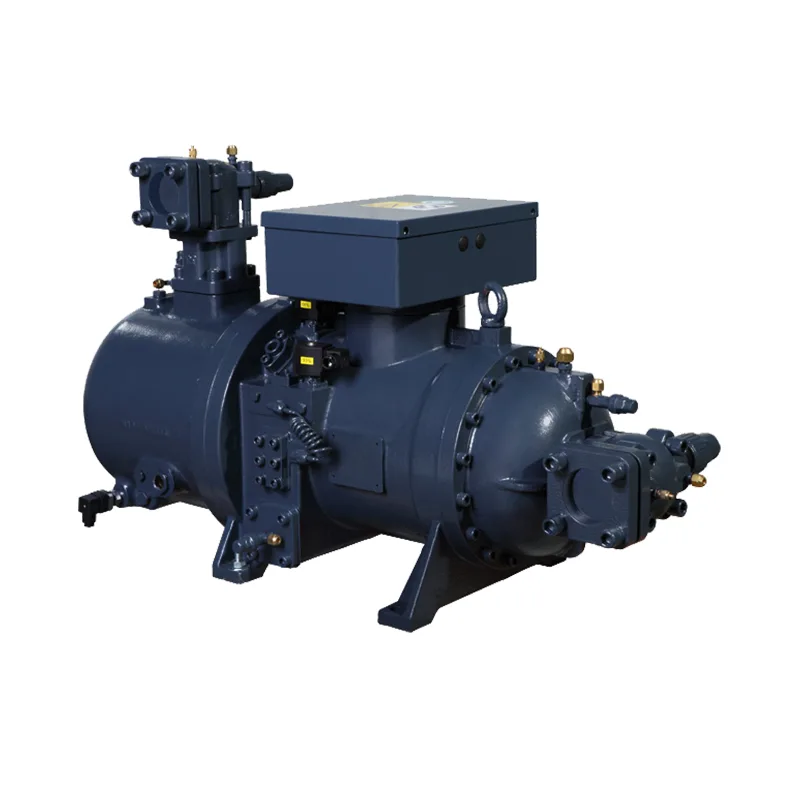
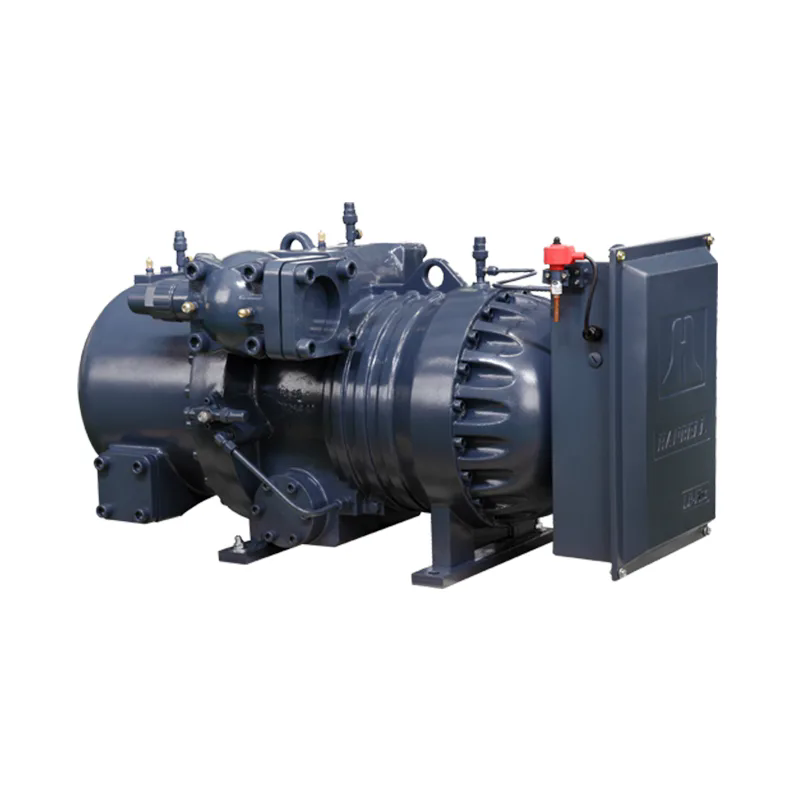
Screw Type: Two meshing screws rotate, compressing air between their teeth.
Centrifugal Type: A high-speed rotating impeller accelerates the air, converting it to high pressure through a diffuser.
Output and Cooling:
The compressed air is output through pipes, while a cooling system (such as a radiator or coolant) lowers the temperature to prevent overheating.
II. Comparison of Common Types
Reciprocating Type:
Working Principle: Piston reciprocates to compress air.
Application Scenarios: Low pressure, small equipment.
Advantages and Disadvantages: Simple structure, but relatively noisy.
Screw Type:
Working Principle: Screw rotates to compress air.
Application Scenarios: Medium to high pressure, industrial applications.
Advantages and Disadvantages: Smooth operation, low noise.
Centrifugal Type:
Working Principle: Impeller rotates at high speed to compress air.
Application Scenarios: High flow rate, high pressure requirements.
Advantages and Disadvantages: High efficiency, but higher cost.
Diaphragm Type:
Working Principle: Diaphragm isolates compressed air from lubrication components.
Application Scenarios: High purity air requirements.
Advantages and Disadvantages: No oil pollution, but lower flow rate.
III. Key Parameter Description
Pressure: Output air pressure (e.g., 0.7MPa, 1.0MPa).
Flow Rate: Air volume output per unit time (e.g., 10m³/min).
Power: Motor power driving the compressor (e.g., 5.5kW, 15kW). Energy Efficiency Ratio (EER): The ratio of output power to input power; the higher the EER, the more energy-efficient.
IV. Typical Application Scenarios
Industrial: Screw air compressors are used in production line pneumatic tools and pneumatic control systems.
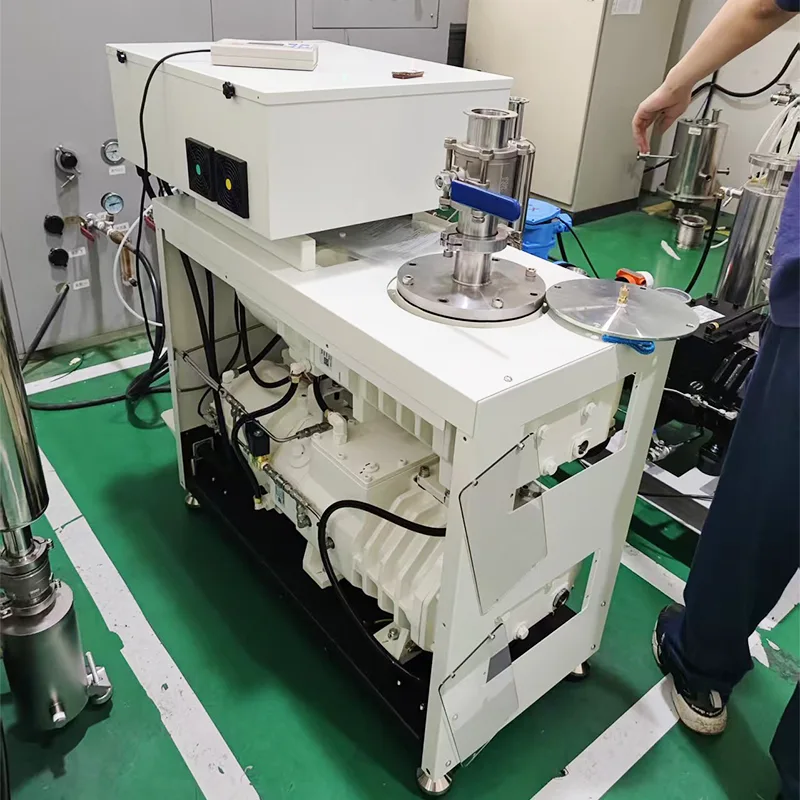
Medical: Diaphragm air compressors provide oil-free, high-purity air for use in ventilators and dental equipment.
Household: Oil-free air compressors are used for car inflation and small-scale painting.
We use cookies to offer you a better browsing experience, analyze site traffic and personalize content. By using this site, you agree to our use of cookies. Privacy Policy